THE ADVENTURE COLLECTIVE® · Independent discovery and booking for outdoor travel

Traverse Ecuador from Quito’s highland plazas to the Pacific coast in 12 days. This itinerary combines volcanic landscapes, indigenous markets, historic Inca ruins, and accessible highland hikes—ideal for travelers seeking geological range and cultural depth.
Traverse Ecuador from Quito’s highland plazas to the Pacific coast in 12 days. This itinerary combines volcanic landscapes, indigenous markets, historic Inca ruins, and accessible highland hikes—ideal for travelers seeking geological range and cultural depth.
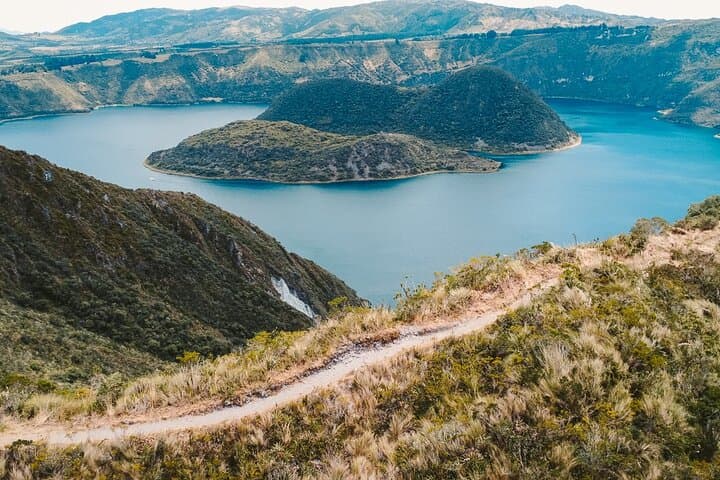
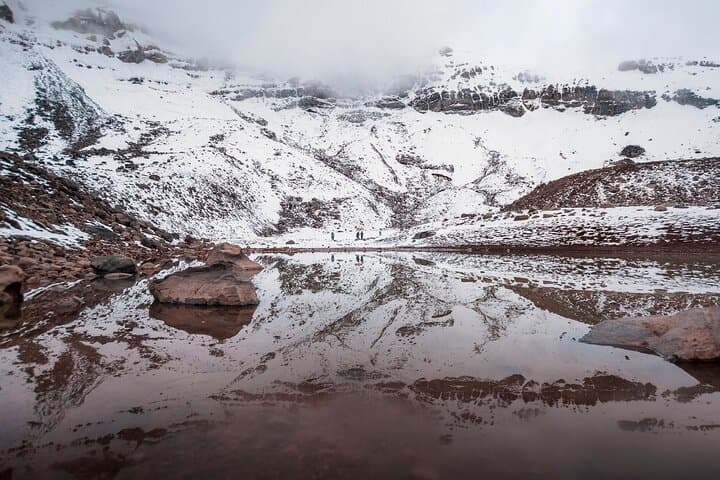
Dawn breaks over Quito and the city exhales cool Andean air as a bus threads the Pan-American Highway toward snow-capped volcanoes and emerald lagoons. Travelers step from asphalt into highland páramo where winds seem to push you forward and crater lakes hold the sky like a mirror.
Verified experiences and guided adventures in the surrounding area.
Operated by Ecuador Galapagos Travels · Quito, Pichincha
Dawn breaks over Quito and the city exhales cool Andean air as a bus threads the Pan-American Highway toward snow-capped volcanoes and emerald lagoons. Travelers step from asphalt into highland páramo where winds seem to push you forward and crater lakes hold the sky like a mirror.
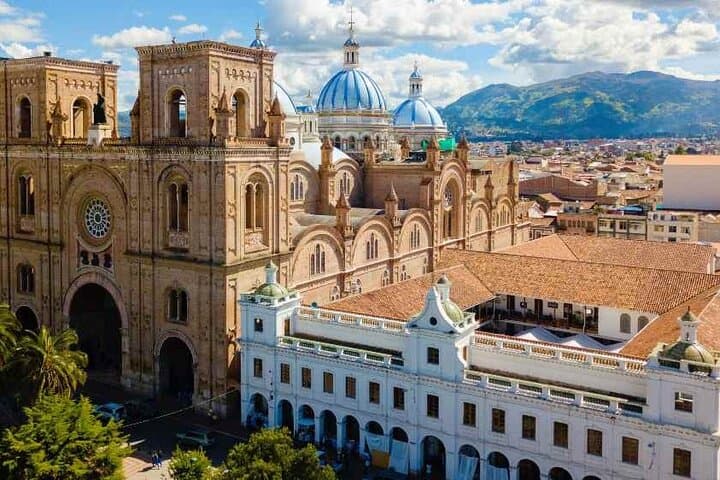
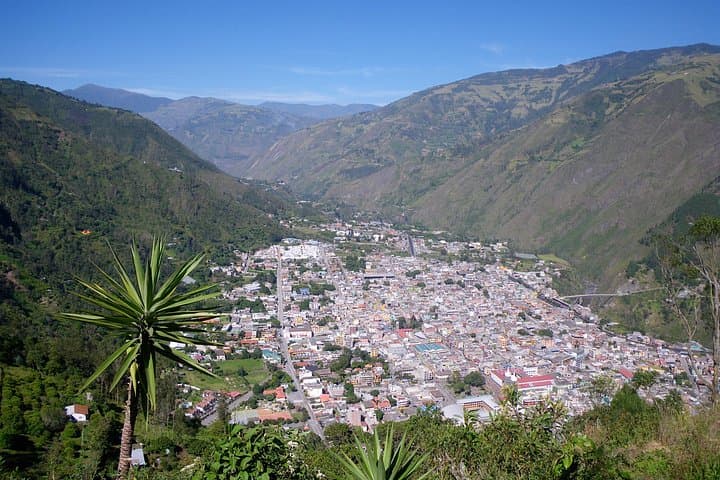
This 12-day route traces Ecuador’s geological diversity: active and extinct volcanoes (Cotopaxi, Chimborazo), volcanic calderas like Quilotoa, highland wetlands in Cajas, and the humid approaches to Baños and the eastern slopes. Culturally the itinerary threads indigenous markets—Otavalo, Guamote—and Inca-era sites such as Ingapirca, where pre-Columbian masonry meets colonial townscapes in Cuenca and Guayaquil.
Expect contrasting terrains: cobbled colonial streets and steep city viewpoints, gritty market alleys, high-elevation trails across moorland with tussock grasses, and short rainforest treks to waterfalls. Wildlife is present but often shy; Condors wheel over volcano rims while Andean foxes and waterfowl favor wetlands.
Practical guidance: allow acclimatization days (Quito, balance strenuous days like Chimborazo), carry layered clothing for 2,800–4,800 m elevations, and plan comfortable walking shoes for 30–90 minute hikes that include uneven stone or muddy trails. Hydrate proactively at altitude and pack sunscreen—the Andean sun is unfiltered. Mornings bring the cold and clearer views; afternoons can cloud in the highlands. Local guides provide cultural context and logistics; respect market customs and time your purchases.
Overall this is a multi-faceted trip for travelers seeking geological variety, cultural insight, and active but accessible walks—an Andean arc that closes on the tropical port city of Guayaquil.
moderate.
12 days.
Moderate cardiovascular fitness recommended; be prepared for short steep walks and one high-altitude day reaching ~4,800–5,000 m
No technical mountaineering skills are required; the program includes accessible hikes and visits to high-altitude refuges rather than technical ascents.
Gradual ascent, hydration, avoiding alcohol, and light activity the first 48 hours help; consult your doctor about medications if you have prior altitude issues.
The tour includes 11 nights’ lodging and many breakfasts plus some lunches; specific meals are listed in the itinerary details.
Bring small bills, a reusable tote, and room in luggage for textiles or leather goods purchased at Otavalo and Cotacachi.
The route intersects long-established indigenous trade routes and Inca engineering—Ingapirca sits on the historic Camino Inca that linked highland communities.
Many stops are inside protected areas (Cotopaxi, Sangay, Cajas); follow park rules, stick to trails, and avoid feeding wildlife to reduce impacts.
Ecuador Galapagos Travels operates guided outdoor trips and adventures with an emphasis on safety, stewardship, and memorable experiences.
Dawn breaks over Quito and the city exhales cool Andean air as a bus threads the Pan-American Highway toward snow-capped volcanoes and emerald lagoons. Travelers step from asphalt into highland páramo where winds seem to push you forward and crater lakes hold the sky like a mirror.
Dawn breaks over Quito and the city exhales cool Andean air as a bus threads the Pan-American Highway toward snow-capped volcanoes and emerald lagoons. Travelers step from asphalt into highland páramo where winds seem to push you forward and crater lakes hold the sky like a mirror.
This 12-day route traces Ecuador’s geological diversity: active and extinct volcanoes (Cotopaxi, Chimborazo), volcanic calderas like Quilotoa, highland wetlands in Cajas, and the humid approaches to Baños and the eastern slopes. Culturally the itinerary threads indigenous markets—Otavalo, Guamote—and Inca-era sites such as Ingapirca, where pre-Columbian masonry meets colonial townscapes in Cuenca and Guayaquil.
Expect contrasting terrains: cobbled colonial streets and steep city viewpoints, gritty market alleys, high-elevation trails across moorland with tussock grasses, and short rainforest treks to waterfalls. Wildlife is present but often shy; Condors wheel over volcano rims while Andean foxes and waterfowl favor wetlands.
Practical guidance: allow acclimatization days (Quito, balance strenuous days like Chimborazo), carry layered clothing for 2,800–4,800 m elevations, and plan comfortable walking shoes for 30–90 minute hikes that include uneven stone or muddy trails. Hydrate proactively at altitude and pack sunscreen—the Andean sun is unfiltered. Mornings bring the cold and clearer views; afternoons can cloud in the highlands. Local guides provide cultural context and logistics; respect market customs and time your purchases.
Overall this is a multi-faceted trip for travelers seeking geological variety, cultural insight, and active but accessible walks—an Andean arc that closes on the tropical port city of Guayaquil.