THE ADVENTURE COLLECTIVE® · Independent discovery and booking for outdoor travel

A compact 4-day circuit from Quito that pairs Andean heights with Amazon lowlands — hot springs, jungle canoe rides, parrot clay licks, tubing and waterfalls. Ideal for travelers who want a concentrated taste of Ecuador’s geological and cultural contrasts.
A compact 4-day circuit from Quito that pairs Andean heights with Amazon lowlands — hot springs, jungle canoe rides, parrot clay licks, tubing and waterfalls. Ideal for travelers who want a concentrated taste of Ecuador’s geological and cultural contrasts.
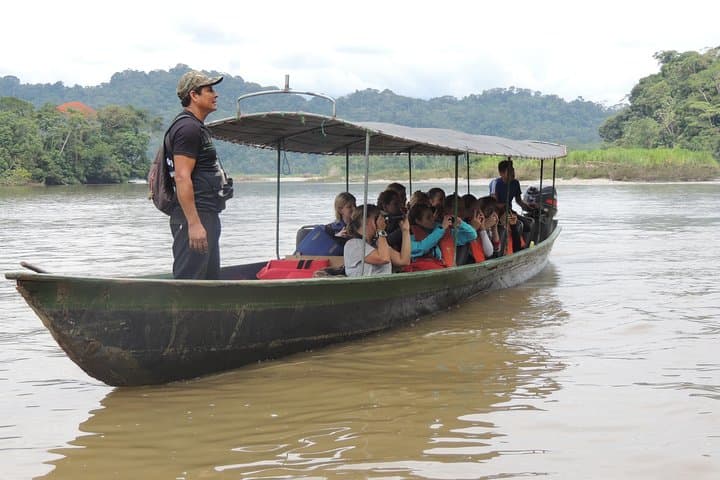
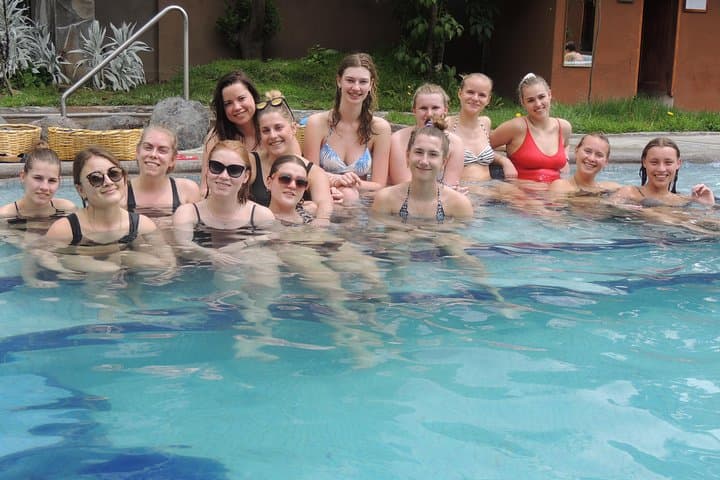
You step out of the van at dawn with the Andes behind you — a chain of serrated ridges that seem to push the clouds aside — and a long descent into humid green ahead. Steam rises from Papallacta’s hot springs at 3,300 m; minutes later the air thickens with insect-song as the Arajuno River takes you past stilted houses and towering ceiba trees. This is a trip of contrasts: highland paramo, cloud forest, and dense lowland rainforest folded into four active days.
Verified experiences and guided adventures in the surrounding area.
Operated by Ecuador Best Tours · Quito, Pichincha
You step out of the van at dawn with the Andes behind you — a chain of serrated ridges that seem to push the clouds aside — and a long descent into humid green ahead. Steam rises from Papallacta’s hot springs at 3,300 m; minutes later the air thickens with insect-song as the Arajuno River takes you past stilted houses and towering ceiba trees. This is a trip of contrasts: highland paramo, cloud forest, and dense lowland rainforest folded into four active days.
Geology and history thread through the route. Cotopaxi and Tungurahua, restless stratovolcanoes, remind you that the Eastern Cordillera is young and tectonically loud; Limpiopungo Lagoon and José Rivas refuge sit at true alpine elevations where puna grass gives way to rock and ice. Culturally, you’ll meet Quichwa communities and see balsa-carving traditions around Puyo, with market stops like Salasaca connecting pre-Columbian craft to modern trade.
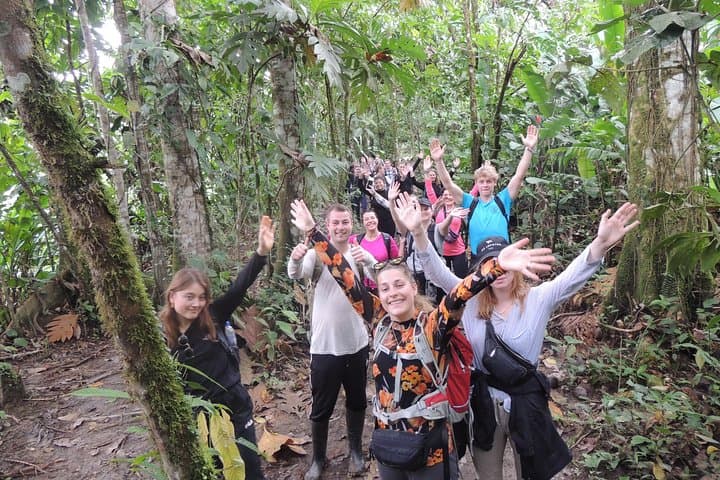
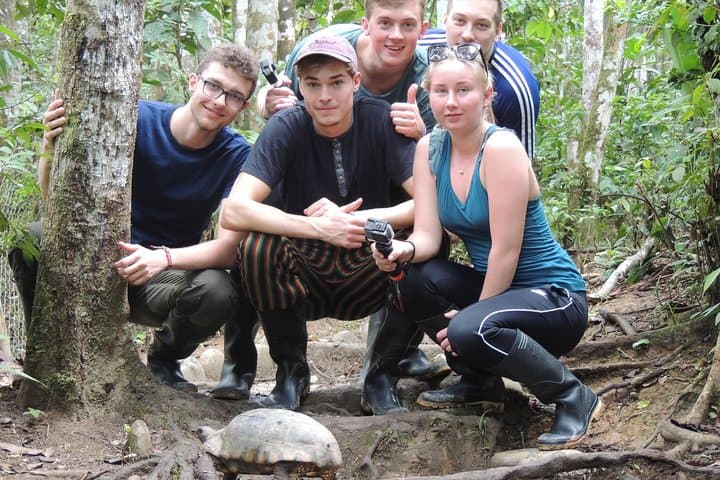
On the ground: expect motorized canoe transfers, guided jungle walks, a morning parrot clay lick viewing, tubing on gentle river stretches, and an afternoon exploring the “Avenue of the Waterfalls” near Baños with a 500 m cable car ride. Lodges provide basic comforts and communal meals; trails are wet, rootsy and intermittently steep.
Practical guidance: acclimatize in Quito if you can, drink water, pace hikes above 3,500 m, use reef-safe insect repellent and a rain shell, and bring a small daypack for river excursions. Travel with biodegradable habits — the ecosystems here respond quickly to pressure, so leave no trace and follow local guide instructions for a safer, richer trip.
moderate.
4 days.
Suitable for travelers with moderate fitness: able to walk 2–4 hours on uneven terrain and tolerate altitude shifts.
Moderate fitness: daily activity includes short hikes, canoe rides, and some uphill walking at altitude; no technical climbing required.
Yes — parts of the itinerary reach 4,500–4,800 m. Allow time to acclimatize, avoid alcohol, hydrate well, and inform guides of any symptoms.
Tubing on calm river sections is guided and generally safe; basic swimming ability is recommended and life vests are provided for water activities.
The trip includes three nights’ accommodation and meals specified in the itinerary (breakfasts, lunches, dinners as listed); special dietary requests should be communicated in advance.
This corridor links highland indigenous markets (Salasaca) and Quichwa communities with colonial-era trade routes; pre-Columbian and Inca influences remain visible in craft and land use.
Much of the route passes near protected areas (Cotopaxi National Park and reserves bordering the Napo basin); minimize impact by avoiding single-use plastics, staying on trails, and following guide instructions.
Ecuador Best Tours operates guided outdoor trips and adventures with an emphasis on safety, stewardship, and memorable experiences.
You step out of the van at dawn with the Andes behind you — a chain of serrated ridges that seem to push the clouds aside — and a long descent into humid green ahead. Steam rises from Papallacta’s hot springs at 3,300 m; minutes later the air thickens with insect-song as the Arajuno River takes you past stilted houses and towering ceiba trees. This is a trip of contrasts: highland paramo, cloud forest, and dense lowland rainforest folded into four active days.
You step out of the van at dawn with the Andes behind you — a chain of serrated ridges that seem to push the clouds aside — and a long descent into humid green ahead. Steam rises from Papallacta’s hot springs at 3,300 m; minutes later the air thickens with insect-song as the Arajuno River takes you past stilted houses and towering ceiba trees. This is a trip of contrasts: highland paramo, cloud forest, and dense lowland rainforest folded into four active days.
Geology and history thread through the route. Cotopaxi and Tungurahua, restless stratovolcanoes, remind you that the Eastern Cordillera is young and tectonically loud; Limpiopungo Lagoon and José Rivas refuge sit at true alpine elevations where puna grass gives way to rock and ice. Culturally, you’ll meet Quichwa communities and see balsa-carving traditions around Puyo, with market stops like Salasaca connecting pre-Columbian craft to modern trade.
On the ground: expect motorized canoe transfers, guided jungle walks, a morning parrot clay lick viewing, tubing on gentle river stretches, and an afternoon exploring the “Avenue of the Waterfalls” near Baños with a 500 m cable car ride. Lodges provide basic comforts and communal meals; trails are wet, rootsy and intermittently steep.
Practical guidance: acclimatize in Quito if you can, drink water, pace hikes above 3,500 m, use reef-safe insect repellent and a rain shell, and bring a small daypack for river excursions. Travel with biodegradable habits — the ecosystems here respond quickly to pressure, so leave no trace and follow local guide instructions for a safer, richer trip.