THE ADVENTURE COLLECTIVE® · Independent discovery and booking for outdoor travel

From steaming highland pools to canoeing the Napo, this four-day journey links Papallacta’s thermal springs with primary Amazon rainforest. Expect big elevation changes, guided jungle hikes, a Kichwa cultural visit and close wildlife viewing.
From steaming highland pools to canoeing the Napo, this four-day journey links Papallacta’s thermal springs with primary Amazon rainforest. Expect big elevation changes, guided jungle hikes, a Kichwa cultural visit and close wildlife viewing.
Steam rises off a mineral pool as the Andes crouch above you and the day smells of wet grass and volcanic rock. That first soak at Papallacta — perched near 3,300 m — is a cleansing pause before the world folds down through cloud forest into the green, noisy volume of the Amazon basin.
Verified experiences and guided adventures in the surrounding area.
Operated by Galapagos My World · Quito, Pichincha
Steam rises off a mineral pool as the Andes crouch above you and the day smells of wet grass and volcanic rock. That first soak at Papallacta — perched near 3,300 m — is a cleansing pause before the world folds down through cloud forest into the green, noisy volume of the Amazon basin.
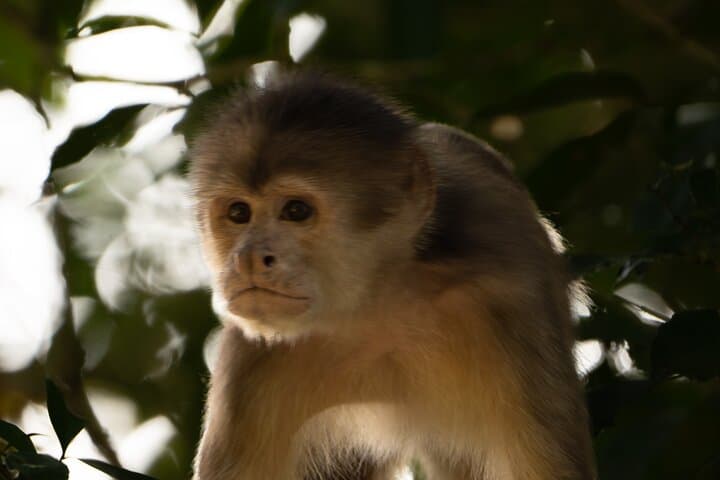
Geology here is blunt: the Nazca Plate dives beneath the South American Plate, lifting jagged peaks, feeding hot springs and channeling rivers that become the Napo and then the Amazon. Cayambe-Coca and Antisana National Parks protect high paramo and cloud forest ecosystems; downstream, primary and secondary rainforest open into a humid canopy where lianas and giant trees harbour hoatzins, squirrel monkeys and, on lucky days, tití (pygmy) monkeys. Culture threads through both environments — Papallacta’s name, local Kichwa ceremonies and the communal making of chicha speak to human ties to these landscapes.
Practically, expect a 1.5–2.5 hour drive from Quito to Papallacta, then a longer descent (roughly 4–6 hours total over the route) to the Napo basin near Tena/Archidona, a drop of nearly 2,700–3,000 m in elevation. Hiking sections run 2–3 hours on muddy, rooty forest trails; canoe legs are typically 30–60 minutes. Bring layered clothing for cold highlands and lightweight, quick-dry gear for the lowland humidity; binoculars, insect repellent, cash for modest community fees (about $5) and an openness to early starts will improve the trip. Guides handle logistics and local knowledge, but moderate fitness and acclimatization to altitude make the journey more comfortable. This is a four-day exchange between two ecosystems — restorative thermal springs above and a biodiverse, living rainforest below.
moderate.
4 days.
Moderate fitness: able to walk 2–4 hours on uneven, sometimes muddy trails and tolerate full-day transfers
Papallacta sits around 3,300 m; mornings and evenings can be near freezing, daytime in the low single digits Celsius — bring insulating layers.
No mandatory vaccines for travel, but yellow fever vaccination is recommended for Amazon travel; consult your doctor and carry documentation if vaccinated.
Large mammals are elusive; expect sightings of monkeys, a variety of birds and reptiles—larger species like tapir or spectacled bear are rare and require luck and silence.
Yes at Papallacta and Quito elevations; stay hydrated, avoid heavy exertion on arrival and consider acetazolamide if advised by a physician.
The route traces pre-Columbian trade corridors between highland communities and Amazonian peoples; many Kichwa families still maintain ancestral practices tied to the forest.
Eco-lodges and rescue centers in the region support local employment and species rehabilitation; visitors should minimize single-use plastics and follow guide instructions to reduce disturbance.
Galapagos My World operates guided outdoor trips and adventures with an emphasis on safety, stewardship, and memorable experiences.


Steam rises off a mineral pool as the Andes crouch above you and the day smells of wet grass and volcanic rock. That first soak at Papallacta — perched near 3,300 m — is a cleansing pause before the world folds down through cloud forest into the green, noisy volume of the Amazon basin.
Steam rises off a mineral pool as the Andes crouch above you and the day smells of wet grass and volcanic rock. That first soak at Papallacta — perched near 3,300 m — is a cleansing pause before the world folds down through cloud forest into the green, noisy volume of the Amazon basin.
Geology here is blunt: the Nazca Plate dives beneath the South American Plate, lifting jagged peaks, feeding hot springs and channeling rivers that become the Napo and then the Amazon. Cayambe-Coca and Antisana National Parks protect high paramo and cloud forest ecosystems; downstream, primary and secondary rainforest open into a humid canopy where lianas and giant trees harbour hoatzins, squirrel monkeys and, on lucky days, tití (pygmy) monkeys. Culture threads through both environments — Papallacta’s name, local Kichwa ceremonies and the communal making of chicha speak to human ties to these landscapes.
Practically, expect a 1.5–2.5 hour drive from Quito to Papallacta, then a longer descent (roughly 4–6 hours total over the route) to the Napo basin near Tena/Archidona, a drop of nearly 2,700–3,000 m in elevation. Hiking sections run 2–3 hours on muddy, rooty forest trails; canoe legs are typically 30–60 minutes. Bring layered clothing for cold highlands and lightweight, quick-dry gear for the lowland humidity; binoculars, insect repellent, cash for modest community fees (about $5) and an openness to early starts will improve the trip. Guides handle logistics and local knowledge, but moderate fitness and acclimatization to altitude make the journey more comfortable. This is a four-day exchange between two ecosystems — restorative thermal springs above and a biodiverse, living rainforest below.