THE ADVENTURE COLLECTIVE® · Independent discovery and booking for outdoor travel

Cross three glacial lakes and a national border in a single, scenic day: a catamaran/bus route from Puerto Varas to San Carlos de Bariloche that pairs volcanic peaks with temperate rainforest. A full-day journey that blends boat decks, short bus segments and a border crossing—bring layers and your passport.
Cross three glacial lakes and a national border in a single, scenic day: a catamaran/bus route from Puerto Varas to San Carlos de Bariloche that pairs volcanic peaks with temperate rainforest. A full-day journey that blends boat decks, short bus segments and a border crossing—bring layers and your passport.
You step off the pier in Puerto Varas as a green lake inhales and exhales around the catamaran. The boat hums away from larch-clad shores, and the Andes begin to rearrange the horizon—volcano cones, snow shoulders, and rivers that seem intent on rerouting your plans.
Verified experiences and guided adventures in the surrounding area.
Operated by Cruce Andino · Puerto Varas, Los Lagos Region
You step off the pier in Puerto Varas as a green lake inhales and exhales around the catamaran. The boat hums away from larch-clad shores, and the Andes begin to rearrange the horizon—volcano cones, snow shoulders, and rivers that seem intent on rerouting your plans.
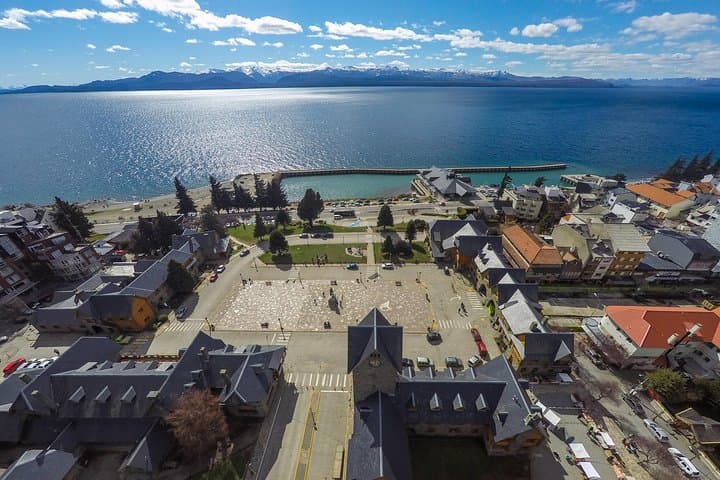
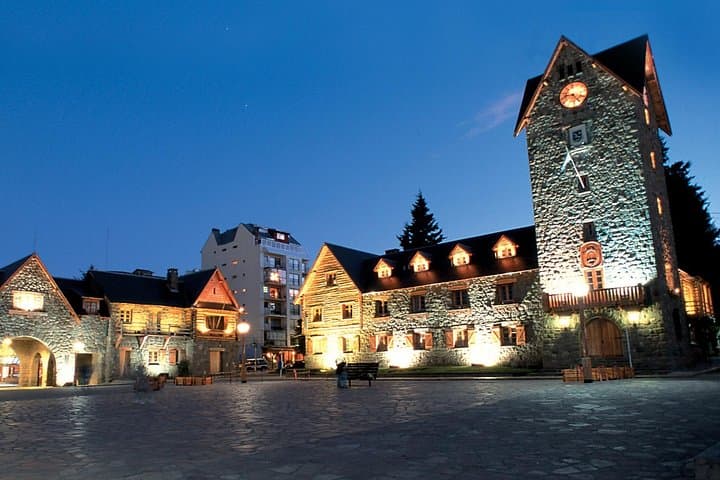
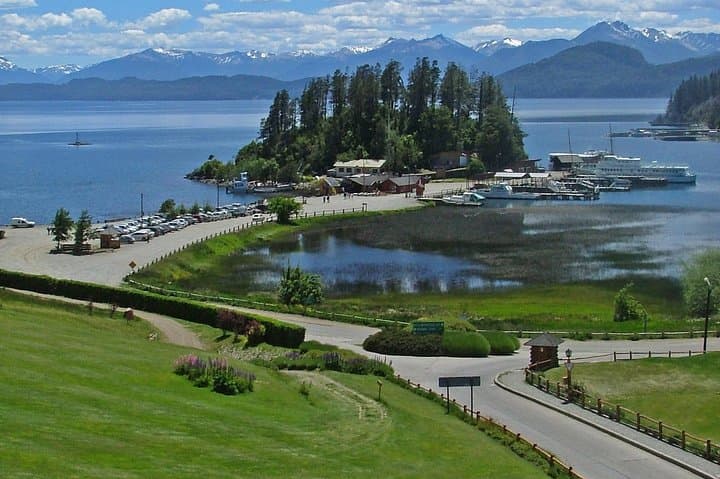
This one-way crossing threads three glacial lakes—Todos los Santos, Frías and Nahuel Huapi—connected by short, scenic road segments through Valdivian temperate rainforest and past waterfalls like Petrohué. The route follows pathways carved by ice and fire: Osorno and Tronador loom as volcanic bookends, while Nahuel Huapi’s basin marks Chile and Argentina’s shared geological history. Cultural notes surface along the way—German timber houses in Puerto Varas, the ecological hamlet of Peulla, and Bariloche’s Alpine-style streets and chocolate shops—each a different answer to how humans have settled these high-latitude lakes.
Expect long stretches aboard comfortable boats with panoramic decks, interspersed with bus transfers that skirt ravines, dense forest and lookout points. Border formalities occur at Lago Frías, so passports are mandatory; lunch in Peulla is typically independent. Wildlife is visible from the deck—Andean condors, black-faced ibis and huemul in quieter coves.
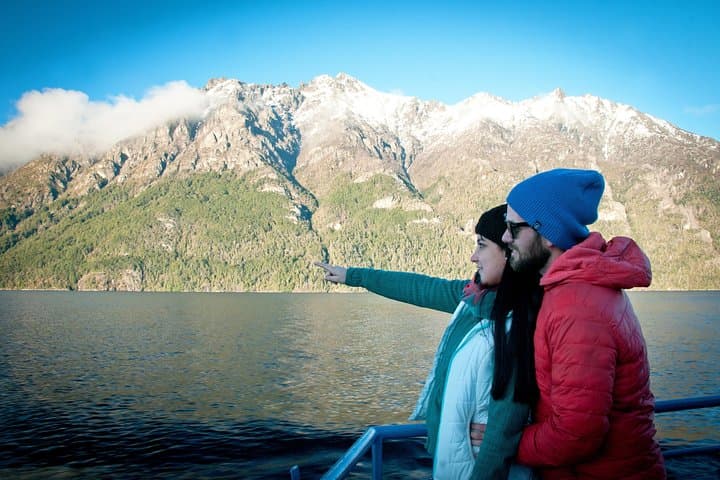
Practicalities: dress in layers, bring waterproof outerwear and binoculars, and plan for a full day (roughly 12 hours). Mobility is easy—no technical hiking required—but the day can be long and exposed to wind and sun. This crossing is an efficient, scenic way to see Patagonian lakes and cross an international border in one memorable sweep.
easy.
12 hours.
Suitable for most fitness levels; requires boarding boats and short walks at piers and viewpoints.
The full transfer takes about 12 hours and combines three lake crossings with four bus segments, stopping at Petrohué, Peulla and ports along Nahuel Huapi before arriving in Bariloche.
Lunch in Villa Peulla is generally not included (approx. US$25); other snacks may be available onboard but bring water and extra food if desired.
A valid passport with name, number, expiry and nationality is required; check visa requirements for your nationality before travel.
Yes—this tour is rated easy and suitable for most ages, but mobility-limited travelers should check boarding assistance and inform the operator in advance.
The route crosses landscapes shaped by glaciation and volcanic activity; towns like Puerto Varas and Bariloche reflect European settlement patterns (German and Swiss influence) in southern Patagonia.
Parts of the route traverse Vicente Pérez Rosales and Nahuel Huapi national parks—stick to marked areas, avoid feeding wildlife and carry out all trash to minimize impact.
Cruce Andino operates guided outdoor trips and adventures with an emphasis on safety, stewardship, and memorable experiences.
You step off the pier in Puerto Varas as a green lake inhales and exhales around the catamaran. The boat hums away from larch-clad shores, and the Andes begin to rearrange the horizon—volcano cones, snow shoulders, and rivers that seem intent on rerouting your plans.
You step off the pier in Puerto Varas as a green lake inhales and exhales around the catamaran. The boat hums away from larch-clad shores, and the Andes begin to rearrange the horizon—volcano cones, snow shoulders, and rivers that seem intent on rerouting your plans.
This one-way crossing threads three glacial lakes—Todos los Santos, Frías and Nahuel Huapi—connected by short, scenic road segments through Valdivian temperate rainforest and past waterfalls like Petrohué. The route follows pathways carved by ice and fire: Osorno and Tronador loom as volcanic bookends, while Nahuel Huapi’s basin marks Chile and Argentina’s shared geological history. Cultural notes surface along the way—German timber houses in Puerto Varas, the ecological hamlet of Peulla, and Bariloche’s Alpine-style streets and chocolate shops—each a different answer to how humans have settled these high-latitude lakes.
Expect long stretches aboard comfortable boats with panoramic decks, interspersed with bus transfers that skirt ravines, dense forest and lookout points. Border formalities occur at Lago Frías, so passports are mandatory; lunch in Peulla is typically independent. Wildlife is visible from the deck—Andean condors, black-faced ibis and huemul in quieter coves.
Practicalities: dress in layers, bring waterproof outerwear and binoculars, and plan for a full day (roughly 12 hours). Mobility is easy—no technical hiking required—but the day can be long and exposed to wind and sun. This crossing is an efficient, scenic way to see Patagonian lakes and cross an international border in one memorable sweep.