THE ADVENTURE COLLECTIVE® · Independent discovery and booking for outdoor travel

Trace a local story through Elgin’s streets, from a stone pillar start to a photo stop at Elgin Cathedral. This accessible 1–2 hour walking tour mixes social history, architecture, and local color for an efficient, readable introduction to the town.
Trace a local story through Elgin’s streets, from a stone pillar start to a photo stop at Elgin Cathedral. This accessible 1–2 hour walking tour mixes social history, architecture, and local color for an efficient, readable introduction to the town.
Beside the stone pillar you step into a compact narrative of Elgin—cobbled streets, low sandstone walls, and the cathedral’s ruined silhouette drawing the eye. The guide's voice threads through alleys and gateposts, pointing to thresholds where a noblewoman’s fortunes frayed and a son’s rise reshaped the town’s story.
Verified experiences and guided adventures in the surrounding area.
Operated by Elgin Ghost Tours · Elgin, Moray
Beside the stone pillar you step into a compact narrative of Elgin—cobbled streets, low sandstone walls, and the cathedral’s ruined silhouette drawing the eye. The guide's voice threads through alleys and gateposts, pointing to thresholds where a noblewoman’s fortunes frayed and a son’s rise reshaped the town’s story.
This short walking tour moves through layers of local history: medieval Elgin Cathedral’s carved capitals and battered walls, later civic growth tied to trade on the River Lossie, and social shifts that left some residents destitute even as others prospered. The geology is visible in the warm, brown Grantown sandstone used in civic buildings; glacial plains around Moray shaped the low, agricultural landscape you pass.
Culturally, the walk sits between kirk and market—pockets of vernacular architecture and place-names that recall clan ties and 18th–19th century shifts. Expect anecdotes about Marjory Gilzean and the local figures tied to her family, plus a planned photo stop at Elgin Cathedral where guides pause to unpack architecture and meaning.
Practical guidance: the route is wheelchair- and stroller-accessible with short standing sections; allow 60–120 minutes depending on questions. Wear comfortable shoes for mixed pavement and small thresholds, and bring a waterproof layer—Scottish weather changes quickly. Carry a charged phone for the mobile ticket and to take pictures at the cathedral stop. Plan this tour mid-morning to avoid the busiest times at the market and to catch softer light on the sandstone.
This is a compact, interpretive stroll—low exertion but high in local texture, ideal for travelers who want history with easy access and clear logistics.
easy.
1–2 hours.
Suitable for most fitness levels; mainly standing and short walks on flat streets.
The tour runs approximately 60–120 minutes, depending on group pace and questions.
Yes; the provider notes wheelchair- and stroller-accessible surfaces for the route and transportation options.
Public restrooms are available near the town center and at visitor facilities close to Elgin Cathedral—ask your guide for directions.
Yes—there is a designated photo stop outside the cathedral included in the itinerary.
The tour highlights local social history including the story of Marjory Gilzean and the later prominence of her son, set against the backdrop of Elgin Cathedral and civic growth.
Respect fragile masonry at historical sites and stick to paved paths; local trusts work to conserve the cathedral ruins and townscape—follow guidance from stewards and guides.
Elgin Ghost Tours operates guided outdoor trips and adventures with an emphasis on safety, stewardship, and memorable experiences.



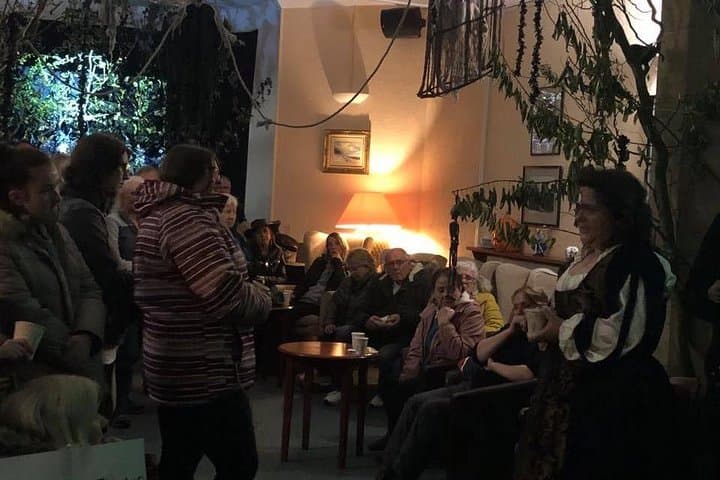
Beside the stone pillar you step into a compact narrative of Elgin—cobbled streets, low sandstone walls, and the cathedral’s ruined silhouette drawing the eye. The guide's voice threads through alleys and gateposts, pointing to thresholds where a noblewoman’s fortunes frayed and a son’s rise reshaped the town’s story.
Beside the stone pillar you step into a compact narrative of Elgin—cobbled streets, low sandstone walls, and the cathedral’s ruined silhouette drawing the eye. The guide's voice threads through alleys and gateposts, pointing to thresholds where a noblewoman’s fortunes frayed and a son’s rise reshaped the town’s story.
This short walking tour moves through layers of local history: medieval Elgin Cathedral’s carved capitals and battered walls, later civic growth tied to trade on the River Lossie, and social shifts that left some residents destitute even as others prospered. The geology is visible in the warm, brown Grantown sandstone used in civic buildings; glacial plains around Moray shaped the low, agricultural landscape you pass.
Culturally, the walk sits between kirk and market—pockets of vernacular architecture and place-names that recall clan ties and 18th–19th century shifts. Expect anecdotes about Marjory Gilzean and the local figures tied to her family, plus a planned photo stop at Elgin Cathedral where guides pause to unpack architecture and meaning.
Practical guidance: the route is wheelchair- and stroller-accessible with short standing sections; allow 60–120 minutes depending on questions. Wear comfortable shoes for mixed pavement and small thresholds, and bring a waterproof layer—Scottish weather changes quickly. Carry a charged phone for the mobile ticket and to take pictures at the cathedral stop. Plan this tour mid-morning to avoid the busiest times at the market and to catch softer light on the sandstone.
This is a compact, interpretive stroll—low exertion but high in local texture, ideal for travelers who want history with easy access and clear logistics.