THE ADVENTURE COLLECTIVE® · Independent discovery and booking for outdoor travel

Cycle through highland farmland, stand-up paddle a sacred lake beneath Imbabura, and hike the volcanic rim of Cuicocha on a private three-day multisport loop from Quito. Practical, guided, and culturally rich—this trip mixes steady effort with wide Andean views.
Cycle through highland farmland, stand-up paddle a sacred lake beneath Imbabura, and hike the volcanic rim of Cuicocha on a private three-day multisport loop from Quito. Practical, guided, and culturally rich—this trip mixes steady effort with wide Andean views.
Dawn breaks over highland fields as riders clip in and guides check helmets; Imbabura’s cone washes the valley in cool light and the air smells of toasted corn and eucalyptus. On this private three-day loop from Quito, travelers move through a living Andean landscape — pedaling past quinoa fields to Otavalo’s market, standing on a SUP amid glassy San Pablo Lake, then hiking the rim of the volcanic Cuicocha crater where wind and volcanic rock shape every view.
Verified experiences and guided adventures in the surrounding area.
Operated by Activexpedition · Otavalo, Imbabura
Dawn breaks over highland fields as riders clip in and guides check helmets; Imbabura’s cone washes the valley in cool light and the air smells of toasted corn and eucalyptus. On this private three-day loop from Quito, travelers move through a living Andean landscape — pedaling past quinoa fields to Otavalo’s market, standing on a SUP amid glassy San Pablo Lake, then hiking the rim of the volcanic Cuicocha crater where wind and volcanic rock shape every view.
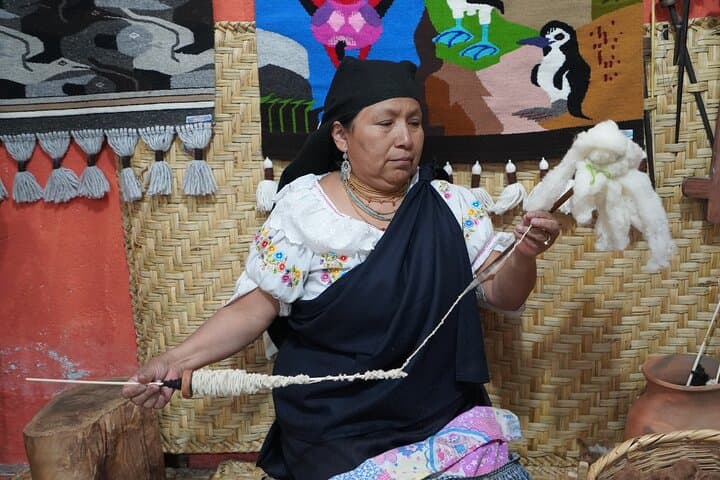
The region sits on the northern Ecuadorian volcanic axis. Imbabura and Cotacachi are Pleistocene volcanoes whose eruptions left the caldera that holds Laguna Cuicocha. Otavalo’s market reflects centuries of Kichwa and Spanish-era exchange: textiles, carved horn, and silverwork are woven into modern life and local identity.
Expect varied terrain: paved and dirt farm roads for cycling, calm freshwater for paddleboarding, and a 13 km (about 8-mile) rim trail around Cuicocha with several steep pitches and exposed volcanic scree. Elevations sit mostly between 2,400–3,300 m (7,900–10,800 ft); Imbabura looms higher at 4,600 m.
Practical edge: acclimatize in Quito for 24–48 hours; wear layered clothing for sun and sudden wind; bring high-SPF sun protection and a hydration system. Guides provide bikes, helmets, SUPs, and poles; hotel stays are small, family-run guesthouses. Be prepared for cultural etiquette—ask before photographing people—and for ecological care: stick to trails, carry out waste, and respect freshwater use by local communities.
moderate.
3 days.
Suitably fit travelers should be comfortable with 4–6 hours of active movement per day at high altitude; basic aerobic endurance and balance for cycling and SUP are helpful.
The rim is about 13 km (8 miles) with moderate-to-steep sections and loose volcanic rock; expect 3–5 hours depending on pace and acclimatization.
No—guides give a safety briefing and basic instruction on stable, inflatable SUPs; balance and comfort in water help but beginners can manage.
Yes—most activities occur between 2,400–3,300 m; allow time to acclimatize, avoid heavy exertion on arrival day, and consult a doctor if you have cardio issues.
Yes: two nights’ accommodation in small guesthouses and most breakfasts and lunches are included; local restaurants provide additional dinner options.
This highland corridor has long been home to Kichwa-speaking communities; Otavalo grew into a major artisan market through indigenous trade networks and colonial-era routes.
Water from San Pablo and Cuicocha supports local agriculture; visitors are asked to avoid single-use plastics, stay on trails to prevent erosion, and respect irrigation needs of local farms.
Activexpedition operates guided outdoor trips and adventures with an emphasis on safety, stewardship, and memorable experiences.
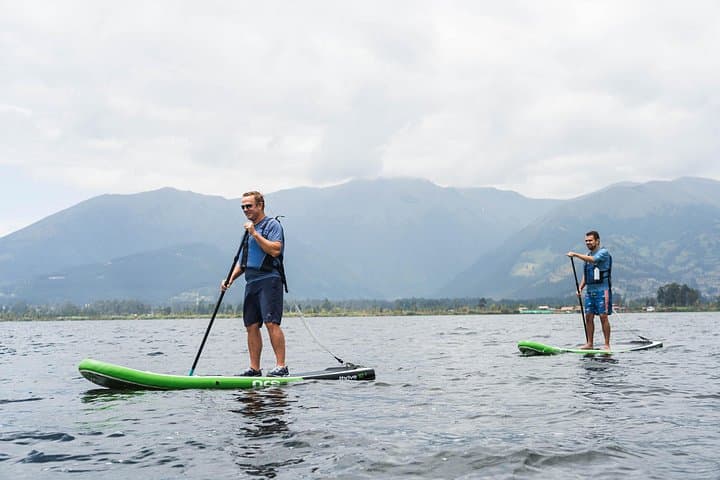
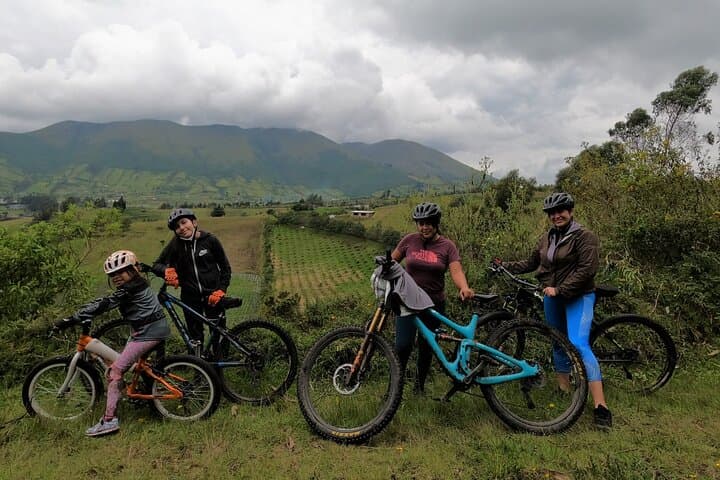
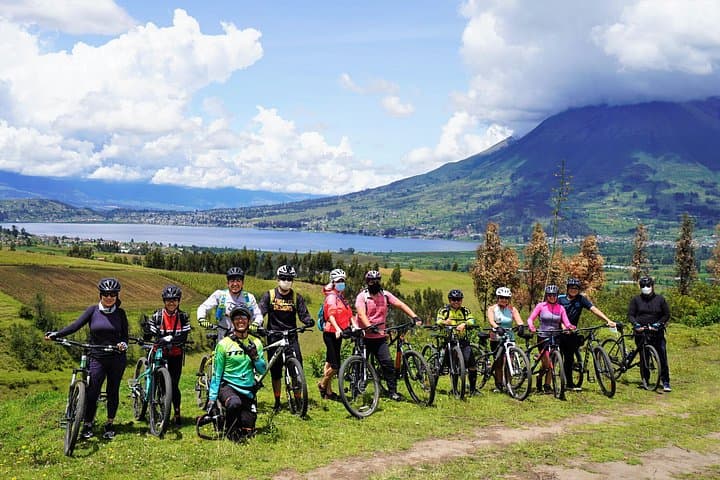
Dawn breaks over highland fields as riders clip in and guides check helmets; Imbabura’s cone washes the valley in cool light and the air smells of toasted corn and eucalyptus. On this private three-day loop from Quito, travelers move through a living Andean landscape — pedaling past quinoa fields to Otavalo’s market, standing on a SUP amid glassy San Pablo Lake, then hiking the rim of the volcanic Cuicocha crater where wind and volcanic rock shape every view.
Dawn breaks over highland fields as riders clip in and guides check helmets; Imbabura’s cone washes the valley in cool light and the air smells of toasted corn and eucalyptus. On this private three-day loop from Quito, travelers move through a living Andean landscape — pedaling past quinoa fields to Otavalo’s market, standing on a SUP amid glassy San Pablo Lake, then hiking the rim of the volcanic Cuicocha crater where wind and volcanic rock shape every view.
The region sits on the northern Ecuadorian volcanic axis. Imbabura and Cotacachi are Pleistocene volcanoes whose eruptions left the caldera that holds Laguna Cuicocha. Otavalo’s market reflects centuries of Kichwa and Spanish-era exchange: textiles, carved horn, and silverwork are woven into modern life and local identity.
Expect varied terrain: paved and dirt farm roads for cycling, calm freshwater for paddleboarding, and a 13 km (about 8-mile) rim trail around Cuicocha with several steep pitches and exposed volcanic scree. Elevations sit mostly between 2,400–3,300 m (7,900–10,800 ft); Imbabura looms higher at 4,600 m.
Practical edge: acclimatize in Quito for 24–48 hours; wear layered clothing for sun and sudden wind; bring high-SPF sun protection and a hydration system. Guides provide bikes, helmets, SUPs, and poles; hotel stays are small, family-run guesthouses. Be prepared for cultural etiquette—ask before photographing people—and for ecological care: stick to trails, carry out waste, and respect freshwater use by local communities.