THE ADVENTURE COLLECTIVE® · Independent discovery and booking for outdoor travel

Cross three lakes and two countries in one long, scenic day: sail Todos los Santos, Frías and Nahuel Huapi while volcanoes like Osorno and Tronador frame the horizon. This 11-hour Chile-to-Argentina journey blends easy walking with unforgettable alpine-lake views—passport required.
Cross three lakes and two countries in one long, scenic day: sail Todos los Santos, Frías and Nahuel Huapi while volcanoes like Osorno and Tronador frame the horizon. This 11-hour Chile-to-Argentina journey blends easy walking with unforgettable alpine-lake views—passport required.
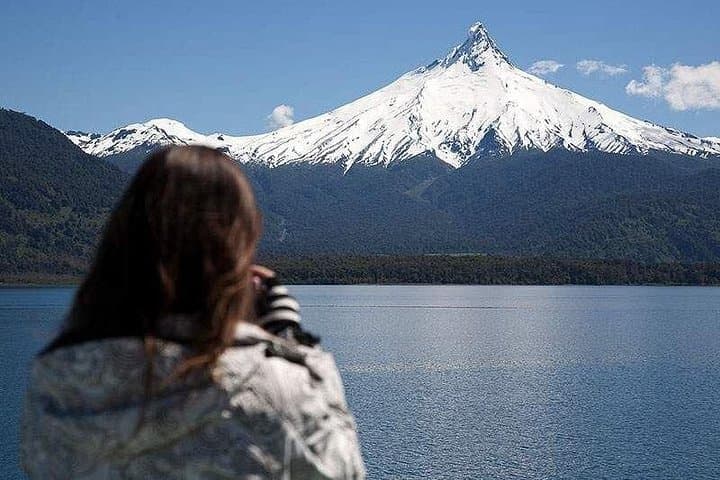
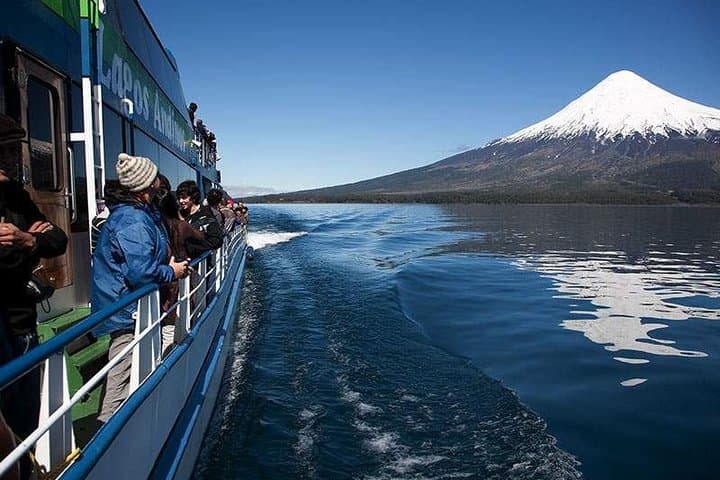
You step out of the Turistour office into a chill morning that smells of lake water and wet pine. Buses rumble away from Puerto Varas, hugging the shore of Llanquihue as the silhouette of Osorno volcano sharpens against the sky. By midmorning you are on a boat: the wake breaks like a promise across Todos los Santos, the water a deep green that dares you to look away. Islands and volcanic spires slide past; sunlight catches the basalt at Petrohué and the river spits white against sculpted rock.
Verified experiences and guided adventures in the surrounding area.
Operated by Tangol · Puerto Varas, Los Lagos Region
You step out of the Turistour office into a chill morning that smells of lake water and wet pine. Buses rumble away from Puerto Varas, hugging the shore of Llanquihue as the silhouette of Osorno volcano sharpens against the sky. By midmorning you are on a boat: the wake breaks like a promise across Todos los Santos, the water a deep green that dares you to look away. Islands and volcanic spires slide past; sunlight catches the basalt at Petrohué and the river spits white against sculpted rock.
This is a route written by fire and ice. The lakes owe their size to glacial scouring and their outlines to repeated volcanic eruptions—Osorno, Puntiagudo and Tronador draft the skyline with jagged teeth. Human history here is layered: Mapuche and Huilliche communities long moved through these valleys; later, 19th-century settlers and cross-border trade shaped the towns that serve today's travelers. Modern borders feel bureaucratic but the geography ignores them—ecosystems flow from Chile into Argentina with the same forested logic.
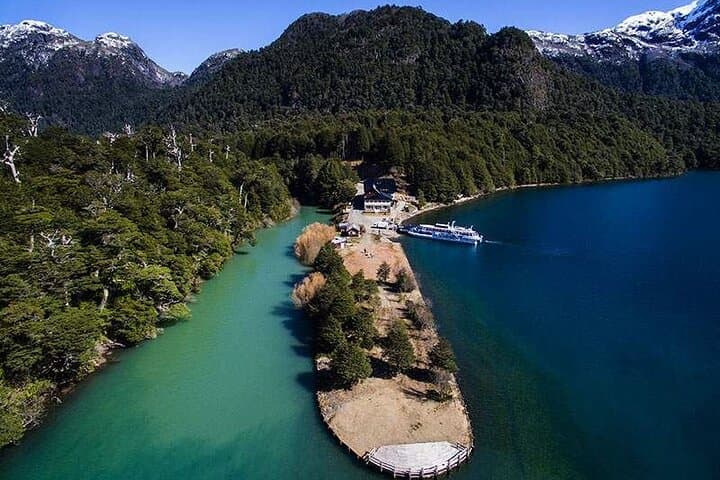
The crossing threads through the Valdivian temperate rainforest, a biome of evergreen beech and coihue, ferns that carpet the understory and rivers that never quite run quiet. At Peulla, the boat docks at an ecological lodge where rainforest trails funnel you to small waterfalls and birdcalls. Later you cross the green sweep of Frías and, finally, the broad basin of Nahuel Huapi—Bariloche’s lake—where Tronador looms in winter with snowfields that feed glaciers and streams.
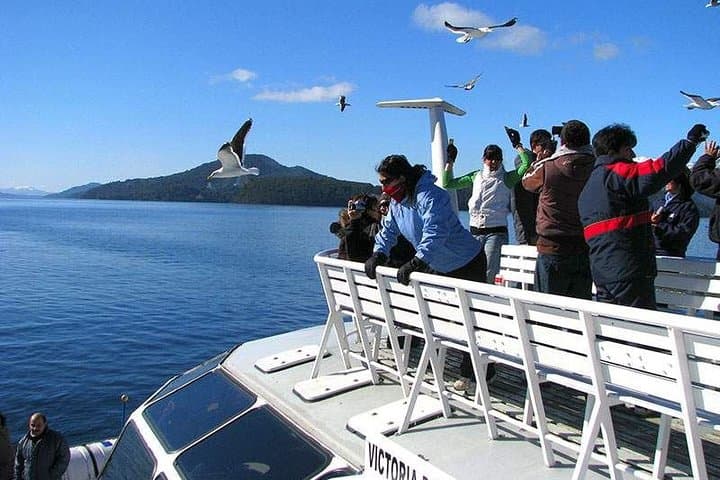
Practical edge: the full trip runs about 11 hours and combines three boat segments and multiple coach transfers, including a border crossing at Puerto Frías. A current, valid passport is required; luggage is limited to one suitcase and one carry-on per person, and the operator enforces weight limits. Guides provide live commentary; entry fees for Petrohué Falls are included. Physically the day is easy but long—expect periods of standing on decks and short walks at attractions.
Timing matters: calm mornings offer the clearest volcano views and better water reflections; wind can wake later and chop the surface. Layering is practical—temperatures can shift from cool forest shade to sunlit decks. Bring a waterproof shell, snacks, and a charged camera battery; the landscapes are relentlessly photogenic.
At the day’s end the coach pulls into Bariloche with the smell of wood smoke and a ring of alpine-style rooftops. The crossing is more than transit—it’s a corridor through Southern Andes landscapes, where water keeps moving borders and stories along with it.
easy.
11 hours.
Suitable for travelers of all fitness levels; expect periods of standing, short walks on uneven paths and boarding ramps.
Yes. A current valid passport is required on the day of travel for the international border crossing; passport data must be provided at booking.
No, lunch in Peulla is not included—there is an ecological lodge where you can buy meals, or bring snacks if you prefer.
Walking is light—short trails at Petrohué and Peulla plus boarding and disembarking from boats; the day is mostly seated on coaches and boats.
Passengers are allowed a maximum of one suitcase (up to 20kg recommended) and one carry-on bag; adhere to limits to avoid refusal at departure.
The experience involves boat boarding and some uneven surfaces—contact the operator ahead of time to discuss accessibility and assistance options.
All sales are final with no refunds available, so confirm plans before booking; the operator does not offer weather or minimum-traveler refunds.
The lakes and valleys were shaped by repeated glaciation and volcanic activity; the region later became a border zone where Mapuche communities and European settlers influenced local culture.
This is fragile Valdivian rainforest and alpine waterways—stay on marked trails, avoid feeding wildlife, and clean gear to prevent spreading invasive aquatic species across borders.
Tangol operates guided outdoor trips and adventures with an emphasis on safety, stewardship, and memorable experiences.
You step out of the Turistour office into a chill morning that smells of lake water and wet pine. Buses rumble away from Puerto Varas, hugging the shore of Llanquihue as the silhouette of Osorno volcano sharpens against the sky. By midmorning you are on a boat: the wake breaks like a promise across Todos los Santos, the water a deep green that dares you to look away. Islands and volcanic spires slide past; sunlight catches the basalt at Petrohué and the river spits white against sculpted rock.
You step out of the Turistour office into a chill morning that smells of lake water and wet pine. Buses rumble away from Puerto Varas, hugging the shore of Llanquihue as the silhouette of Osorno volcano sharpens against the sky. By midmorning you are on a boat: the wake breaks like a promise across Todos los Santos, the water a deep green that dares you to look away. Islands and volcanic spires slide past; sunlight catches the basalt at Petrohué and the river spits white against sculpted rock.
This is a route written by fire and ice. The lakes owe their size to glacial scouring and their outlines to repeated volcanic eruptions—Osorno, Puntiagudo and Tronador draft the skyline with jagged teeth. Human history here is layered: Mapuche and Huilliche communities long moved through these valleys; later, 19th-century settlers and cross-border trade shaped the towns that serve today's travelers. Modern borders feel bureaucratic but the geography ignores them—ecosystems flow from Chile into Argentina with the same forested logic.
The crossing threads through the Valdivian temperate rainforest, a biome of evergreen beech and coihue, ferns that carpet the understory and rivers that never quite run quiet. At Peulla, the boat docks at an ecological lodge where rainforest trails funnel you to small waterfalls and birdcalls. Later you cross the green sweep of Frías and, finally, the broad basin of Nahuel Huapi—Bariloche’s lake—where Tronador looms in winter with snowfields that feed glaciers and streams.
Practical edge: the full trip runs about 11 hours and combines three boat segments and multiple coach transfers, including a border crossing at Puerto Frías. A current, valid passport is required; luggage is limited to one suitcase and one carry-on per person, and the operator enforces weight limits. Guides provide live commentary; entry fees for Petrohué Falls are included. Physically the day is easy but long—expect periods of standing on decks and short walks at attractions.
Timing matters: calm mornings offer the clearest volcano views and better water reflections; wind can wake later and chop the surface. Layering is practical—temperatures can shift from cool forest shade to sunlit decks. Bring a waterproof shell, snacks, and a charged camera battery; the landscapes are relentlessly photogenic.
At the day’s end the coach pulls into Bariloche with the smell of wood smoke and a ring of alpine-style rooftops. The crossing is more than transit—it’s a corridor through Southern Andes landscapes, where water keeps moving borders and stories along with it.