THE ADVENTURE COLLECTIVE® · Independent discovery and booking for outdoor travel

Traverse Inca plazas, market alleys and glacier-scarred peaks on a five-day Andean circuit that pairs Cusco’s living history with Machu Picchu’s terraces and the high‑altitude spectacle of Rainbow Mountain. Plan for early starts, altitude, and unforgettable vistas.
Traverse Inca plazas, market alleys and glacier-scarred peaks on a five-day Andean circuit that pairs Cusco’s living history with Machu Picchu’s terraces and the high‑altitude spectacle of Rainbow Mountain. Plan for early starts, altitude, and unforgettable vistas.
You step out into thin air before dawn: Cusco’s red-tiled roofs sit in the amber light while distant peaks wear blankets of glacier. The city’s plazas hum with vendors and the smell of roasted corn, and the guide’s briefing at your hotel converts those first impressions into a plan—market mornings in Pisac, the terraces of Ollantaytambo, an early train to Aguas Calientes, then the stepped citadel of Machu Picchu.
Verified experiences and guided adventures in the surrounding area.
Operated by Peru Andes Top · Cusco, Cusco
You step out into thin air before dawn: Cusco’s red-tiled roofs sit in the amber light while distant peaks wear blankets of glacier. The city’s plazas hum with vendors and the smell of roasted corn, and the guide’s briefing at your hotel converts those first impressions into a plan—market mornings in Pisac, the terraces of Ollantaytambo, an early train to Aguas Calientes, then the stepped citadel of Machu Picchu.
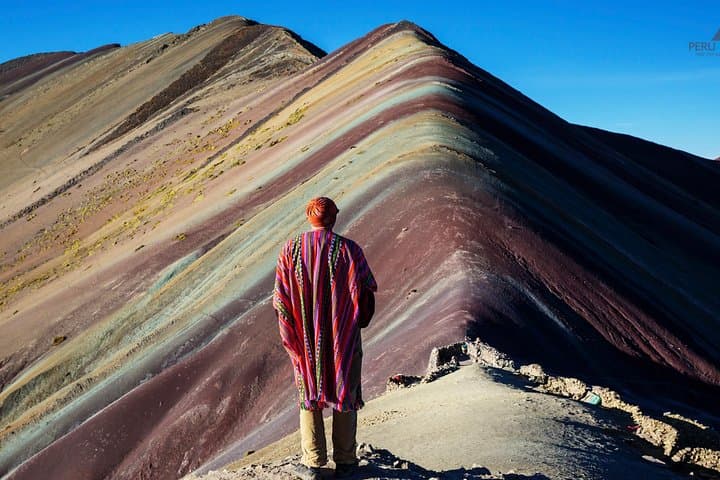
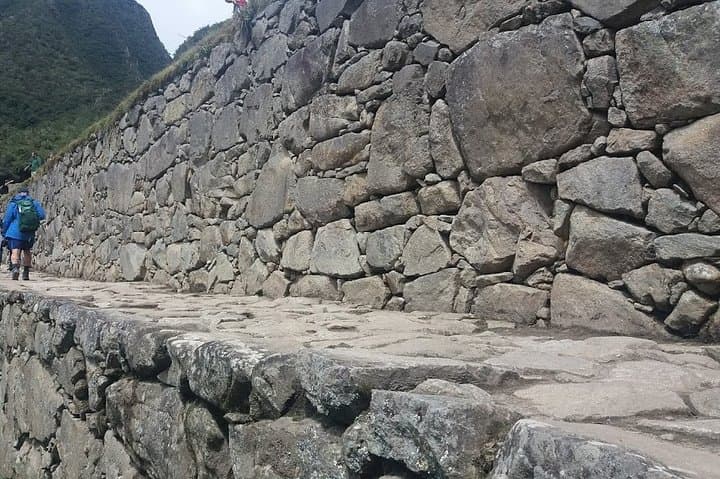
Cusco began as the Inca capital, its streets aligned by pre-Columbian geometry and later overlaid with colonial churches; Koricancha’s stonework still hints at the city’s former gold-clad center. Geologically, you’re traversing uplifted Andean fold-and-thrust ranges with glacial valleys that cradle the Urubamba River; at 5,020 m, Rainbow Mountain’s iron- and copper-rich sediments give the slopes their banded colors. Culture is immediate—Quechua-speaking communities, llamas grazing on high puna, and markets where woven patterns map family histories.
Practical guidance: expect five active days with significant altitude gains—acclimatize in Cusco, keep hydration and pace conservative, and factor in early wake-ups for Rainbow Mountain and Machu Picchu. Footwear with solid traction is essential for terraces and scree, and layers are mandatory: sun by day, sharp cold after sunset. Trains and bus transfers are included for the Machu Picchu leg; permits and optional Huayna Picchu tickets are limited, so reserve early. Carry small local currency for markets, protect electronics from dust and sun, and remember that the real challenge here is altitude more than technical difficulty. This itinerary balances cultural immersion and alpine walking—rewarding, demanding, and unforgettable.
challenging.
5 days.
Good cardiovascular fitness recommended; ability to hike uphill at altitude for several hours is required.
Plan at least one full day in Cusco before high-altitude excursions; light activity and hydration help adapt. If possible, two days reduces risk further.
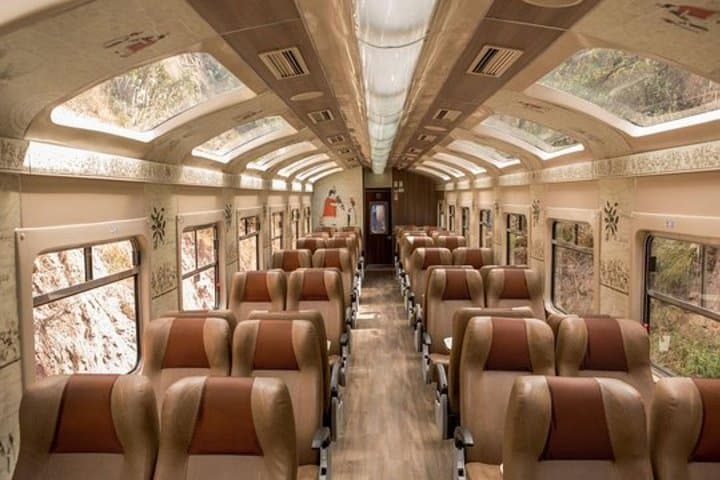
The itinerary includes Machu Picchu tickets and round-trip bus transport from Aguas Calientes; expedition train segments are covered per the listing details.
No technical gear is required, but the trek involves long uphill sections to ~5,020 m—good fitness and pacing are essential.
Yes—Huayna Picchu tickets are optional and limited; purchase in advance as an upgrade if available.
Cusco served as the Inca empire’s political and spiritual hub; Koricancha was the temple complex once gilded in sheets of gold prior to Spanish conquest.
Machu Picchu has visitor limits and timed entries to protect fragile stonework and landscapes—follow designated paths, pack out waste, and use refillable water bottles.
Peru Andes Top operates guided outdoor trips and adventures with an emphasis on safety, stewardship, and memorable experiences.
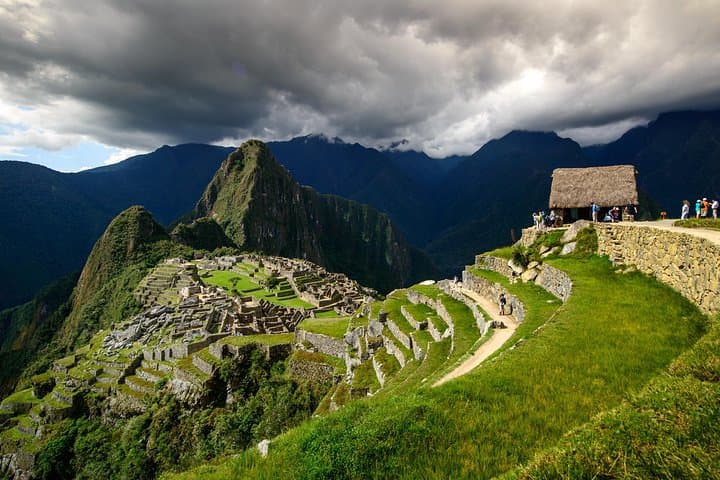
You step out into thin air before dawn: Cusco’s red-tiled roofs sit in the amber light while distant peaks wear blankets of glacier. The city’s plazas hum with vendors and the smell of roasted corn, and the guide’s briefing at your hotel converts those first impressions into a plan—market mornings in Pisac, the terraces of Ollantaytambo, an early train to Aguas Calientes, then the stepped citadel of Machu Picchu.
You step out into thin air before dawn: Cusco’s red-tiled roofs sit in the amber light while distant peaks wear blankets of glacier. The city’s plazas hum with vendors and the smell of roasted corn, and the guide’s briefing at your hotel converts those first impressions into a plan—market mornings in Pisac, the terraces of Ollantaytambo, an early train to Aguas Calientes, then the stepped citadel of Machu Picchu.
Cusco began as the Inca capital, its streets aligned by pre-Columbian geometry and later overlaid with colonial churches; Koricancha’s stonework still hints at the city’s former gold-clad center. Geologically, you’re traversing uplifted Andean fold-and-thrust ranges with glacial valleys that cradle the Urubamba River; at 5,020 m, Rainbow Mountain’s iron- and copper-rich sediments give the slopes their banded colors. Culture is immediate—Quechua-speaking communities, llamas grazing on high puna, and markets where woven patterns map family histories.
Practical guidance: expect five active days with significant altitude gains—acclimatize in Cusco, keep hydration and pace conservative, and factor in early wake-ups for Rainbow Mountain and Machu Picchu. Footwear with solid traction is essential for terraces and scree, and layers are mandatory: sun by day, sharp cold after sunset. Trains and bus transfers are included for the Machu Picchu leg; permits and optional Huayna Picchu tickets are limited, so reserve early. Carry small local currency for markets, protect electronics from dust and sun, and remember that the real challenge here is altitude more than technical difficulty. This itinerary balances cultural immersion and alpine walking—rewarding, demanding, and unforgettable.