THE ADVENTURE COLLECTIVE® · Independent discovery and booking for outdoor travel

Two days that compress the best of the Sacred Valley—Moray, Maras, Ollantaytambo—and a sunrise visit to Machu Picchu. This private tour combines cultural exchange with archaeology and smart logistics to maximize time at the citadel.
Two days that compress the best of the Sacred Valley—Moray, Maras, Ollantaytambo—and a sunrise visit to Machu Picchu. This private tour combines cultural exchange with archaeology and smart logistics to maximize time at the citadel.
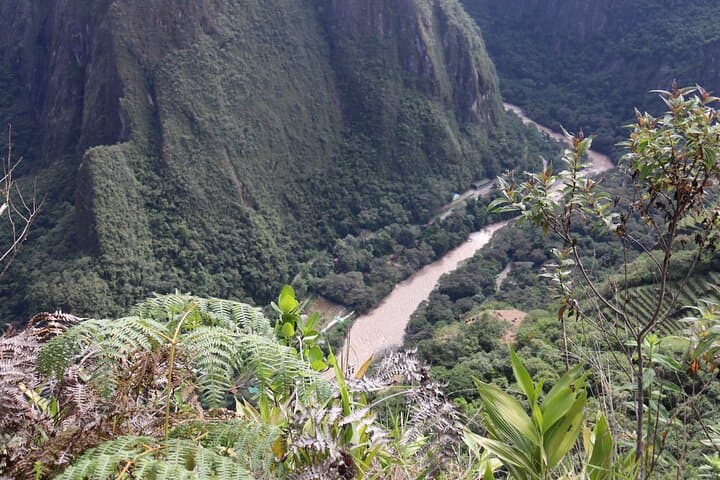
Dawn breaks over the Sacred Valley as the bus climbs out of Cusco; mist lifts from terraced slopes and the Urubamba River threads the valley below, daring you to pay attention. On day one the tour moves deliberately—Chinchero's stone church and markets open like chapters, then the circular amphitheaters of Moray draw you close enough to read the soil lines that once let the Incas experiment with microclimates.
Verified experiences and guided adventures in the surrounding area.
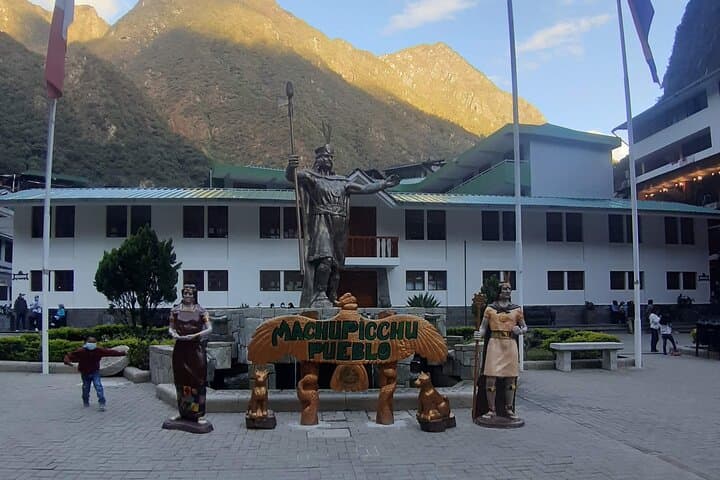
Operated by Aremika Travel · Aguas Calientes (Machu Picchu Pueblo), Cusco Region
Dawn breaks over the Sacred Valley as the bus climbs out of Cusco; mist lifts from terraced slopes and the Urubamba River threads the valley below, daring you to pay attention. On day one the tour moves deliberately—Chinchero's stone church and markets open like chapters, then the circular amphitheaters of Moray draw you close enough to read the soil lines that once let the Incas experiment with microclimates.
This route stitches together living Andean culture and geology: salt pans at Maras press white geometries into the hillside, remnants of pre-Inca craft that still feed local families, while Ollantaytambo keeps the grid of an Inca town intact where original stonework channels meltwater down terraces.
Expect hands-on community activities in Misminay—weaving, planting or cooking—that give a practical glimpse into contemporary Andean life alongside guided archaeology talks that explain terrace engineering and solar observatories.
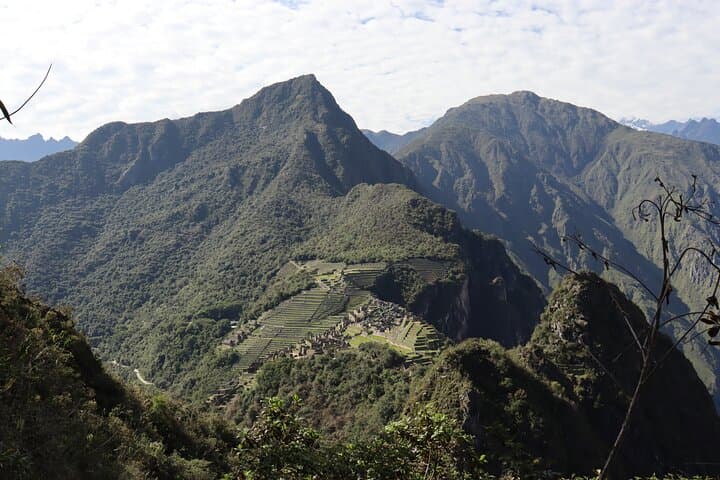
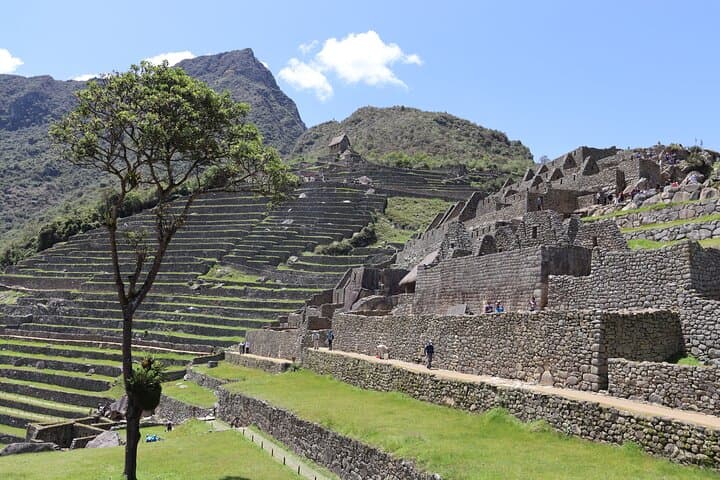
Practical side: train travel to Aguas Calientes and a dawn bus to Machu Picchu compress long travel into tidy segments, but altitude and uneven stone paths mean plan for slower pacing. Hydrate well, sleep early in Cusco to aid acclimatization, and reserve extra time in Ollantaytambo if you want a quieter stroll through Inca streets. Wear sturdy shoes for terraces and bring layered rain protection—weather can flip from sun to cloud in an hour. With a guide handling permits, you can focus your energy on the citadel’s temples, terraces and that first wide view where the massif folds into jungle and history.
moderate.
2 days.
Moderate fitness: able to walk on uneven stone, climb stairs and tolerate short uphill sections at altitude.
The tour includes Machu Picchu entrance according to the selected circuit and schedule—confirm when booking whether Huayna Picchu or Machu Picchu Mountain permits are added.
Expect several hours of walking each day on uneven stone, terraces and village paths; the guided Machu Picchu visit is roughly 2–3 hours with additional free time.
Cusco sits around 3,400 m and sites like Moray are high as well—altitude can affect anyone; hydrate, avoid alcohol before the trip and consider extra rest days in Cusco if you are sensitive.
Train tickets Ollantaytambo–Aguas Calientes–Ollantaytambo are included; class and exact schedules depend on availability—confirm preferred departure times at booking.
The itinerary links pre-Inca and Inca technologies—Maras salt pans predate the Incas while Moray’s concentric terraces show Inca experimentation with microclimates and crop diversity.
Machu Picchu limits daily visitors and enforces circuits; stick to paths, avoid single-use plastics and follow local guide instructions to reduce impact.
Aremika Travel operates guided outdoor trips and adventures with an emphasis on safety, stewardship, and memorable experiences.
Dawn breaks over the Sacred Valley as the bus climbs out of Cusco; mist lifts from terraced slopes and the Urubamba River threads the valley below, daring you to pay attention. On day one the tour moves deliberately—Chinchero's stone church and markets open like chapters, then the circular amphitheaters of Moray draw you close enough to read the soil lines that once let the Incas experiment with microclimates.
Dawn breaks over the Sacred Valley as the bus climbs out of Cusco; mist lifts from terraced slopes and the Urubamba River threads the valley below, daring you to pay attention. On day one the tour moves deliberately—Chinchero's stone church and markets open like chapters, then the circular amphitheaters of Moray draw you close enough to read the soil lines that once let the Incas experiment with microclimates.
This route stitches together living Andean culture and geology: salt pans at Maras press white geometries into the hillside, remnants of pre-Inca craft that still feed local families, while Ollantaytambo keeps the grid of an Inca town intact where original stonework channels meltwater down terraces.
Expect hands-on community activities in Misminay—weaving, planting or cooking—that give a practical glimpse into contemporary Andean life alongside guided archaeology talks that explain terrace engineering and solar observatories.
Practical side: train travel to Aguas Calientes and a dawn bus to Machu Picchu compress long travel into tidy segments, but altitude and uneven stone paths mean plan for slower pacing. Hydrate well, sleep early in Cusco to aid acclimatization, and reserve extra time in Ollantaytambo if you want a quieter stroll through Inca streets. Wear sturdy shoes for terraces and bring layered rain protection—weather can flip from sun to cloud in an hour. With a guide handling permits, you can focus your energy on the citadel’s temples, terraces and that first wide view where the massif folds into jungle and history.