THE ADVENTURE COLLECTIVE® · Independent discovery and booking for outdoor travel

A three-day loop from Antananarivo into Andasibe-Mantadia delivers close lemur encounters, rainforest hikes and night walks. This guide outlines what to expect on trails, the region’s natural history, and practical tips for a humid, wildlife-focused visit.
A three-day loop from Antananarivo into Andasibe-Mantadia delivers close lemur encounters, rainforest hikes and night walks. This guide outlines what to expect on trails, the region’s natural history, and practical tips for a humid, wildlife-focused visit.
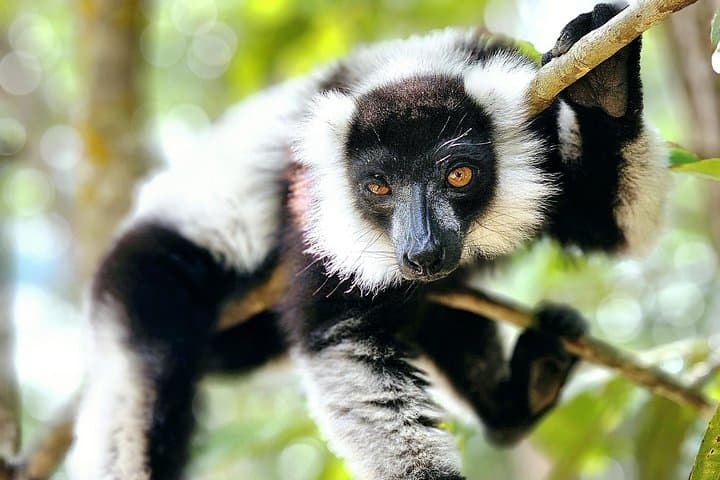
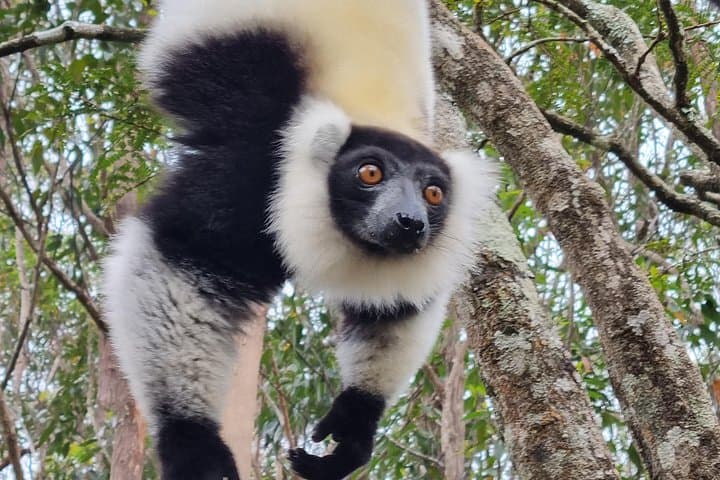
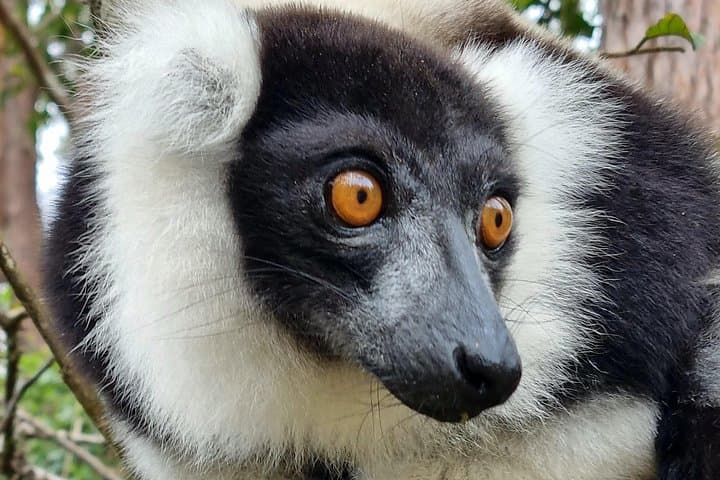
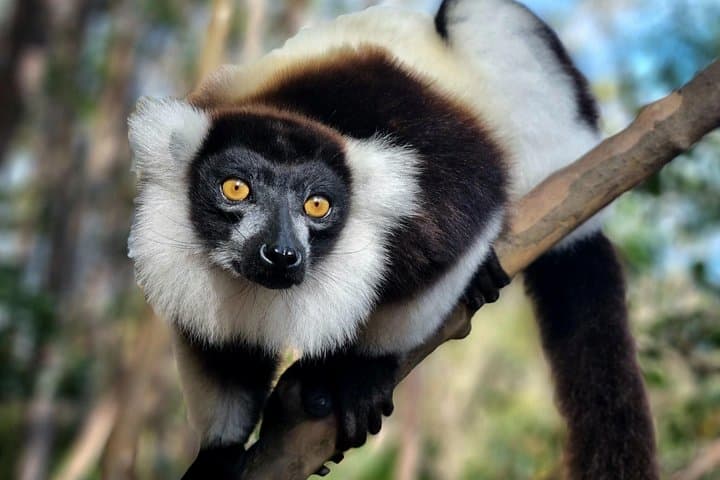
The road east from Antananarivo winds into rising green — a slow climb of cracked tarmac, rice terraces sliding past, and then the rainforest thickens, humidity hugging the skin. By late afternoon you arrive in Andasibe, where the forest breathes loudly and the indri’s long, human-like calls puncture the dusk. Night walks along narrow, muddy paths throw chameleons and nocturnal mouse lemurs into torchlight; daytime trails thread moss-draped trees and fern-carpeted gullies.
Verified experiences and guided adventures in the surrounding area.
Operated by Agence de voyage · Andasibe, Alaotra-Mangoro
The road east from Antananarivo winds into rising green — a slow climb of cracked tarmac, rice terraces sliding past, and then the rainforest thickens, humidity hugging the skin. By late afternoon you arrive in Andasibe, where the forest breathes loudly and the indri’s long, human-like calls puncture the dusk. Night walks along narrow, muddy paths throw chameleons and nocturnal mouse lemurs into torchlight; daytime trails thread moss-draped trees and fern-carpeted gullies.
Andasibe-Mantadia National Park (roughly 155 km² of protected forest, about 140 km/87 miles east of Antananarivo) protects highland tropical rainforest at elevations around 900–1,100 m. Geologically it sits on Madagascar’s ancient Precambrian basement, with steep creeks cut into lateritic soils. The area’s human history is layered: Merina highland influence radiates from Antananarivo, while local Betsimisaraka and communities around Moramanga maintain forest traditions and smallholder agriculture. Conservation here mixes government protection with community-run reserves (Vakona, Mitsinjo) that offer close-range lemur encounters and reforestation projects.
Practically, expect 3 days of guided walks—short morning treks of 4–8 km with moderate footing, occasional 100–300 m cumulative elevation change, and sticky, muddy sections after rain. Night walks are on simpler paths near lodges. Bring waterproof layers, sturdy boots with good grip, insect repellent and spare batteries for a headlamp. Morning starts are best for indri calls and bird activity; afternoons suit quieter, photographic time at Lemur Island. Guides interpret species behavior and help minimize disturbance—follow their lead. This itinerary balances wildlife viewing, short cultural stops in Antananarivo, and comfortable lodge nights for an accessible, conservation-minded rainforest immersion.
moderate.
3 days.
Suitable for people in average fitness: short to medium hikes on uneven rainforest trails, some sustained walking and standing for wildlife viewing
Dry months (May–October) are cooler and make hiking easier; the rainy season (November–April) brings lush foliage and active amphibians but muddier trails.
Yes—guided morning walks in Andasibe-Mantadia or Analamazaotra have high chances of hearing and seeing indri, especially by starting early.
The itinerary is suitable for families with children used to hiking; night walks and close lemur encounters can be exciting but require supervision and adherence to guide rules.
Consult a travel clinic; routine vaccinations are recommended and malaria prophylaxis is advised for many travelers to eastern Madagascar.
The highland Merina kingdom shaped regional trade and settlement patterns from Antananarivo; colonial-era roads opened eastern forests to visitors and agriculture.
Andasibe is threatened by shifting agriculture and logging; ecotourism and community reserves fund patrols and reforestation while guiding visitor impact management.
Agence de voyage operates guided outdoor trips and adventures with an emphasis on safety, stewardship, and memorable experiences.
The road east from Antananarivo winds into rising green — a slow climb of cracked tarmac, rice terraces sliding past, and then the rainforest thickens, humidity hugging the skin. By late afternoon you arrive in Andasibe, where the forest breathes loudly and the indri’s long, human-like calls puncture the dusk. Night walks along narrow, muddy paths throw chameleons and nocturnal mouse lemurs into torchlight; daytime trails thread moss-draped trees and fern-carpeted gullies.
The road east from Antananarivo winds into rising green — a slow climb of cracked tarmac, rice terraces sliding past, and then the rainforest thickens, humidity hugging the skin. By late afternoon you arrive in Andasibe, where the forest breathes loudly and the indri’s long, human-like calls puncture the dusk. Night walks along narrow, muddy paths throw chameleons and nocturnal mouse lemurs into torchlight; daytime trails thread moss-draped trees and fern-carpeted gullies.
Andasibe-Mantadia National Park (roughly 155 km² of protected forest, about 140 km/87 miles east of Antananarivo) protects highland tropical rainforest at elevations around 900–1,100 m. Geologically it sits on Madagascar’s ancient Precambrian basement, with steep creeks cut into lateritic soils. The area’s human history is layered: Merina highland influence radiates from Antananarivo, while local Betsimisaraka and communities around Moramanga maintain forest traditions and smallholder agriculture. Conservation here mixes government protection with community-run reserves (Vakona, Mitsinjo) that offer close-range lemur encounters and reforestation projects.
Practically, expect 3 days of guided walks—short morning treks of 4–8 km with moderate footing, occasional 100–300 m cumulative elevation change, and sticky, muddy sections after rain. Night walks are on simpler paths near lodges. Bring waterproof layers, sturdy boots with good grip, insect repellent and spare batteries for a headlamp. Morning starts are best for indri calls and bird activity; afternoons suit quieter, photographic time at Lemur Island. Guides interpret species behavior and help minimize disturbance—follow their lead. This itinerary balances wildlife viewing, short cultural stops in Antananarivo, and comfortable lodge nights for an accessible, conservation-minded rainforest immersion.