THE ADVENTURE COLLECTIVE® · Independent discovery and booking for outdoor travel

See Angkor’s great temples before the crowds on a three-day private itinerary that pairs sunrise at Angkor Wat with quieter sites like Banteay Srei and Beng Mealea. Vehicle support, bottled water and a private English-speaking driver keep the focus on exploration and culture.
See Angkor’s great temples before the crowds on a three-day private itinerary that pairs sunrise at Angkor Wat with quieter sites like Banteay Srei and Beng Mealea. Vehicle support, bottled water and a private English-speaking driver keep the focus on exploration and culture.
Before sunrise the moat glassily accepts the first light and Angkor Wat's towers silhouette like teeth against the sky. This three-day private tour moves at that precise pace—early light, quiet corridors, late-afternoon vistas—so you see the archaeology before the crowds arrive.
Verified experiences and guided adventures in the surrounding area.
Operated by Khmer Temples & Nature · Siem Reap, Siem Reap Province
Before sunrise the moat glassily accepts the first light and Angkor Wat's towers silhouette like teeth against the sky. This three-day private tour moves at that precise pace—early light, quiet corridors, late-afternoon vistas—so you see the archaeology before the crowds arrive.
The route threads older temple mountains and later classical complexes: 9th–12th century brick and sandstone that map the Khmer Empire's rise and ritual life. You pass Hariharalaya ruins—Preah Ko, Bakong, Lolei—then arc out to Beng Mealea and the pink sandstone reliefs of Banteay Srei. The third day is devoted to Angkor Wat itself, with Ta Prohm’s strangler figs and Bayon’s smiling faces offering a vivid contrast in style and era.
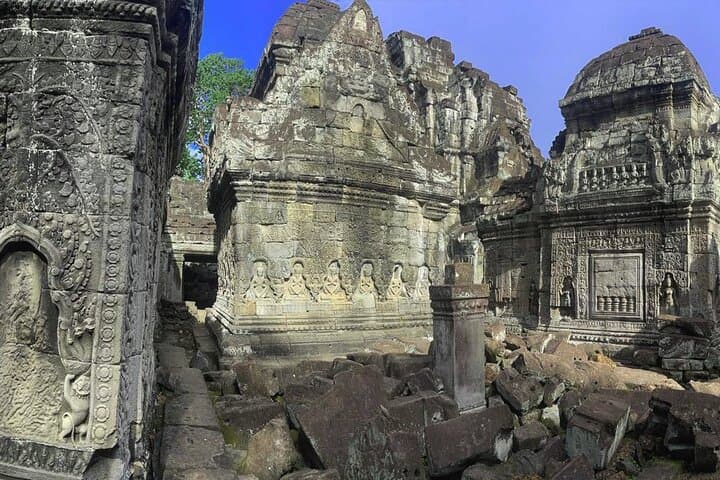
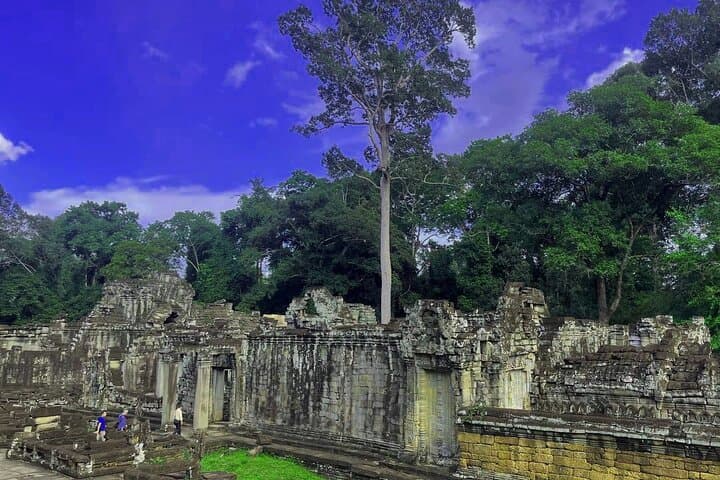
Geology here is plain: laterite foundations with soft sandstone façades, easily eroded by tropical rains, which explains the tapestry of root-covered stones and collapsed galleries. Culturally, these sites range from royal mausoleums to local shrines—still meaningful to Khmer villagers nearby.
Practically, this is a low-impact, vehicle-supported itinerary—most walking is short stretches on uneven stone, not long treks. Bring sun protection, cash for the Angkor pass and small vendors, and expect humid mornings and hotter afternoons. Your private driver and bottled water ease logistics; temples require respectful clothing and steady footing.
If you want fewer people in your photos, aim for the earliest sunrise sessions and plan longer pauses at lesser-known ruined galleries. The tour balances immersive history with pragmatic comfort: three days of active exploration without roughing it.
easy.
3 days.
Suitable for most fitness levels; expect short walks of 15–60 minutes on uneven stone surfaces and some steps.
Admission is not included by default; travelers should confirm with the operator—many tours can pre-purchase the multi-day Angkor pass on your behalf.
The operator lists wheelchair-accessible options for transportation and many flat temple areas, but some temples have steps and uneven ground—contact the provider to plan accessibility needs.
Walking is limited to short stretches around each temple (typically 15–60 minutes), with vehicle transfers between sites—no long-distance hiking is required.
Tipping is customary; small cash tips for your driver and guide at the end of the tour are appreciated and common.
The Angkor complex spans centuries (9th–13th) and reflects a shift from Hindu temple-mountain architecture to Buddhist state temples under successive Khmer rulers.
Visitor numbers and tropical weather stress fragile sandstone and laterite; follow marked paths, avoid touching delicate bas-reliefs, and use refillable bottles to reduce waste.
Khmer Temples & Nature operates guided outdoor trips and adventures with an emphasis on safety, stewardship, and memorable experiences.
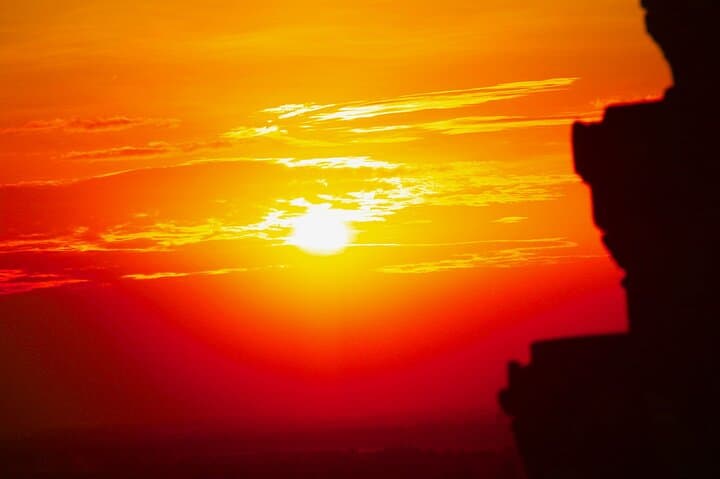
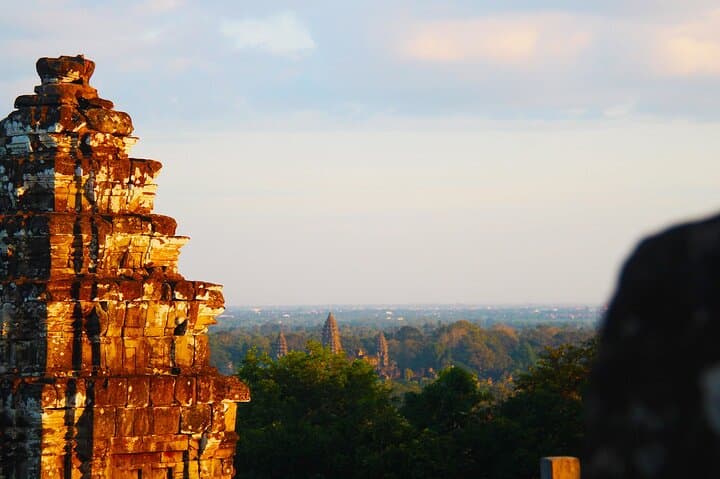
Before sunrise the moat glassily accepts the first light and Angkor Wat's towers silhouette like teeth against the sky. This three-day private tour moves at that precise pace—early light, quiet corridors, late-afternoon vistas—so you see the archaeology before the crowds arrive.
Before sunrise the moat glassily accepts the first light and Angkor Wat's towers silhouette like teeth against the sky. This three-day private tour moves at that precise pace—early light, quiet corridors, late-afternoon vistas—so you see the archaeology before the crowds arrive.
The route threads older temple mountains and later classical complexes: 9th–12th century brick and sandstone that map the Khmer Empire's rise and ritual life. You pass Hariharalaya ruins—Preah Ko, Bakong, Lolei—then arc out to Beng Mealea and the pink sandstone reliefs of Banteay Srei. The third day is devoted to Angkor Wat itself, with Ta Prohm’s strangler figs and Bayon’s smiling faces offering a vivid contrast in style and era.
Geology here is plain: laterite foundations with soft sandstone façades, easily eroded by tropical rains, which explains the tapestry of root-covered stones and collapsed galleries. Culturally, these sites range from royal mausoleums to local shrines—still meaningful to Khmer villagers nearby.
Practically, this is a low-impact, vehicle-supported itinerary—most walking is short stretches on uneven stone, not long treks. Bring sun protection, cash for the Angkor pass and small vendors, and expect humid mornings and hotter afternoons. Your private driver and bottled water ease logistics; temples require respectful clothing and steady footing.
If you want fewer people in your photos, aim for the earliest sunrise sessions and plan longer pauses at lesser-known ruined galleries. The tour balances immersive history with pragmatic comfort: three days of active exploration without roughing it.