THE ADVENTURE COLLECTIVE® · Independent discovery and booking for outdoor travel

A full-day private drive from Athens or Nafplio that links the austere remains of Sparta with the trading heart of Ancient Corinth. Expect dramatic roadside geology, hands-on olive-culture history, and walking visits to museums and ruins.
A full-day private drive from Athens or Nafplio that links the austere remains of Sparta with the trading heart of Ancient Corinth. Expect dramatic roadside geology, hands-on olive-culture history, and walking visits to museums and ruins.
You leave Athens before dawn and the city’s rumble thins behind you as the coast slips past the window. The road down the Isthmus shortens Athens’ skylines into memory; the narrow cut of the Corinth Canal appears like a man-made seam between two seas, daring you to cross.
Verified experiences and guided adventures in the surrounding area.
Operated by GREECE TAXI · Athens, Attica
You leave Athens before dawn and the city’s rumble thins behind you as the coast slips past the window. The road down the Isthmus shortens Athens’ skylines into memory; the narrow cut of the Corinth Canal appears like a man-made seam between two seas, daring you to cross.
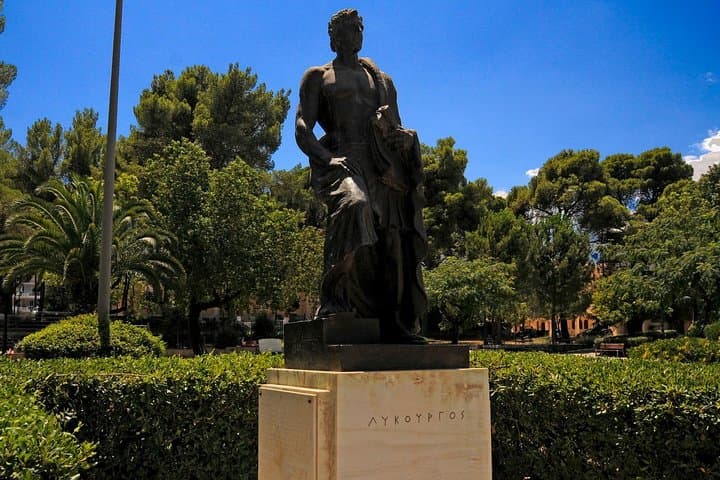
By mid-morning you’re driving through olive-silvered slopes and the folded limestone of the Peloponnese toward Sparta — a city whose reputation for discipline still hangs in the air around its museum and ruined acropolis. Sparta’s archaeological remains, the Leonidas statue and the late-classical theater tell a blunt story: power organized for war, civic life arranged around training, honor, and austerity.
Geology here is visible in broken white marble and the scrubby calcareous soils that feed centuries-old olive trees — those trees are cultural as well as botanical, honored in local museums and tasted on site. Ancient Corinth returns you to a mercantile, coastal Greece: monumental temples, Roman-era marketplaces and the lighthouse of a trading hub now reduced to stone outlines and museum cases where artifacts keep the voices of commerce alive.
Practicalities: this is a private, roughly 10-hour drive-and-walk day. Expect several short walks on uneven ancient stone, brief museum stops (check closure days — some museums close Tuesdays), and time in the van between sites. Bring sturdy walking shoes, sun protection and water, and plan for modest entrance fees paid locally. If you want in-depth archaeological interpretation on site, hire a licensed guide in advance; drivers provide documentary narration and local logistics.
easy.
10 hours.
Suitable for most fitness levels; requires standing and walking on uneven ancient stone for short periods.
No — site and museum entrance fees are typically paid on arrival; combine tickets exist for some sites like Ancient Corinth.
Yes — pick-up and drop-off in Athens, Piraeus and Nafplio are offered; confirm your exact pickup point when booking.
The driver provides historical commentary and a documentary audio, but a licensed archaeologist guide is not included and must be hired separately if you want detailed site tours.
Expect several hours of driving total — Athens to Sparta is roughly 3 hours each way with stops; the itinerary is paced for a full 10-hour day.
Sparta’s social system was famously oriented toward military training and civic discipline; Ancient Corinth was a major commercial hub in antiquity and later enters Christian history through Paul’s letters.
Many ruins are vulnerable to erosion and visitor wear — stick to designated paths and avoid touching fragile masonry; supporting local museums and responsible guides helps fund preservation.
GREECE TAXI operates guided outdoor trips and adventures with an emphasis on safety, stewardship, and memorable experiences.

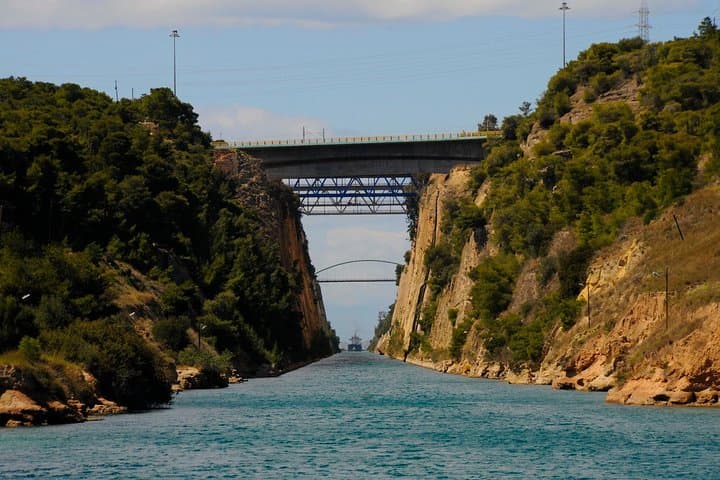
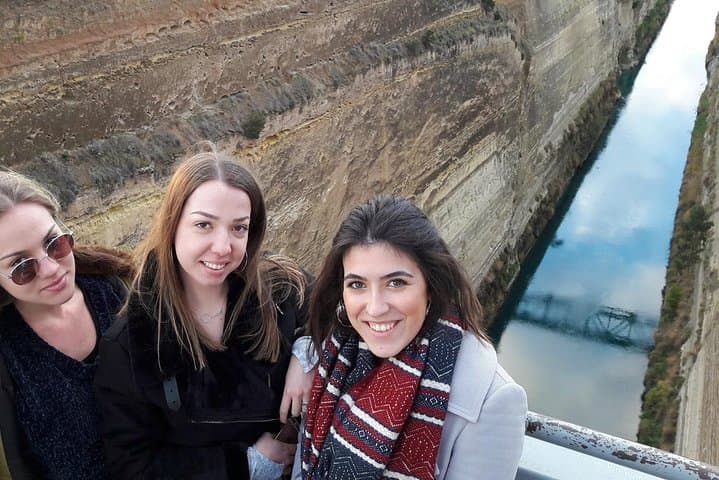
You leave Athens before dawn and the city’s rumble thins behind you as the coast slips past the window. The road down the Isthmus shortens Athens’ skylines into memory; the narrow cut of the Corinth Canal appears like a man-made seam between two seas, daring you to cross.
You leave Athens before dawn and the city’s rumble thins behind you as the coast slips past the window. The road down the Isthmus shortens Athens’ skylines into memory; the narrow cut of the Corinth Canal appears like a man-made seam between two seas, daring you to cross.
By mid-morning you’re driving through olive-silvered slopes and the folded limestone of the Peloponnese toward Sparta — a city whose reputation for discipline still hangs in the air around its museum and ruined acropolis. Sparta’s archaeological remains, the Leonidas statue and the late-classical theater tell a blunt story: power organized for war, civic life arranged around training, honor, and austerity.
Geology here is visible in broken white marble and the scrubby calcareous soils that feed centuries-old olive trees — those trees are cultural as well as botanical, honored in local museums and tasted on site. Ancient Corinth returns you to a mercantile, coastal Greece: monumental temples, Roman-era marketplaces and the lighthouse of a trading hub now reduced to stone outlines and museum cases where artifacts keep the voices of commerce alive.
Practicalities: this is a private, roughly 10-hour drive-and-walk day. Expect several short walks on uneven ancient stone, brief museum stops (check closure days — some museums close Tuesdays), and time in the van between sites. Bring sturdy walking shoes, sun protection and water, and plan for modest entrance fees paid locally. If you want in-depth archaeological interpretation on site, hire a licensed guide in advance; drivers provide documentary narration and local logistics.