THE ADVENTURE COLLECTIVE® · Independent discovery and booking for outdoor travel

Traverse the core of the Silk Road in six days: Tashkent’s modern avenues, Samarkand’s turquoise madrasahs, and Bukhara’s timeless trading domes. This guided itinerary blends high-speed trains and expert commentary with time to explore bazaars and historic sites.
Traverse the core of the Silk Road in six days: Tashkent’s modern avenues, Samarkand’s turquoise madrasahs, and Bukhara’s timeless trading domes. This guided itinerary blends high-speed trains and expert commentary with time to explore bazaars and historic sites.
Morning light slices across Tashkent’s wide boulevards as the group assembles for a journey that moves like a history lesson through stone and tile. The first day is quiet—hotel check-in and a slow walk into the Old City—before the rhythm of trains and bazaars takes over.
Verified experiences and guided adventures in the surrounding area.
Operated by Assalam Travel · Tashkent, Tashkent
Morning light slices across Tashkent’s wide boulevards as the group assembles for a journey that moves like a history lesson through stone and tile. The first day is quiet—hotel check-in and a slow walk into the Old City—before the rhythm of trains and bazaars takes over.
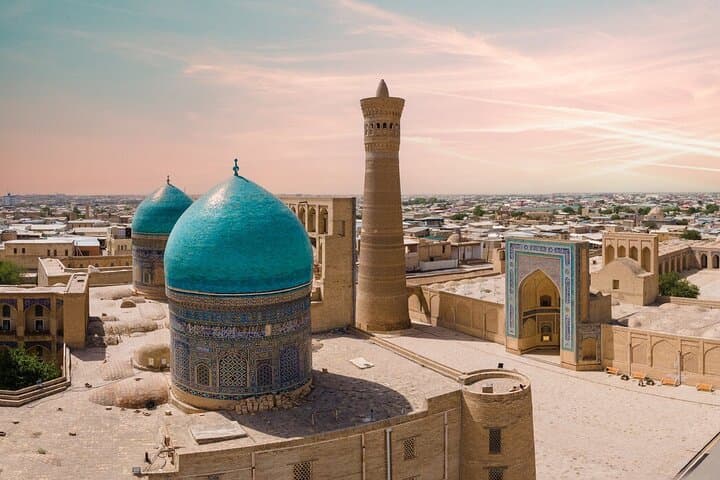
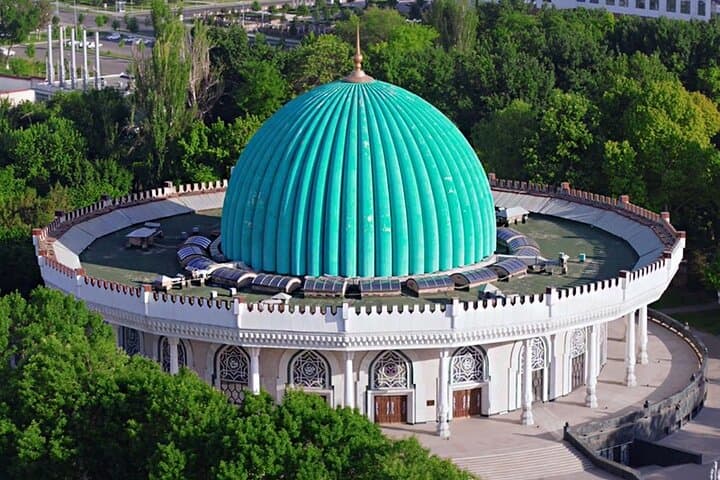
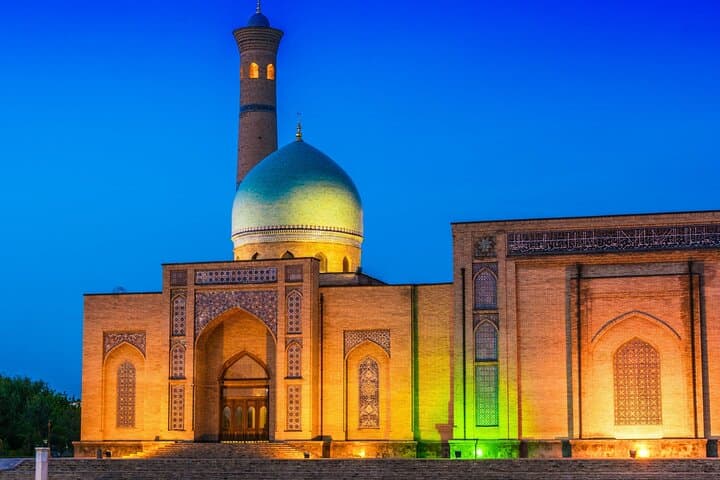
Over six days travelers meet Uzbekistan’s layers: Soviet-era avenues in Tashkent, the turquoise domes of Samarkand, and the ochre alleys of Bukhara. Geology surfaces in brick and clay—the region’s sun-baked mudbrick and fired-clay domes reflect centuries of local technique. Culture arrives in market calls, tea poured from brass samovars, and madrasa courtyards where students once debated astronomy and law.
The tour follows high-speed Afrosiyob rails and short drives, with guided stops at Hazrati Imam, Registan, Gur-Emir, Shah-i-Zinda, Lyabi-Hauz, the Ark Fortress and Samanid monuments. Guides contextualize Timur’s empire, Silk Road trade routes, and the continuity of Uzbek crafts—tilework, embroidery, and bread-making—while giving time for independent exploration of bazaars.
Practical edge: expect a mix of walking on paved squares and uneven historic surfaces, seasonal heat in summer and crisp, short days in winter. Hotels are 3–4*, breakfasts included; train tickets and most entry fees are covered. Carry local currency for small purchases, bring sun protection and comfortable walking shoes, and allow for slower moments—Uzbek cities reward curiosity as much as planning.
easy.
5–6 days.
Suitable for most fitness levels; involves several days of walking on paved and uneven surfaces.
Yes—high-speed Afrosiyob train tickets between Tashkent, Samarkand and Bukhara are included in the itinerary.
Visa requirements vary by nationality; travelers should confirm current entry rules and passport validity (commonly six months) with their embassy before booking.
Many transport and hotel services are wheelchair accessible and the operator notes accessibility, but some historic sites have steps and uneven surfaces—check specific needs when booking.
Uzbekistan’s currency is the Uzbek som (UZS). Cards work in larger hotels and shops, but bring cash for markets and smaller vendors.
These cities were major Silk Road hubs; Samarkand and Bukhara flourished under Timurid and earlier Persianate dynasties, leaving dense layers of monuments.
Restoration projects protect fragile tilework and mausoleums—tourists should avoid touching decorated surfaces and support local guides and handicraft sellers to keep heritage sustainable.
Assalam Travel operates guided outdoor trips and adventures with an emphasis on safety, stewardship, and memorable experiences.

Morning light slices across Tashkent’s wide boulevards as the group assembles for a journey that moves like a history lesson through stone and tile. The first day is quiet—hotel check-in and a slow walk into the Old City—before the rhythm of trains and bazaars takes over.
Morning light slices across Tashkent’s wide boulevards as the group assembles for a journey that moves like a history lesson through stone and tile. The first day is quiet—hotel check-in and a slow walk into the Old City—before the rhythm of trains and bazaars takes over.
Over six days travelers meet Uzbekistan’s layers: Soviet-era avenues in Tashkent, the turquoise domes of Samarkand, and the ochre alleys of Bukhara. Geology surfaces in brick and clay—the region’s sun-baked mudbrick and fired-clay domes reflect centuries of local technique. Culture arrives in market calls, tea poured from brass samovars, and madrasa courtyards where students once debated astronomy and law.
The tour follows high-speed Afrosiyob rails and short drives, with guided stops at Hazrati Imam, Registan, Gur-Emir, Shah-i-Zinda, Lyabi-Hauz, the Ark Fortress and Samanid monuments. Guides contextualize Timur’s empire, Silk Road trade routes, and the continuity of Uzbek crafts—tilework, embroidery, and bread-making—while giving time for independent exploration of bazaars.
Practical edge: expect a mix of walking on paved squares and uneven historic surfaces, seasonal heat in summer and crisp, short days in winter. Hotels are 3–4*, breakfasts included; train tickets and most entry fees are covered. Carry local currency for small purchases, bring sun protection and comfortable walking shoes, and allow for slower moments—Uzbek cities reward curiosity as much as planning.