THE ADVENTURE COLLECTIVE® · Independent discovery and booking for outdoor travel

Walk through Rome’s living layers—from Bernini’s fountains to Trajan’s Market—while a guide stitches history, film lore and local life into a 2–3 hour route. Finish on a high note with gelato from a vetted artisan shop.
Walk through Rome’s living layers—from Bernini’s fountains to Trajan’s Market—while a guide stitches history, film lore and local life into a 2–3 hour route. Finish on a high note with gelato from a vetted artisan shop.
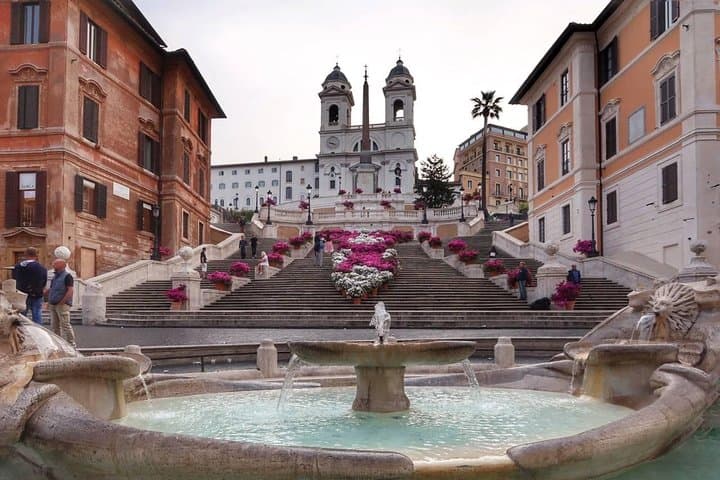
You step onto sun-warmed cobblestones in Piazza Navona, church bells folding into the hum of scooters and conversation. The guide’s voice threads through Bernini’s fountains as you circle the square, fingers of spray daring you closer and the facades of Baroque palazzi watching like patient hosts.
Verified experiences and guided adventures in the surrounding area.
Operated by Rome guided tours · Rome, Lazio
You step onto sun-warmed cobblestones in Piazza Navona, church bells folding into the hum of scooters and conversation. The guide’s voice threads through Bernini’s fountains as you circle the square, fingers of spray daring you closer and the facades of Baroque palazzi watching like patient hosts.
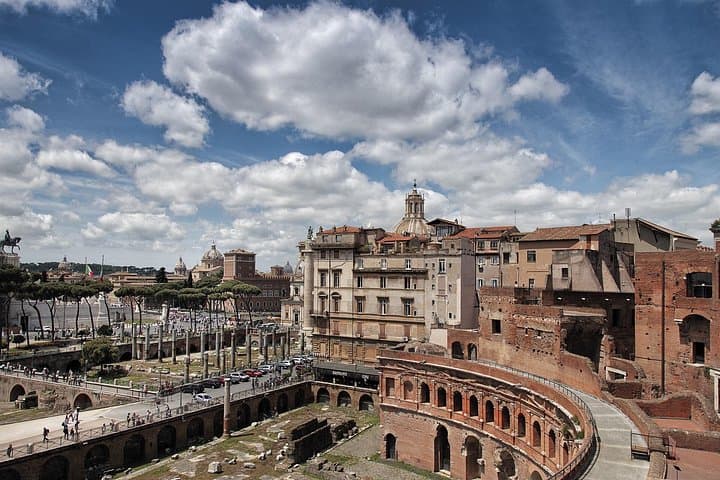
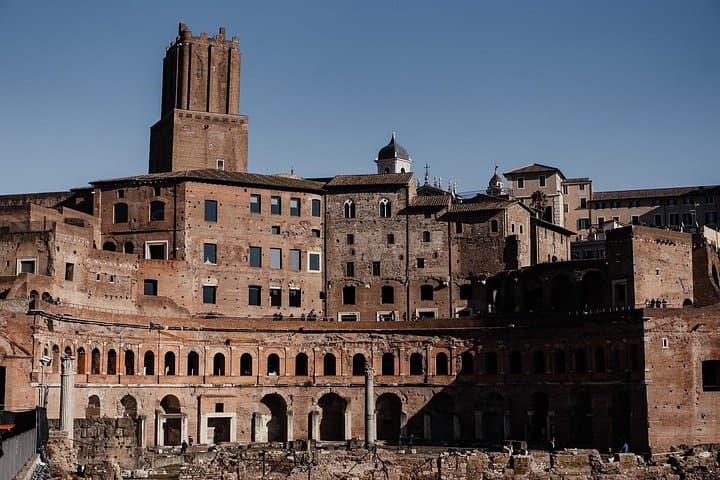
This route threads together layers of Roman history: the Imperial forums and Trajan’s Market, where stone and brick record Rome’s commercial genius; narrow medieval lanes that grew atop ancient foundations; and the glass-and-iron vault of Galleria Sciarra, a late 19th-century flourish. Geologically, the city rises on Pleistocene tufa and travertine quarries that shaped building techniques and city form; culturally, every piazza carries a ritual — coffee at dawn, passeggiata at dusk.
Expect concise storytelling rather than textbook recitation: anecdotes about emperors, artists and film scenes punctuate stops, and your guide points out details most visitors miss — worn footsteps in marble thresholds, hidden fresco fragments, pockets of local life between monuments.
Practical notes: the tour lasts roughly 2–3 hours and covers uneven cobbles and frequent short stairways; bring comfortable, grippy footwear and a refillable water bottle. Pickpockets favor tourist clusters, so keep valuables secure. Timing matters — mornings and late afternoons are cooler and less crowded. Finish with a gelato from a vetted gelateria; choose a fruit or cream flavor made with seasonal ingredients and avoid overly glossy, neon-colored varieties. This walking tour pairs sensory immediacy with practical pacing, ideal for first-time visitors who want history served in human scale.
easy.
2–3 hours.
Suitable for most fitness levels; requires standing and walking on uneven stone for 2–3 hours.
Most departures are in Piazza Navona; check your voucher for the exact meeting point and arrive 10 minutes early.
Children are welcome but infants must sit on laps; the pace includes walking and short explanations rather than long museum visits.
This tour focuses on outdoor sites and storytelling; admissions to paid museums are generally not included unless specified.
Guides typically select a gelateria with standard options; inquire ahead about dairy-free or allergy-friendly flavors and they will advise alternatives.
The tour follows streets layered over ancient Rome — Trajan’s Market functioned as an early imperial commercial hub while Piazza Navona occupies the footprint of Domitian’s stadium.
Walking tours minimize emissions compared with vehicle tours; support local sustainability by choosing gelaterias that source seasonal, local ingredients and avoid single-use plastics.
Rome guided tours operates guided outdoor trips and adventures with an emphasis on safety, stewardship, and memorable experiences.

You step onto sun-warmed cobblestones in Piazza Navona, church bells folding into the hum of scooters and conversation. The guide’s voice threads through Bernini’s fountains as you circle the square, fingers of spray daring you closer and the facades of Baroque palazzi watching like patient hosts.
You step onto sun-warmed cobblestones in Piazza Navona, church bells folding into the hum of scooters and conversation. The guide’s voice threads through Bernini’s fountains as you circle the square, fingers of spray daring you closer and the facades of Baroque palazzi watching like patient hosts.
This route threads together layers of Roman history: the Imperial forums and Trajan’s Market, where stone and brick record Rome’s commercial genius; narrow medieval lanes that grew atop ancient foundations; and the glass-and-iron vault of Galleria Sciarra, a late 19th-century flourish. Geologically, the city rises on Pleistocene tufa and travertine quarries that shaped building techniques and city form; culturally, every piazza carries a ritual — coffee at dawn, passeggiata at dusk.
Expect concise storytelling rather than textbook recitation: anecdotes about emperors, artists and film scenes punctuate stops, and your guide points out details most visitors miss — worn footsteps in marble thresholds, hidden fresco fragments, pockets of local life between monuments.
Practical notes: the tour lasts roughly 2–3 hours and covers uneven cobbles and frequent short stairways; bring comfortable, grippy footwear and a refillable water bottle. Pickpockets favor tourist clusters, so keep valuables secure. Timing matters — mornings and late afternoons are cooler and less crowded. Finish with a gelato from a vetted gelateria; choose a fruit or cream flavor made with seasonal ingredients and avoid overly glossy, neon-colored varieties. This walking tour pairs sensory immediacy with practical pacing, ideal for first-time visitors who want history served in human scale.