THE ADVENTURE COLLECTIVE® · Independent discovery and booking for outdoor travel

Walk the streets of Rome’s ancient port with a kid-focused guide who turns ruins into a playground of stories and hands-on activities. This 2.5-hour tour mixes archaeology, games and practical tips to keep families engaged.
Walk the streets of Rome’s ancient port with a kid-focused guide who turns ruins into a playground of stories and hands-on activities. This 2.5-hour tour mixes archaeology, games and practical tips to keep families engaged.
You arrive at the Ostia Antica ticket area and the air smells faintly of salt and dried grass; stone streets run cool beneath your shoes and a child's question echoes off a collapsed wall. The 2.5-hour guided tour opens the site like a storybook — theater seating, bath complexes, warehouses and mosaicked homes laid out along an almost-flat grid that once served Rome's harbor.
Verified experiences and guided adventures in the surrounding area.
Operated by Raphael Tours & Events · Ostia Antica (Rome), Lazio
You arrive at the Ostia Antica ticket area and the air smells faintly of salt and dried grass; stone streets run cool beneath your shoes and a child's question echoes off a collapsed wall. The 2.5-hour guided tour opens the site like a storybook — theater seating, bath complexes, warehouses and mosaicked homes laid out along an almost-flat grid that once served Rome's harbor.
Ostia Antica was Rome’s principal seaport from the 4th century BCE through late antiquity. The site reveals commercial architecture: guild offices, warehouses and the Square of the Guilds where grain and goods changed hands. Geologically, the plain is recent alluvial soil deposited near the Tiber mouth; the landscape is low and level with minimal elevation change, which makes the ruins widely accessible but prone to seasonal humidity and mud.
Culturally, Ostia offers a glimpse at daily Roman life rather than imperial monuments — graffiti, apartment blocks (insulae), and street shops speak to ordinary citizens. For families, guides use games, treasure hunts and worksheets to bring these details to life without losing pace.
Practical guidance: expect 1–2 miles of walking on uneven ancient stone and packed earth with occasional steps; elevation gain is negligible. Wear sturdy shoes with grip, bring water, and plan for sun protection in summer. Trains from Rome stop nearby and the site is stroller- and wheelchair-accessible in large areas, though some ruins have steps. Morning visits avoid heat and crowds; winter can be damp, so layers and waterproof shoes help. The guide adapts the route to children’s attention spans — bring snacks and curiosity, and the past will answer.
easy.
2–3 hours.
Light walking for families and most fitness levels; suitable for children and seniors with basic mobility.
The tour lasts about 2.5 hours and covers roughly 1–2 miles (1.5–3 km) on mostly flat, uneven surfaces with occasional steps.
Much of the archaeological park is accessible, but some areas have steps or rough stone; contact the operator for specific accessibility routes.
This tour includes admission to Ostia Antica as part of the booking — confirm on your voucher and arrive a few minutes early for ticketing.
Designed for families and children, activities are tailored to keep younger visitors engaged; all ages are welcome, with itineraries adjusted for attention spans.
Ostia Antica served as Rome’s primary seaport; its decline followed changes in the Tiber’s course and malaria in the late Roman period, leaving a preserved snapshot of urban life.
The park balances visitor access with preservation; stick to marked paths and avoid touching mosaics to protect fragile surfaces from wear.
Raphael Tours & Events operates guided outdoor trips and adventures with an emphasis on safety, stewardship, and memorable experiences.
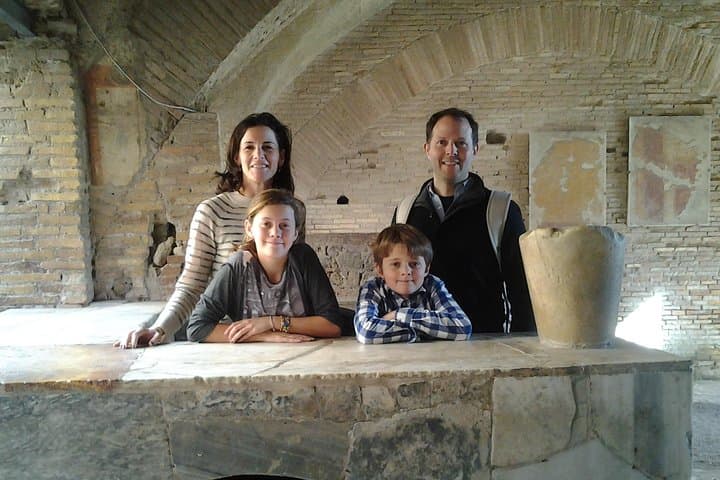
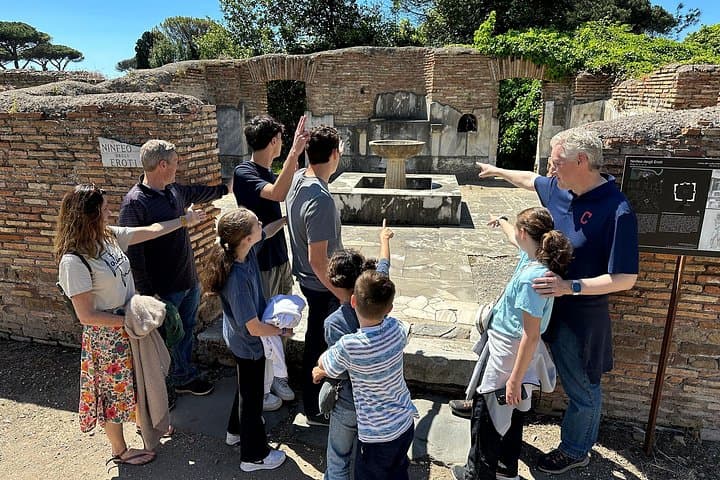
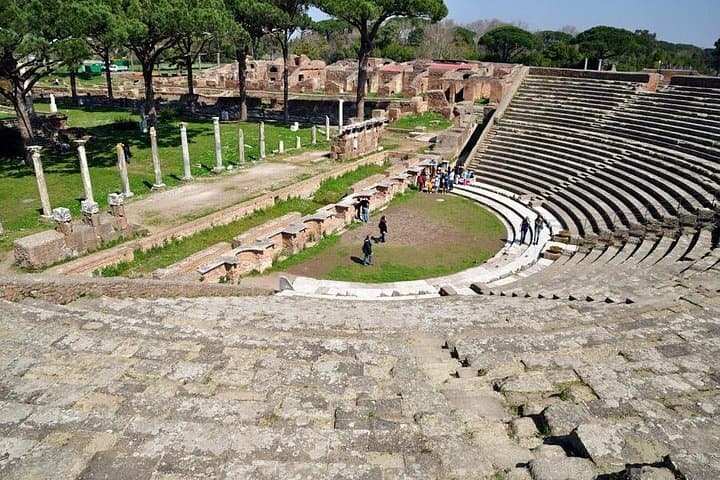
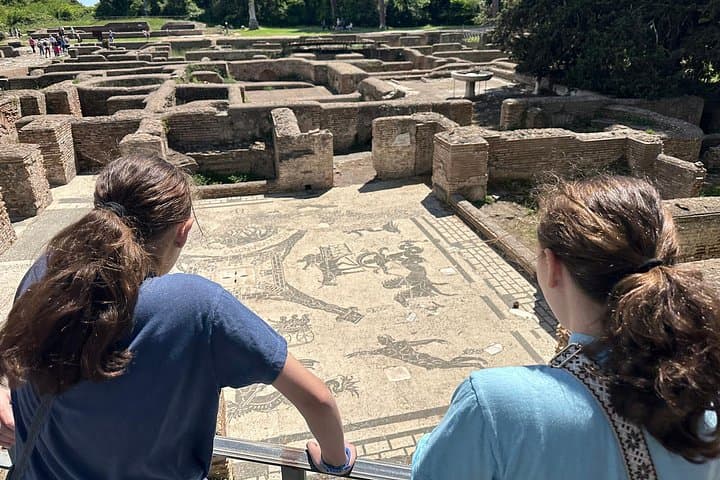
You arrive at the Ostia Antica ticket area and the air smells faintly of salt and dried grass; stone streets run cool beneath your shoes and a child's question echoes off a collapsed wall. The 2.5-hour guided tour opens the site like a storybook — theater seating, bath complexes, warehouses and mosaicked homes laid out along an almost-flat grid that once served Rome's harbor.
You arrive at the Ostia Antica ticket area and the air smells faintly of salt and dried grass; stone streets run cool beneath your shoes and a child's question echoes off a collapsed wall. The 2.5-hour guided tour opens the site like a storybook — theater seating, bath complexes, warehouses and mosaicked homes laid out along an almost-flat grid that once served Rome's harbor.
Ostia Antica was Rome’s principal seaport from the 4th century BCE through late antiquity. The site reveals commercial architecture: guild offices, warehouses and the Square of the Guilds where grain and goods changed hands. Geologically, the plain is recent alluvial soil deposited near the Tiber mouth; the landscape is low and level with minimal elevation change, which makes the ruins widely accessible but prone to seasonal humidity and mud.
Culturally, Ostia offers a glimpse at daily Roman life rather than imperial monuments — graffiti, apartment blocks (insulae), and street shops speak to ordinary citizens. For families, guides use games, treasure hunts and worksheets to bring these details to life without losing pace.
Practical guidance: expect 1–2 miles of walking on uneven ancient stone and packed earth with occasional steps; elevation gain is negligible. Wear sturdy shoes with grip, bring water, and plan for sun protection in summer. Trains from Rome stop nearby and the site is stroller- and wheelchair-accessible in large areas, though some ruins have steps. Morning visits avoid heat and crowds; winter can be damp, so layers and waterproof shoes help. The guide adapts the route to children’s attention spans — bring snacks and curiosity, and the past will answer.