THE ADVENTURE COLLECTIVE® · Independent discovery and booking for outdoor travel

Head west from Athens to the Corinth Canal and on to Ancient Olympia for a day of archaeology, museum highlights and a hands-on olive oil tasting. Expect a long but accessible day that pairs easy walking with rich cultural context.
Head west from Athens to the Corinth Canal and on to Ancient Olympia for a day of archaeology, museum highlights and a hands-on olive oil tasting. Expect a long but accessible day that pairs easy walking with rich cultural context.
You leave Athens in the low light of morning, the city giving way to factories and then the blue drop of the Saronic Gulf. The road runs with a view of small islands, then narrows alongside the 19th‑century cut of the Corinth Canal — a sudden, cinematic slice of water that forces drivers to pause for photos and quiet wonder.
Verified experiences and guided adventures in the surrounding area.
Operated by The Travel Insiders · Ancient Olympia, Western Greece
You leave Athens in the low light of morning, the city giving way to factories and then the blue drop of the Saronic Gulf. The road runs with a view of small islands, then narrows alongside the 19th‑century cut of the Corinth Canal — a sudden, cinematic slice of water that forces drivers to pause for photos and quiet wonder.
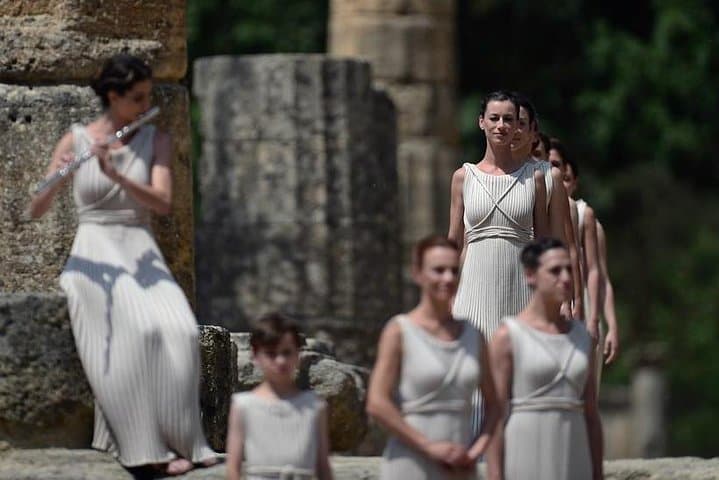
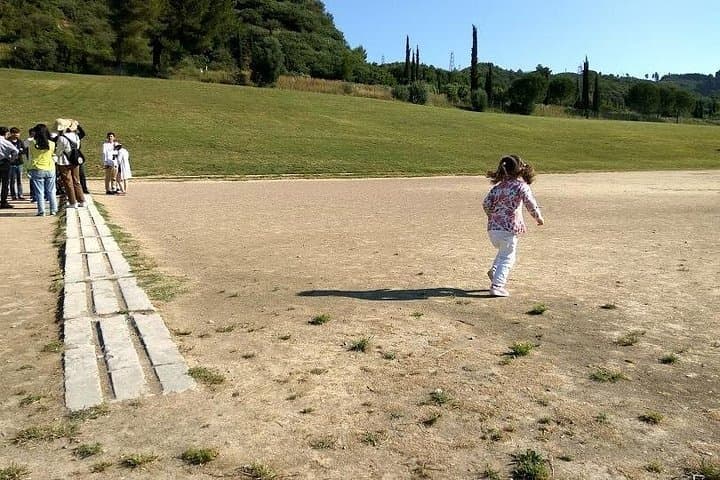
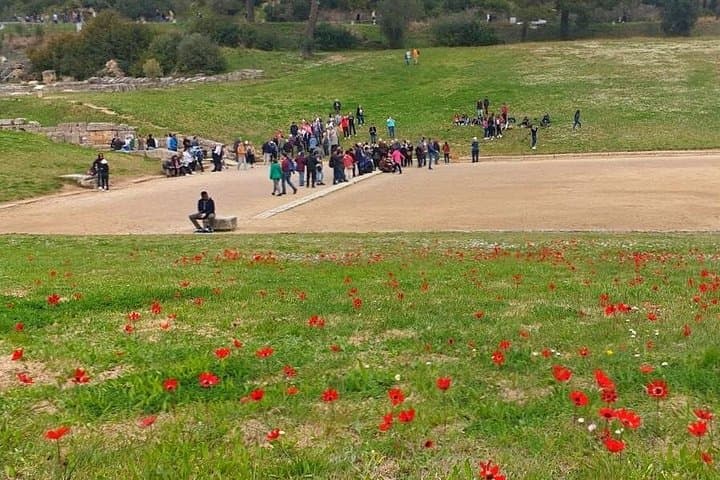
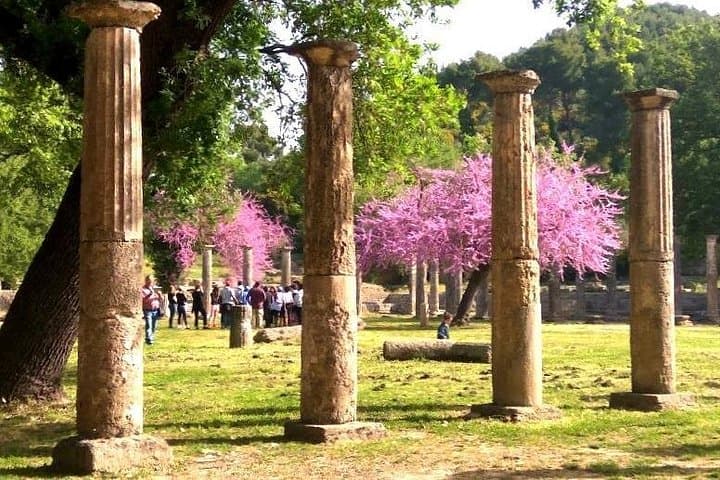
The route continues through the olive-studded hills of the Peloponnese toward Ancient Olympia, where stone and shadow mark the birthplace of the Olympic Games. Here the gymnasium, palestra and the Temple of Zeus sit under broad plane trees; the air carries cicadas and the faint, peppery scent of olive oil. The nearby Archaeological Museum keeps original pediments and the Hermes of Praxiteles, works that explain why Olympia mattered to ancient Greeks and to later artists.
After study comes taste: a local market presentation introduces regional olive oils and table olives, pairing history with a practical lesson in flavor. Time in the modern village allows for coffee, souvlaki or last-minute shopping before the drive back to Athens.
Practical guidance: expect a long day (7–9 hours) and moderate walking on uneven ancient stones. Wear sturdy shoes, sun protection, and carry water. Museum hours vary by season; guided options add context but are optional. The itinerary suits most fitness levels and includes private transport and pick-up/drop-off, making this a convenient single-day immersion in Greek history, landscape and food culture.
easy.
7–9 hours.
Suitable for most fitness levels; includes short walks on uneven terrain and some standing during museum visits.
The itinerary lists admissions as not included for most options; check your booking details—some packages offer guided tours that include museum entry.
Expect two to three hours of walking total at the site and museum on uneven ancient stone; most stops around the village are short and relaxed.
Yes—private transportation with pickup and drop-off is provided; confirm your exact pickup point when booking.
The booking notes indicate wheelchair accessibility for transportation, but parts of the archaeological site have uneven surfaces that can be difficult; contact the operator for specific accessibility arrangements.
Olympia was the religious and athletic center of Greece where the Olympic Games began in the 8th century BCE; Phidias’ colossal Statue of Zeus once stood in the temple here.
The archaeological site enforces pathways and limited access to protect fragile remains; support local conservation by staying on marked routes and avoiding flash photography on fragile artifacts.
The Travel Insiders operates guided outdoor trips and adventures with an emphasis on safety, stewardship, and memorable experiences.
You leave Athens in the low light of morning, the city giving way to factories and then the blue drop of the Saronic Gulf. The road runs with a view of small islands, then narrows alongside the 19th‑century cut of the Corinth Canal — a sudden, cinematic slice of water that forces drivers to pause for photos and quiet wonder.
You leave Athens in the low light of morning, the city giving way to factories and then the blue drop of the Saronic Gulf. The road runs with a view of small islands, then narrows alongside the 19th‑century cut of the Corinth Canal — a sudden, cinematic slice of water that forces drivers to pause for photos and quiet wonder.
The route continues through the olive-studded hills of the Peloponnese toward Ancient Olympia, where stone and shadow mark the birthplace of the Olympic Games. Here the gymnasium, palestra and the Temple of Zeus sit under broad plane trees; the air carries cicadas and the faint, peppery scent of olive oil. The nearby Archaeological Museum keeps original pediments and the Hermes of Praxiteles, works that explain why Olympia mattered to ancient Greeks and to later artists.
After study comes taste: a local market presentation introduces regional olive oils and table olives, pairing history with a practical lesson in flavor. Time in the modern village allows for coffee, souvlaki or last-minute shopping before the drive back to Athens.
Practical guidance: expect a long day (7–9 hours) and moderate walking on uneven ancient stones. Wear sturdy shoes, sun protection, and carry water. Museum hours vary by season; guided options add context but are optional. The itinerary suits most fitness levels and includes private transport and pick-up/drop-off, making this a convenient single-day immersion in Greek history, landscape and food culture.