THE ADVENTURE COLLECTIVE® · Independent discovery and booking for outdoor travel

A full-day cultural loop from Tbilisi that links UNESCO churches, a Soviet-era museum, and an ancient rock city. Expect easy walks, dramatic views over the Mtkvari valley, and a compact primer on Georgian history.
A full-day cultural loop from Tbilisi that links UNESCO churches, a Soviet-era museum, and an ancient rock city. Expect easy walks, dramatic views over the Mtkvari valley, and a compact primer on Georgian history.
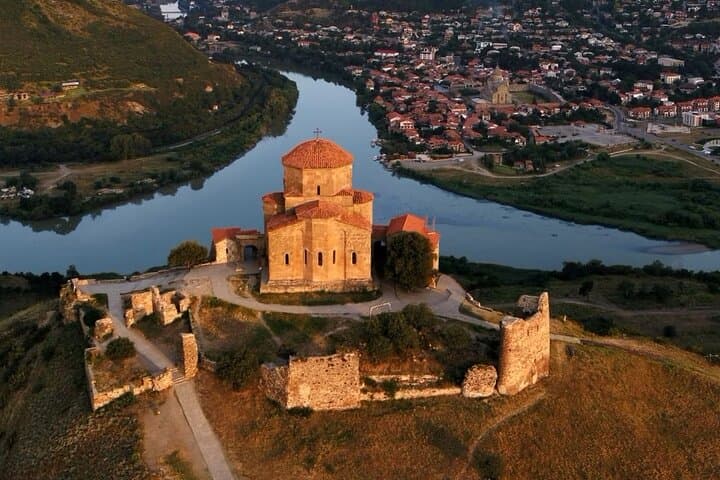
You step onto the bus in Tbilisi as the city slides behind you and the Mtkvari river widens, pushing the landscape into broader, older shapes. By midmorning the stone silhouette of Jvari perches on a ridge; wind and river conspire to lift the view toward the valley below.
Verified experiences and guided adventures in the surrounding area.
Operated by Imperial Tours · Tbilisi, Tbilisi
You step onto the bus in Tbilisi as the city slides behind you and the Mtkvari river widens, pushing the landscape into broader, older shapes. By midmorning the stone silhouette of Jvari perches on a ridge; wind and river conspire to lift the view toward the valley below.
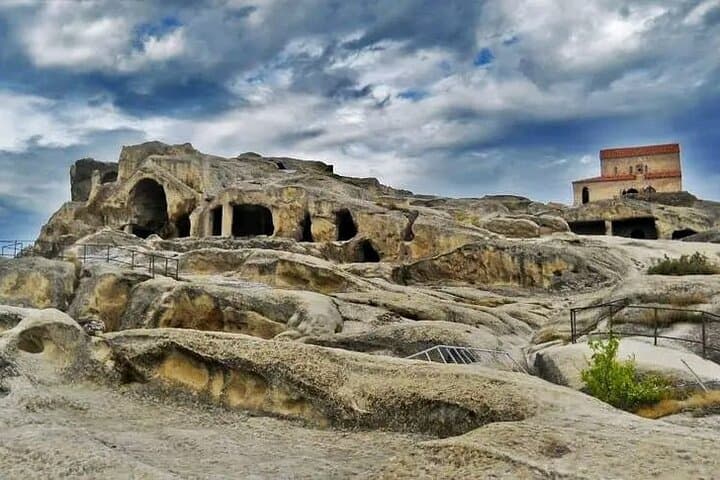
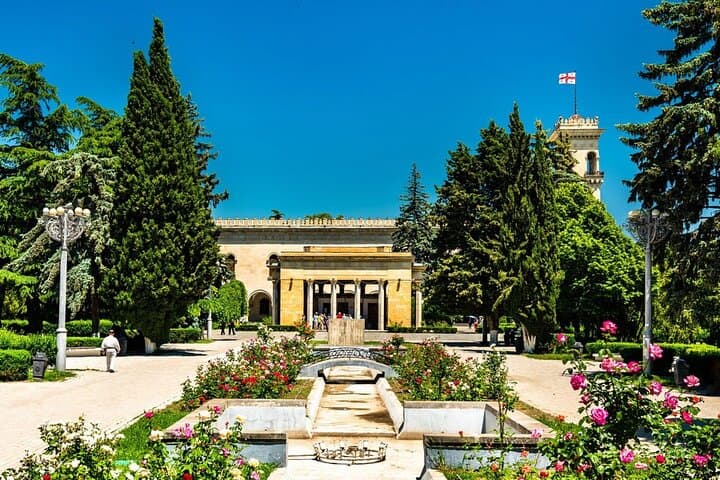
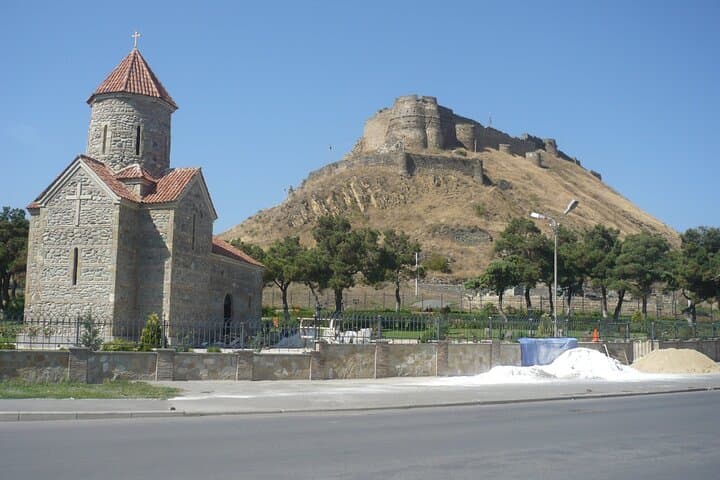
This full-day loop moves through layers of Georgian history: Mtskheta’s Svetitskhoveli Cathedral, the religious heart of an early Christian kingdom; Jvari Monastery, a 6th‑century cross church that crowns a strategic confluence; Gori, whose Stalin Museum frames more recent, contested history; and Uplistsikhe, a rock-cut town where Anatolian and Iranian building traditions meet local cave architecture.
Geology is legible here — river-carved terraces, tufa and sandstone cliffs scarred with human rooms — and the terrain is mostly easy roads, short uphill walks to viewpoints and uneven cave floors in Uplistsikhe. Cultural texture is immediate: roadside walnut stalls, Orthodox bells, and Soviet-era relics in a provincial setting.
Practical guidance: expect a long day (about 9–10 hours) with several short walks on uneven surfaces and some stairs; bring sun protection, comfortable walking shoes, and a light layer for ridge winds. Local lunches feature khachapuri and stews; notify guides about dietary needs. Keep camera batteries charged — the vistas change quickly — and honor preservation rules at archaeological sites by avoiding off-trail exploring. This tour is approachable for most travelers who can handle a full day of standing, short hikes, and a deeper look at Georgia’s layered past.
easy.
9–10 hours.
Suitable for most travelers comfortable with a full day of sightseeing and short uphill walks; basic mobility required for stairs and uneven cave floors.
The tour runs about 9–10 hours (540–600 minutes), including transportation time from Tbilisi and set stops for visits and lunch.
Admission to some sites may not be included; check the tour details and have local currency on hand for optional museum access or donations.
Yes—it's rated easy and suitable for most fitness levels, but participants should be comfortable with a full day, short uphill walks, and uneven surfaces.
Inform the operator at booking about allergies or restrictions; the included lunch is at a local restaurant and can usually accommodate common requests.
Mtskheta served as Georgia’s early capital and was central to the country’s Christianization in the 4th century; Uplistsikhe contains cave structures spanning the Early Iron Age to the Late Middle Ages.
These sites are archaeologically sensitive; stay on marked paths, avoid touching fragile stonework, and follow local guidelines to reduce erosion and wear.
Imperial Tours operates guided outdoor trips and adventures with an emphasis on safety, stewardship, and memorable experiences.
You step onto the bus in Tbilisi as the city slides behind you and the Mtkvari river widens, pushing the landscape into broader, older shapes. By midmorning the stone silhouette of Jvari perches on a ridge; wind and river conspire to lift the view toward the valley below.
You step onto the bus in Tbilisi as the city slides behind you and the Mtkvari river widens, pushing the landscape into broader, older shapes. By midmorning the stone silhouette of Jvari perches on a ridge; wind and river conspire to lift the view toward the valley below.
This full-day loop moves through layers of Georgian history: Mtskheta’s Svetitskhoveli Cathedral, the religious heart of an early Christian kingdom; Jvari Monastery, a 6th‑century cross church that crowns a strategic confluence; Gori, whose Stalin Museum frames more recent, contested history; and Uplistsikhe, a rock-cut town where Anatolian and Iranian building traditions meet local cave architecture.
Geology is legible here — river-carved terraces, tufa and sandstone cliffs scarred with human rooms — and the terrain is mostly easy roads, short uphill walks to viewpoints and uneven cave floors in Uplistsikhe. Cultural texture is immediate: roadside walnut stalls, Orthodox bells, and Soviet-era relics in a provincial setting.
Practical guidance: expect a long day (about 9–10 hours) with several short walks on uneven surfaces and some stairs; bring sun protection, comfortable walking shoes, and a light layer for ridge winds. Local lunches feature khachapuri and stews; notify guides about dietary needs. Keep camera batteries charged — the vistas change quickly — and honor preservation rules at archaeological sites by avoiding off-trail exploring. This tour is approachable for most travelers who can handle a full day of standing, short hikes, and a deeper look at Georgia’s layered past.