THE ADVENTURE COLLECTIVE® · Independent discovery and booking for outdoor travel

Spend a day tracing Egypt’s earliest capital and experimental pyramids on a private, 8‑hour tour from Cairo. Visit the Step Pyramid at Sakkara, open-air remnants at Memphis, and the Bent and Red Pyramids at Dahshur while learning practical tips for beating heat and preserving fragile sites.
Spend a day tracing Egypt’s earliest capital and experimental pyramids on a private, 8‑hour tour from Cairo. Visit the Step Pyramid at Sakkara, open-air remnants at Memphis, and the Bent and Red Pyramids at Dahshur while learning practical tips for beating heat and preserving fragile sites.
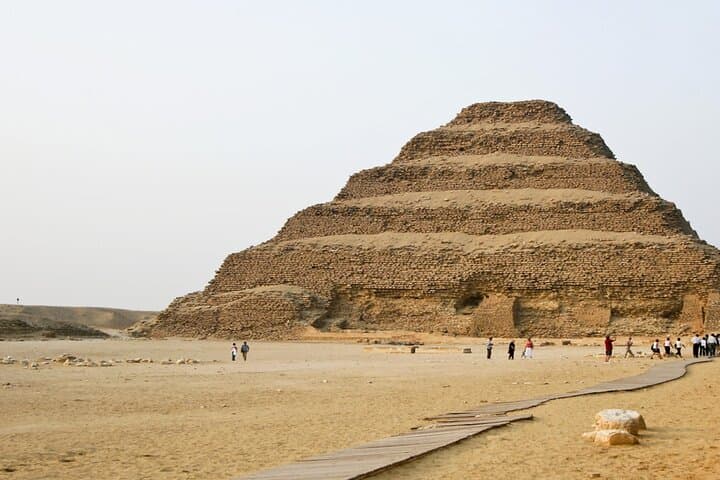
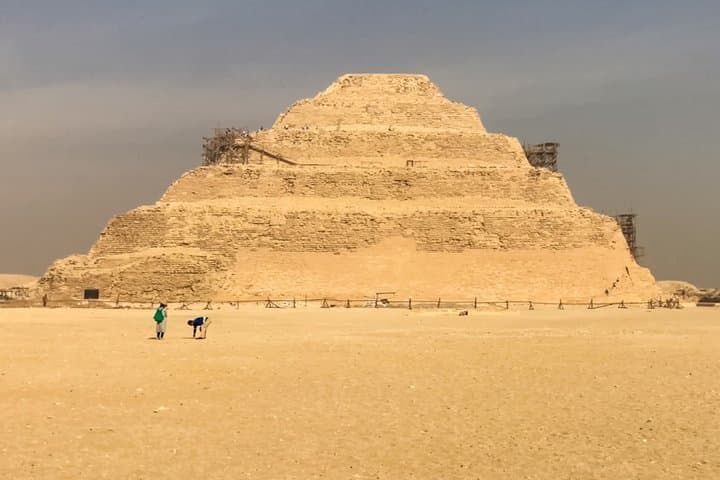
You step out of an air-conditioned vehicle into a wide, scrubbed light—the desert seems to hold its breath around blocks of weathered stone. A private Egyptologist leads you across packed sand toward the Step Pyramid’s broad tiers; gulls wheel over a distant irrigation canal while wind sketches dust along the outer casing stones.
Verified experiences and guided adventures in the surrounding area.
Operated by Tamer Safari · Cairo, Cairo Governorate
You step out of an air-conditioned vehicle into a wide, scrubbed light—the desert seems to hold its breath around blocks of weathered stone. A private Egyptologist leads you across packed sand toward the Step Pyramid’s broad tiers; gulls wheel over a distant irrigation canal while wind sketches dust along the outer casing stones.
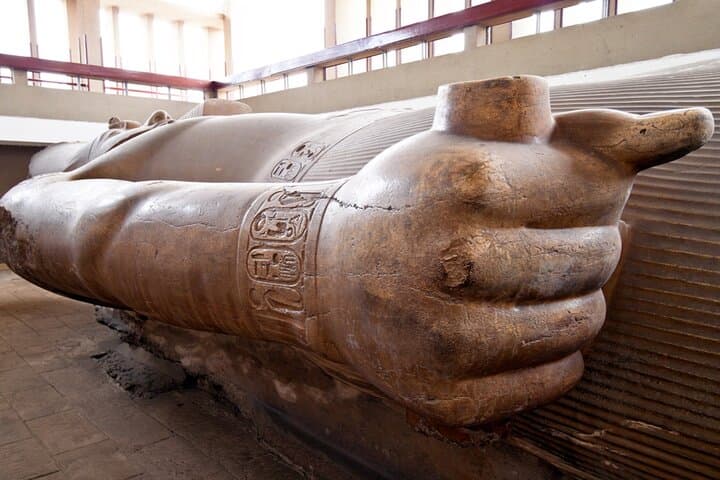
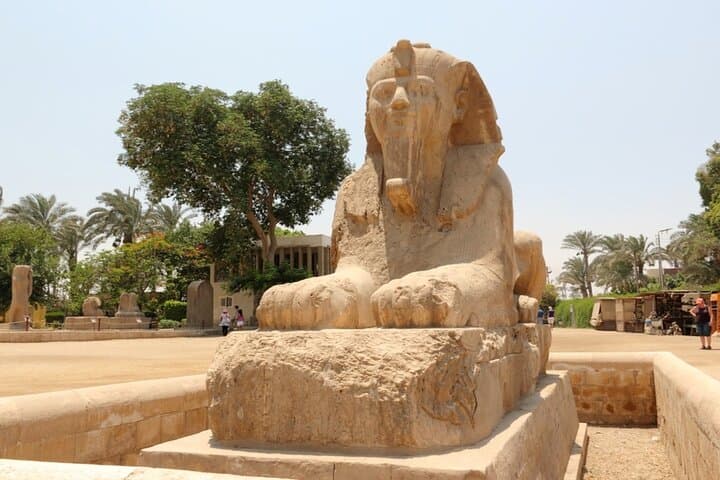
The day stitches three chapters of early Egyptian civilization. Sakkara’s Step Pyramid (c. 2600 BCE) is the oldest large-scale stone building in the world, an experiment in vertical masonry during the 3rd Dynasty. Memphis, founded as Egypt’s first capital, opens as an open-air museum of colossal statuary, including the fallen colossi of Ramesses II. Dahshur’s Bent and Red Pyramids reveal the trial-and-error of Old Kingdom geometry—the change in slope at the Bent Pyramid marks a pivotal engineering pivot in limestone and mortar.
Geology here is literal: bedrock outcrops, limestone quarries, and wind-polished blocks reveal how materials shaped form. Culturally, the sites remain active—local craftspeople and small museums link communities to their antiquity.
Practical guidance: plan for an 8-hour private tour with hotel pickup; wear sun-proof clothing and sturdy closed shoes for uneven limestone and sand. Carry water, a hat, and cash for small purchases and tips. Move deliberately around fragile masonry—don’t climb monuments, and follow your guide’s route to avoid sensitive conservation zones. Aim for an early start to beat heat and crowds; photography is allowed but respect signs near excavation and restoration areas.
easy.
8 hours.
Suitable for most travelers with basic mobility; expect short walks on uneven ground and standing during explanations.
Yes—entrance fees to Sakkara, Memphis and Dahshur are included in the tour price.
Yes—private pickup and return by air-conditioned vehicle from most Cairo hotels is included.
The tour is classified as easy, but sites have uneven paths, steps and sandy approaches; it may be challenging for those with significant mobility issues—inform the operator at booking.
Photography for personal use is generally allowed; tripods or professional equipment may be restricted in some areas—check with your guide on site rules.
Sakkara’s Step Pyramid dates to c. 2600 BCE under King Djoser and represents Egypt’s earliest major stone construction; Memphis was the political center of early dynastic Egypt.
Heavy visitation and weathering threaten soft limestone surfaces—stay on designated paths, avoid touching reliefs, and support licensed local guides and site fees that fund preservation.
Tamer Safari operates guided outdoor trips and adventures with an emphasis on safety, stewardship, and memorable experiences.
You step out of an air-conditioned vehicle into a wide, scrubbed light—the desert seems to hold its breath around blocks of weathered stone. A private Egyptologist leads you across packed sand toward the Step Pyramid’s broad tiers; gulls wheel over a distant irrigation canal while wind sketches dust along the outer casing stones.
You step out of an air-conditioned vehicle into a wide, scrubbed light—the desert seems to hold its breath around blocks of weathered stone. A private Egyptologist leads you across packed sand toward the Step Pyramid’s broad tiers; gulls wheel over a distant irrigation canal while wind sketches dust along the outer casing stones.
The day stitches three chapters of early Egyptian civilization. Sakkara’s Step Pyramid (c. 2600 BCE) is the oldest large-scale stone building in the world, an experiment in vertical masonry during the 3rd Dynasty. Memphis, founded as Egypt’s first capital, opens as an open-air museum of colossal statuary, including the fallen colossi of Ramesses II. Dahshur’s Bent and Red Pyramids reveal the trial-and-error of Old Kingdom geometry—the change in slope at the Bent Pyramid marks a pivotal engineering pivot in limestone and mortar.
Geology here is literal: bedrock outcrops, limestone quarries, and wind-polished blocks reveal how materials shaped form. Culturally, the sites remain active—local craftspeople and small museums link communities to their antiquity.
Practical guidance: plan for an 8-hour private tour with hotel pickup; wear sun-proof clothing and sturdy closed shoes for uneven limestone and sand. Carry water, a hat, and cash for small purchases and tips. Move deliberately around fragile masonry—don’t climb monuments, and follow your guide’s route to avoid sensitive conservation zones. Aim for an early start to beat heat and crowds; photography is allowed but respect signs near excavation and restoration areas.