THE ADVENTURE COLLECTIVE® · Independent discovery and booking for outdoor travel

Cross Dubai Creek by abra and walk through Al Seef and Al‑Fahidi to the spice and gold souks on this compact half‑day cultural tour. Expect flat walking, tastings, guided history and markets where bargaining is welcome.
Cross Dubai Creek by abra and walk through Al Seef and Al‑Fahidi to the spice and gold souks on this compact half‑day cultural tour. Expect flat walking, tastings, guided history and markets where bargaining is welcome.
You step off the shaded lane and the creek breathes salt and diesel — wooden abras bob like slow punctuation along Dubai Creek, daring you to cross and see both sides of the city's past.
Verified experiences and guided adventures in the surrounding area.
Operated by Tareeq Al Qafila · Dubai, Dubai
You step off the shaded lane and the creek breathes salt and diesel — wooden abras bob like slow punctuation along Dubai Creek, daring you to cross and see both sides of the city's past.
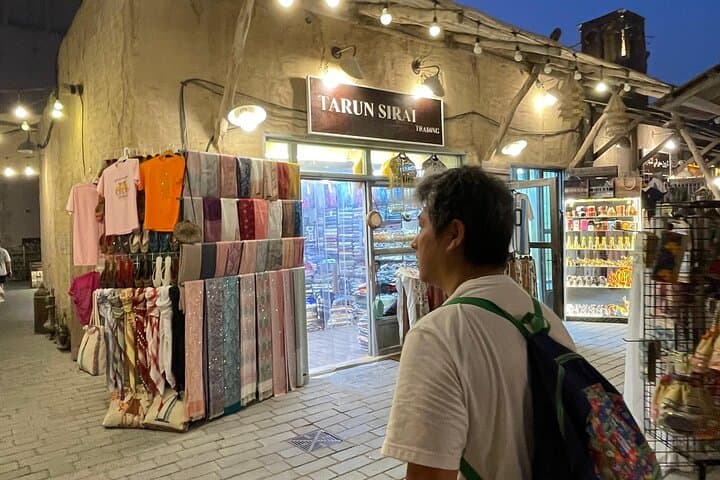
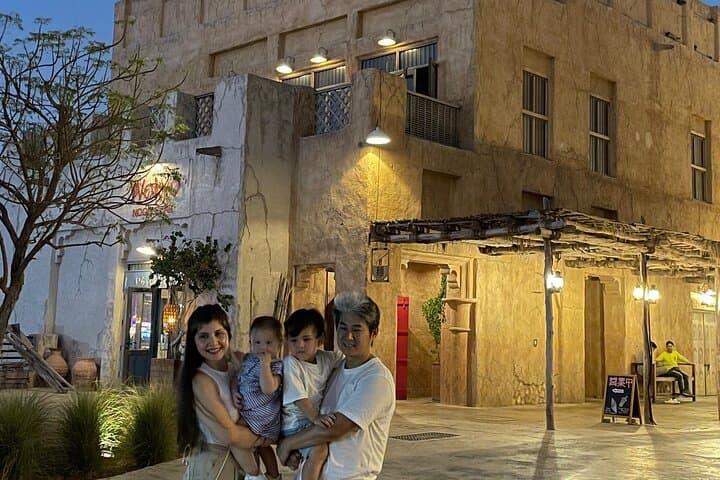
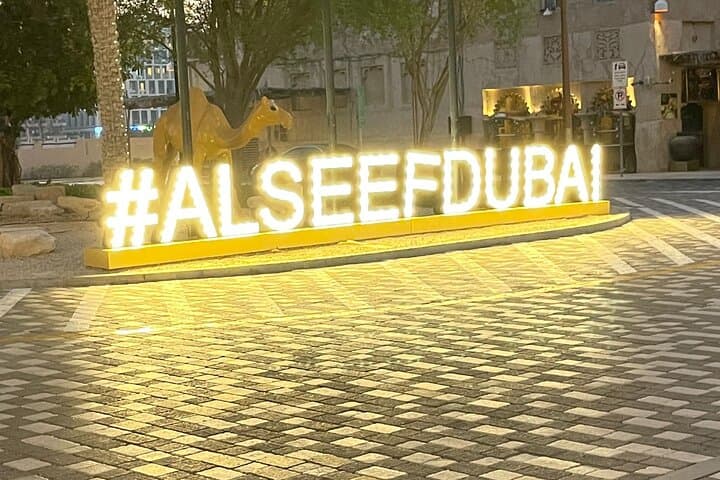
This half-day route threads Al Seef’s restored wind-tower facades, the low-slung alleys of the Al-Fahidi Historical Neighbourhood and the 18th‑century Al Fahidi Fort, now the Dubai Museum. Geology here is simple: a tidal creek carved a trading corridor where pearl divers and merchants once met, then fed the modern port and souks that grew along its banks.
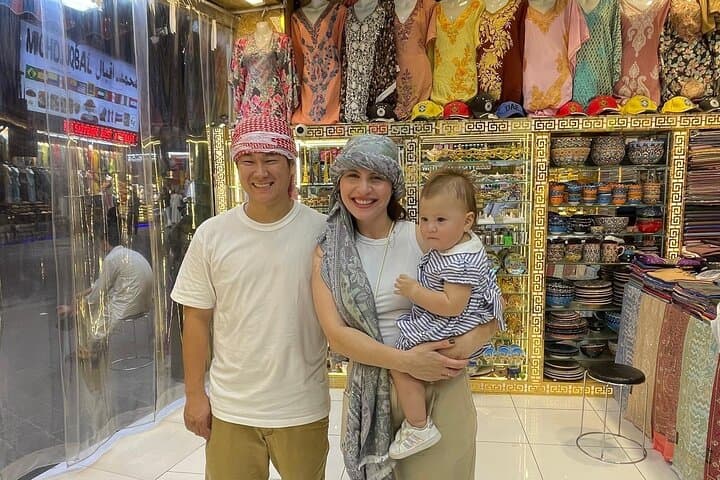
Culturally the area is a contrast engine — Emirati daily life and century-old trading practices sit beside immigrant-run stalls, spice heaps, and gold cases that glitter with competitive pricing. Local guides point out hidden vantage points for photos, explain the old dhow trade routes and offer tastings of Arabic coffee, dates and street snacks that are part memory, part theater.
Practical guidance: this tour is mostly flat walking with short boat transfers on a traditional abra; expect narrow alleys and crowded souk aisles. Wear breathable shoes, carry sun protection and small bills for bargaining. Move deliberately through the Spice Souk—inhale slowly and ask vendors about saffron grades—and plan for 3–4 hours including short stops at museums and markets.
Timing: early morning or late afternoon keeps heat and crowds in check. Keep valuables secure in busy market quarters and allow extra time if you want to shop — bargaining is part of the experience.
easy.
3–4 hours.
Basic walking fitness — suitable for most people able to stand and walk for several short stretches.
The tour runs about 3–4 hours at an easy pace with several short stops for sights and tastings; expect walking on flat surfaces and short abra crossings.
Many areas visited are wheelchair accessible, including parts of Al Seef and the abra docks, but some historic alleys and souk aisles can be narrow—check specific accessibility needs with the operator.
Yes—there’s time allocated to browse; if you plan to make major purchases allow extra time to compare prices and verify hallmarks.
Local licensed guides generally speak English; admission to the Dubai Museum is typically included in tour pricing—confirm language and inclusions when booking.
Dubai Creek was the city’s original trading artery; the area evolved from fishing and pearling settlements into a global trading hub, with Al Fahidi Fort dating to the late 18th century.
Support local sustainability by avoiding single‑use plastics at market stalls and respecting vendor goods; the creek’s water quality and traditional neighborhoods depend on responsible tourism.
Tareeq Al Qafila operates guided outdoor trips and adventures with an emphasis on safety, stewardship, and memorable experiences.
You step off the shaded lane and the creek breathes salt and diesel — wooden abras bob like slow punctuation along Dubai Creek, daring you to cross and see both sides of the city's past.
You step off the shaded lane and the creek breathes salt and diesel — wooden abras bob like slow punctuation along Dubai Creek, daring you to cross and see both sides of the city's past.
This half-day route threads Al Seef’s restored wind-tower facades, the low-slung alleys of the Al-Fahidi Historical Neighbourhood and the 18th‑century Al Fahidi Fort, now the Dubai Museum. Geology here is simple: a tidal creek carved a trading corridor where pearl divers and merchants once met, then fed the modern port and souks that grew along its banks.
Culturally the area is a contrast engine — Emirati daily life and century-old trading practices sit beside immigrant-run stalls, spice heaps, and gold cases that glitter with competitive pricing. Local guides point out hidden vantage points for photos, explain the old dhow trade routes and offer tastings of Arabic coffee, dates and street snacks that are part memory, part theater.
Practical guidance: this tour is mostly flat walking with short boat transfers on a traditional abra; expect narrow alleys and crowded souk aisles. Wear breathable shoes, carry sun protection and small bills for bargaining. Move deliberately through the Spice Souk—inhale slowly and ask vendors about saffron grades—and plan for 3–4 hours including short stops at museums and markets.
Timing: early morning or late afternoon keeps heat and crowds in check. Keep valuables secure in busy market quarters and allow extra time if you want to shop — bargaining is part of the experience.