THE ADVENTURE COLLECTIVE® · Independent discovery and booking for outdoor travel

A private day out of Athens that pairs two landmark Bronze Age sites—Ancient Corinth and Mycenae—with snorkeling over a submerged archaeological site near Epidaurus. Expect a 12-hour mix of history, short hikes on uneven ruins, and clear-water snorkeling.
A private day out of Athens that pairs two landmark Bronze Age sites—Ancient Corinth and Mycenae—with snorkeling over a submerged archaeological site near Epidaurus. Expect a 12-hour mix of history, short hikes on uneven ruins, and clear-water snorkeling.
Morning light over Attica hits the highway as a private van slips out of Athens, the city shrinking behind olive groves and low hills.
Verified experiences and guided adventures in the surrounding area.
Operated by EASYEXPERIENCES · Athens, Attica
Morning light over Attica hits the highway as a private van slips out of Athens, the city shrinking behind olive groves and low hills.
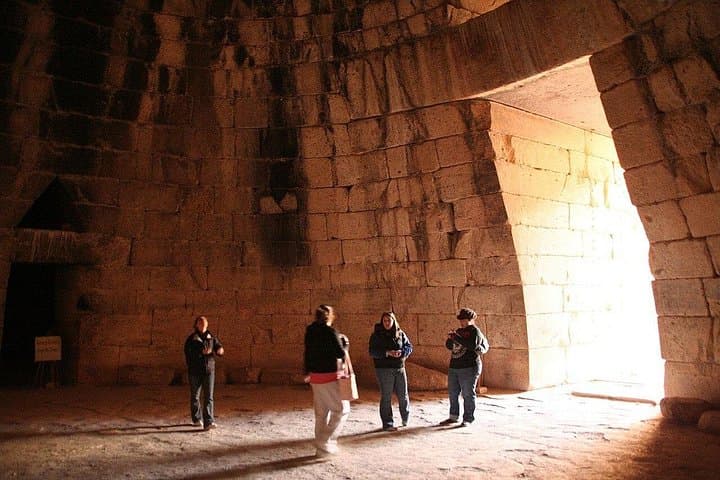
Within an hour the traveler stands on wind-scoured stone at Ancient Corinth, where Roman columns lean like memory against a flat sky. Later, Mycenae’s Cyclopean walls loom—raw slabs of stone that echo Homer’s epics—and the “Treasury of Atreus” frames the view with a weight you can feel in your bones.
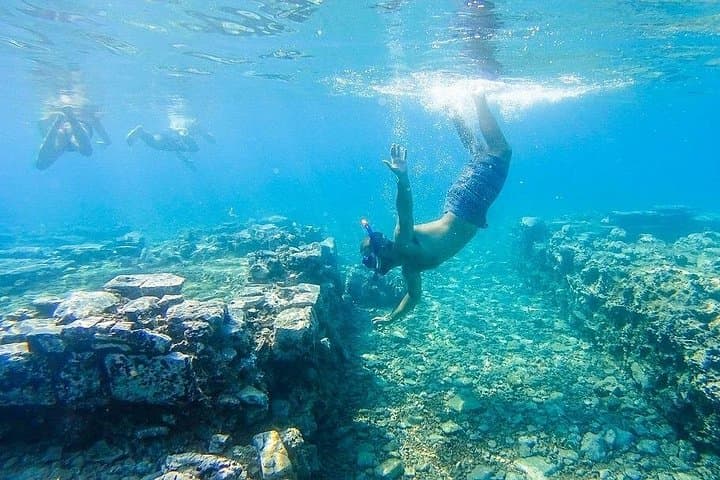
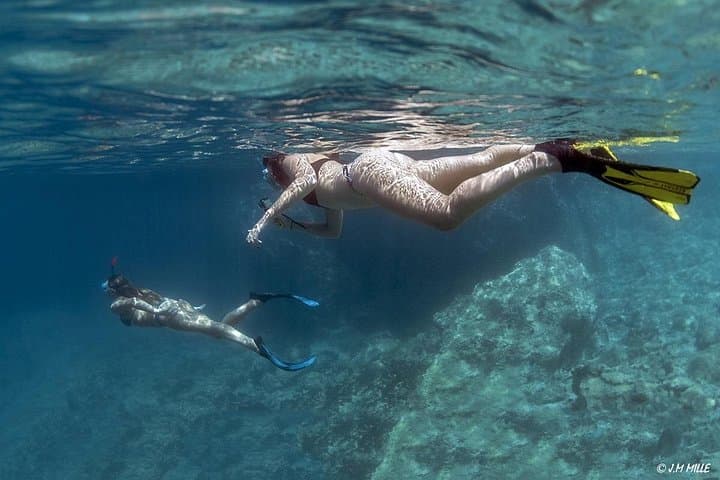
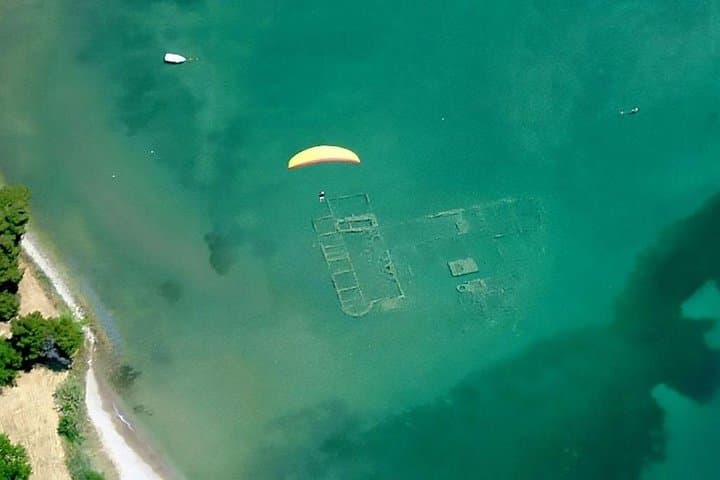
By midday the Aegean appears: a sheet of blue that dares you to step in. The sunken city off the Epidaurus coast reveals foundations, amphorae and jetty fragments visible beneath clear water; currents nudge snorkelers across old streets reclaimed by sea. The region’s limestone geology explains both the dry hills and the aquifers that fed ancient settlements; seafaring trade shaped the culture that left these ruins.
Practical guidance is straightforward: this is a long, full-day itinerary—expect roughly 12 hours with several short walks on uneven archaeological terrain and a relaxed snorkel stretch. Bring footwear with grip for sites, reef-safe sunscreen, a lightweight towel and layers for coastal breeze. Archaeological site admissions are typically separate from the tour price—confirm before you go. The tour suits steady walkers and confident swimmers; guides usually provide snorkeling equipment but check mask fit beforehand.
Timing favors spring and early fall for cooler crowds and gentler sea conditions, while summer delivers warm water and high visibility. Photographers will find strong contrasts—stone, sea and sky—to frame a day that blends classical history with immediate coastal adventure.
easy.
12 hours.
Suitable for people in normal physical condition who can handle several short walks on uneven ground and a casual snorkel.
Most operators include basic snorkeling gear (mask, snorkel, fins) but confirm mask size and hygiene policy when booking.
Admissions for Ancient Corinth and Mycenae are typically not included—check with the operator and bring euros for tickets.
Walks are short but involve uneven, stepped and sometimes steep stone surfaces; mobility limitations may make some areas inaccessible.
Non-swimmers can enjoy the archaeological visits and shore time; snorkeling sections require basic swimming skills or use of flotation—discuss options with the guide.
Ancient Corinth and Mycenae were major centers from the Late Bronze Age through Roman times; Mycenae is linked to Homeric epics while Corinth became a Roman provincial capital.
Coastal archaeology is sensitive—stay on marked paths, avoid touching submerged artifacts, and use reef-safe products to protect marine habitats.
EASYEXPERIENCES operates guided outdoor trips and adventures with an emphasis on safety, stewardship, and memorable experiences.
Morning light over Attica hits the highway as a private van slips out of Athens, the city shrinking behind olive groves and low hills.
Morning light over Attica hits the highway as a private van slips out of Athens, the city shrinking behind olive groves and low hills.
Within an hour the traveler stands on wind-scoured stone at Ancient Corinth, where Roman columns lean like memory against a flat sky. Later, Mycenae’s Cyclopean walls loom—raw slabs of stone that echo Homer’s epics—and the “Treasury of Atreus” frames the view with a weight you can feel in your bones.
By midday the Aegean appears: a sheet of blue that dares you to step in. The sunken city off the Epidaurus coast reveals foundations, amphorae and jetty fragments visible beneath clear water; currents nudge snorkelers across old streets reclaimed by sea. The region’s limestone geology explains both the dry hills and the aquifers that fed ancient settlements; seafaring trade shaped the culture that left these ruins.
Practical guidance is straightforward: this is a long, full-day itinerary—expect roughly 12 hours with several short walks on uneven archaeological terrain and a relaxed snorkel stretch. Bring footwear with grip for sites, reef-safe sunscreen, a lightweight towel and layers for coastal breeze. Archaeological site admissions are typically separate from the tour price—confirm before you go. The tour suits steady walkers and confident swimmers; guides usually provide snorkeling equipment but check mask fit beforehand.
Timing favors spring and early fall for cooler crowds and gentler sea conditions, while summer delivers warm water and high visibility. Photographers will find strong contrasts—stone, sea and sky—to frame a day that blends classical history with immediate coastal adventure.