THE ADVENTURE COLLECTIVE® · Independent discovery and booking for outdoor travel

Walk St. Augustine’s shadowed lanes with a guide who pairs tarot symbolism with the city’s hauntings and history. This 75–90 minute stroll passes historic cemeteries, the City Gates, and curiosities that reveal the quieter sides of the Ancient City.
Walk St. Augustine’s shadowed lanes with a guide who pairs tarot symbolism with the city’s hauntings and history. This 75–90 minute stroll passes historic cemeteries, the City Gates, and curiosities that reveal the quieter sides of the Ancient City.
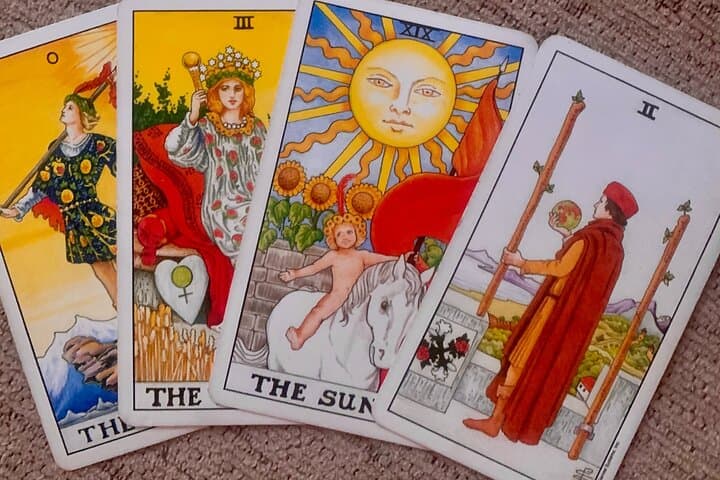
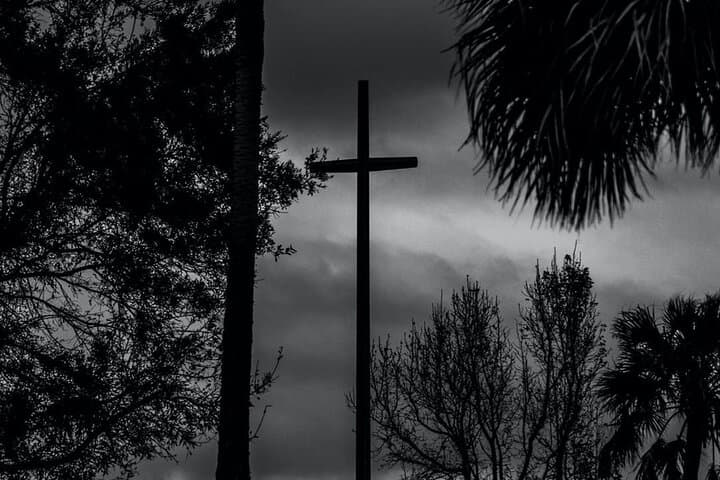
You step off the brick and into the hush of St. Augustine’s evening: Spanish moss brushes lamps, salt air threads between narrow streets, and the city’s layered past leans in to listen. The Tarot Stroll & Ghost Tour moves like a slow tide through cemetery stones, the City Gates, and a few secret trees, using tarot archetypes to frame the city’s old ghosts and harder histories.
Verified experiences and guided adventures in the surrounding area.
Operated by No 9 Tours · St. Augustine, Florida
You step off the brick and into the hush of St. Augustine’s evening: Spanish moss brushes lamps, salt air threads between narrow streets, and the city’s layered past leans in to listen. The Tarot Stroll & Ghost Tour moves like a slow tide through cemetery stones, the City Gates, and a few secret trees, using tarot archetypes to frame the city’s old ghosts and harder histories.
This is a place where the past is visible — Spanish colonial forts, 19th-century cemeteries, and stories left raw by yellow fever and shipwrecks. The Huguenot and Tolomato cemeteries, both on the route, date to the 1800s and carry folklore: whispered sightings, a famed ghost said to search for lost teeth, and monuments tied to epidemics and bishops who shaped local charity. Geologically the area is low-lying coastal plain; expect flat walking, brick sidewalks, and salt-etched stonework rather than steep climbs.
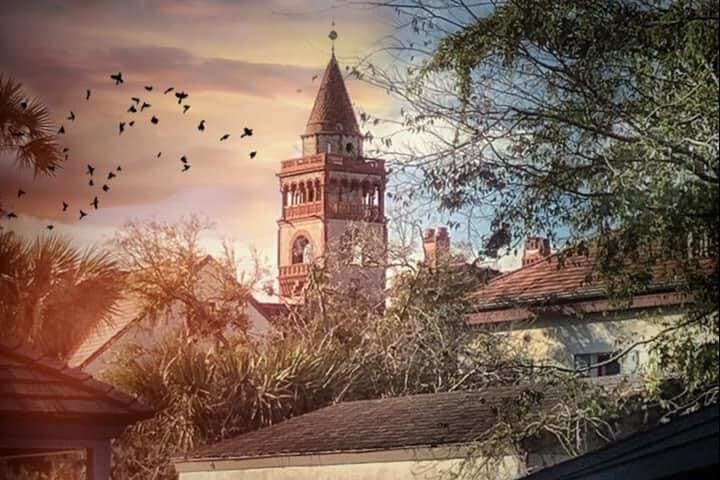
Practically, the tour is 75–90 minutes and covers a mile or two at an easy pace. Meet by the large clock tower in the historic district; bathrooms and parking are nearby but paid. The route is largely paved and wheelchair- and stroller-accessible, but uneven stones and dim lighting can be present—bring a small light. Wear comfortable shoes, layer for coastal breezes, and carry water. Photography in active graveyards should be respectful; guides often interpret tarot cards on-site, blending historical fact with interpretive storytelling.
Expect a mix of folklore, tangible history, and evocative streetscapes — a short walk that foregrounds local stories and asks you to look more closely at the stones beneath your feet.
easy.
75–90 minutes.
Light; suitable for most able-bodied participants who can walk 1–2 miles on paved, occasionally uneven surfaces
The tour runs about 75–90 minutes and covers roughly 1–2 miles at a slow, interpretive pace.
Yes; the route is stroller- and wheelchair-accessible in most places, but some areas have uneven stone or limited lighting—parents should judge their child’s comfort level.
Meet near the large clock tower in the historic district; public parking and paid lots are nearby but not included in the tour price.
Photography is allowed, but be respectful: avoid flash on delicate monuments, do not step on graves, and follow any guide requests regarding sensitive areas.
St. Augustine is the oldest continuously occupied European-established settlement in the continental U.S., founded in 1565; many 18th–19th century sites on the walk reflect layers of colonial and American history.
Respect for fragile monuments and well-worn paths is crucial; stay on paved routes in cemeteries, avoid touching carved stones, and support local preservation efforts by following guide rules.
No 9 Tours operates guided outdoor trips and adventures with an emphasis on safety, stewardship, and memorable experiences.

You step off the brick and into the hush of St. Augustine’s evening: Spanish moss brushes lamps, salt air threads between narrow streets, and the city’s layered past leans in to listen. The Tarot Stroll & Ghost Tour moves like a slow tide through cemetery stones, the City Gates, and a few secret trees, using tarot archetypes to frame the city’s old ghosts and harder histories.
You step off the brick and into the hush of St. Augustine’s evening: Spanish moss brushes lamps, salt air threads between narrow streets, and the city’s layered past leans in to listen. The Tarot Stroll & Ghost Tour moves like a slow tide through cemetery stones, the City Gates, and a few secret trees, using tarot archetypes to frame the city’s old ghosts and harder histories.
This is a place where the past is visible — Spanish colonial forts, 19th-century cemeteries, and stories left raw by yellow fever and shipwrecks. The Huguenot and Tolomato cemeteries, both on the route, date to the 1800s and carry folklore: whispered sightings, a famed ghost said to search for lost teeth, and monuments tied to epidemics and bishops who shaped local charity. Geologically the area is low-lying coastal plain; expect flat walking, brick sidewalks, and salt-etched stonework rather than steep climbs.
Practically, the tour is 75–90 minutes and covers a mile or two at an easy pace. Meet by the large clock tower in the historic district; bathrooms and parking are nearby but paid. The route is largely paved and wheelchair- and stroller-accessible, but uneven stones and dim lighting can be present—bring a small light. Wear comfortable shoes, layer for coastal breezes, and carry water. Photography in active graveyards should be respectful; guides often interpret tarot cards on-site, blending historical fact with interpretive storytelling.
Expect a mix of folklore, tangible history, and evocative streetscapes — a short walk that foregrounds local stories and asks you to look more closely at the stones beneath your feet.