THE ADVENTURE COLLECTIVE® · Independent discovery and booking for outdoor travel

A 14-day circuit from Mumbai to Varanasi that threads rock-cut caves, Mughal architecture and sunrise at the Taj. Expect long travel days, early starts for monuments, and guided walks through some of India’s most celebrated historical sites.
A 14-day circuit from Mumbai to Varanasi that threads rock-cut caves, Mughal architecture and sunrise at the Taj. Expect long travel days, early starts for monuments, and guided walks through some of India’s most celebrated historical sites.
The tour opens on Mumbai’s sun-washed waterfront where the Arabian Sea pushes a steady, salty air through the Gateway of India and ferries bound for Elephanta Island bob like impatient thoughts.
Verified experiences and guided adventures in the surrounding area.
Operated by Agora Voyages Pvt. Ltd. · Mumbai, Maharashtra
The tour opens on Mumbai’s sun-washed waterfront where the Arabian Sea pushes a steady, salty air through the Gateway of India and ferries bound for Elephanta Island bob like impatient thoughts.
Across 14 days this expedition moves from Mumbai’s colonial edges to the carved silence of Ajanta and Ellora, the layered ramparts of Forts in Jaipur and Gwalior, the hush of the Taj Mahal at sunrise, and the river-lit ghats of Varanasi. Geologically, the Deccan’s basalt and soft volcanic rock explain why Aurangabad’s caves and Daulatabad’s ramparts were carved and defended here; culturally, Mughal symmetry and Rajput fortitude mark many sites, while Ajanta’s painted panels recall centuries of Buddhist patronage.
Travelers can expect long drives, short internal flights, and guided walks over uneven stone steps and narrow fort corridors. Local markets provide sensory punctuation — spice-scented alleys in Old Delhi, block-printed textiles in Jaipur, and evening aarti flames along the Ganges that demand quiet attention.
Practical guidance: plan early starts to avoid midday heat at open monuments; wear sturdy shoes for rocky caves and fort stairways; carry a refillable water bottle and sun protection; and bring a lightweight scarf for temple visits and modesty in religious sites. Entry lines are generally managed but arrive with ID and cash for small purchases and tips. The rhythm of this route is steady: expect active sightseeing days interspersed with short transfers and city rests, and budget a full day for Ajanta and Ellora each to appreciate their scale and artistry.
moderate.
14 days.
Travelers should be comfortable with several hours of walking on uneven surfaces and short hikes up fort stairs; basic stamina is required.
Most international travelers require a valid Indian visa before arrival; check your country’s requirements and obtain the correct category (tourist/e-visa) in advance.
Monument entrances and local English-speaking guides are included on sightseeing days as specified in the itinerary, though some optional activities may cost extra.
The tour is labeled suitable for most fitness levels, but cave visits and fort climbs include stairs and uneven ground that can be challenging for mobility-impaired travellers; inform the operator of any needs when booking.
Bring basic medications, use bottled or filtered water, practice food caution with street food if you have a sensitive stomach, and ensure routine vaccinations are up to date.
This route spans millennia: Ajanta and Ellora’s rock-cut caves date from the 2nd century BCE to the 7th century CE, while Mughal and Rajput monuments reflect later imperial and regional power.
Sites like Ajanta, Ellora and the Taj are vulnerable to pollution and overtourism; travel light, avoid littering, and follow local guidance to reduce your footprint.
Agora Voyages Pvt. Ltd. operates guided outdoor trips and adventures with an emphasis on safety, stewardship, and memorable experiences.
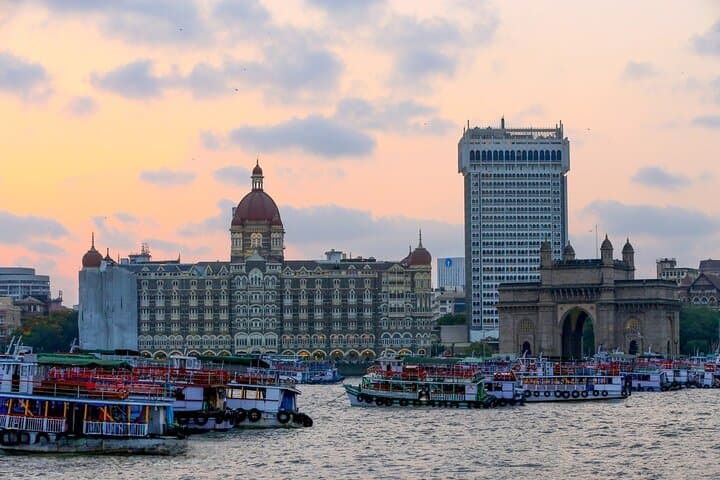
The tour opens on Mumbai’s sun-washed waterfront where the Arabian Sea pushes a steady, salty air through the Gateway of India and ferries bound for Elephanta Island bob like impatient thoughts.
The tour opens on Mumbai’s sun-washed waterfront where the Arabian Sea pushes a steady, salty air through the Gateway of India and ferries bound for Elephanta Island bob like impatient thoughts.
Across 14 days this expedition moves from Mumbai’s colonial edges to the carved silence of Ajanta and Ellora, the layered ramparts of Forts in Jaipur and Gwalior, the hush of the Taj Mahal at sunrise, and the river-lit ghats of Varanasi. Geologically, the Deccan’s basalt and soft volcanic rock explain why Aurangabad’s caves and Daulatabad’s ramparts were carved and defended here; culturally, Mughal symmetry and Rajput fortitude mark many sites, while Ajanta’s painted panels recall centuries of Buddhist patronage.
Travelers can expect long drives, short internal flights, and guided walks over uneven stone steps and narrow fort corridors. Local markets provide sensory punctuation — spice-scented alleys in Old Delhi, block-printed textiles in Jaipur, and evening aarti flames along the Ganges that demand quiet attention.
Practical guidance: plan early starts to avoid midday heat at open monuments; wear sturdy shoes for rocky caves and fort stairways; carry a refillable water bottle and sun protection; and bring a lightweight scarf for temple visits and modesty in religious sites. Entry lines are generally managed but arrive with ID and cash for small purchases and tips. The rhythm of this route is steady: expect active sightseeing days interspersed with short transfers and city rests, and budget a full day for Ajanta and Ellora each to appreciate their scale and artistry.