THE ADVENTURE COLLECTIVE® · Independent discovery and booking for outdoor travel

Walk two millennia of history on a day trip from Mumbai to the Karla and Bhaja rock‑cut caves. Expect steep steps, vast Chaitya halls, and delicate wooden ceilings while a local guide explains inscriptions, architecture, and the ancient trade route that shaped these sites.
Walk two millennia of history on a day trip from Mumbai to the Karla and Bhaja rock‑cut caves. Expect steep steps, vast Chaitya halls, and delicate wooden ceilings while a local guide explains inscriptions, architecture, and the ancient trade route that shaped these sites.
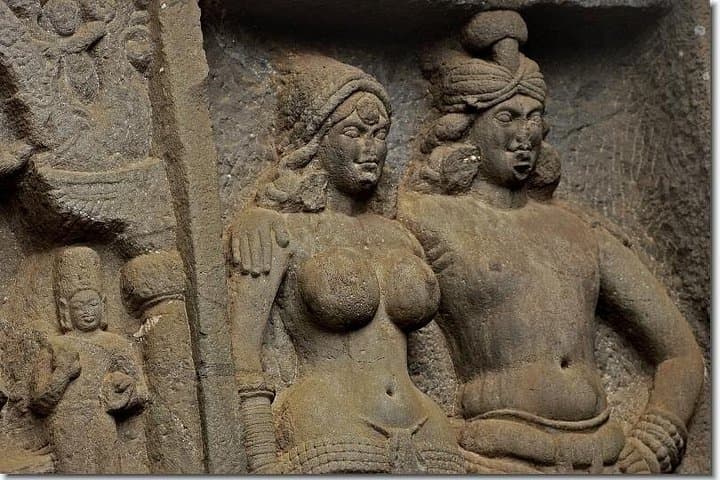
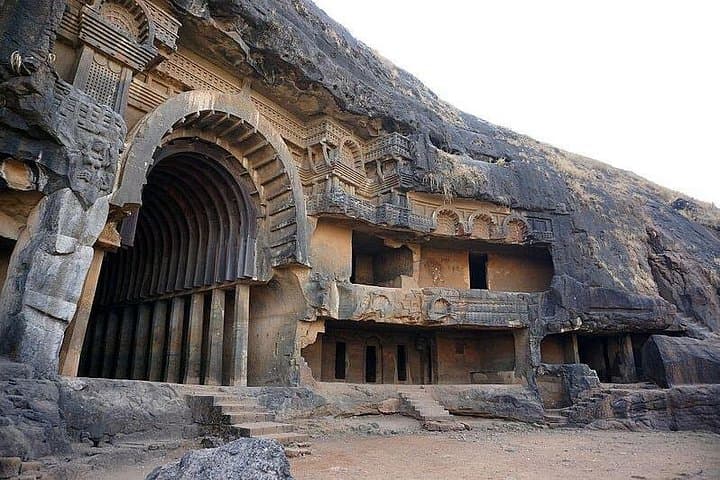
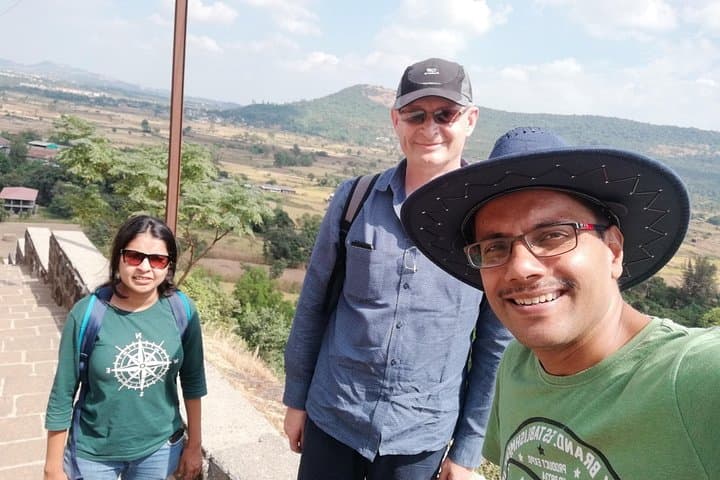
You start at the base of a stony stairway as the valley exhales dew and distant traffic fades behind you. Two sets of roughly 200 steps climb into cliffs of Deccan basalt; sunlight slices through horseshoe-shaped windows and falls across carved pillars. The prayer hall of Karla looms like a carved ship cut from rock, its stupa anchoring the chamber. At Bhaja, wooden ribs cling to a vaulted ceiling, surviving two millennia and quietly daring you not to touch them.
Verified experiences and guided adventures in the surrounding area.
Operated by 5 Senses Walks · Lonavala, Maharashtra
You start at the base of a stony stairway as the valley exhales dew and distant traffic fades behind you. Two sets of roughly 200 steps climb into cliffs of Deccan basalt; sunlight slices through horseshoe-shaped windows and falls across carved pillars. The prayer hall of Karla looms like a carved ship cut from rock, its stupa anchoring the chamber. At Bhaja, wooden ribs cling to a vaulted ceiling, surviving two millennia and quietly daring you not to touch them.
These sites sit on an ancient trade corridor linking the Arabian Sea to the Deccan Plateau. Karla’s Chaitya hall was carved between the 2nd and 5th centuries AD, while Bhaja’s cluster—older in parts—dates back to the 2nd century BC. The two centers show shifts from Hinayana viharas to later Mahayana sculptures; local inscriptions and a rare tabla carving push back ideas about music and life here.
Practical guidance: expect a full day (pickup from Mumbai, return the same evening), moderate exertion and uneven rock underfoot. Dress respectfully if you plan to enter temple areas—shoulders and knees covered. Bring 2 liters of water, sun protection, and shoes with good grip; stairs are steep and often slippery after rain. Photography is allowed, but avoid leaning on fragile wood or carvings. If you want calmer passages, ask for an early pickup: mornings have cooler light and fewer groups. Guides explain inscriptions and point out architectural details—use them to read the rock rather than trying to touch it.
This is both a cultural walk and a short scramble up heritage stairs: manageable, instructive, and quietly theatrical.
moderate.
10–12 hours.
Moderate fitness — able to climb multiple flights of uneven stone steps and walk several kilometers over uneven terrain.
Both Karla and Bhaja require climbing roughly 200 stone steps from their parking areas to the cave complexes; they are uneven and can be steep.
Admission is typically included on guided tours; independent visitors should check local ASI (Archaeological Survey of India) signage for any fees or timing restrictions.
Yes, but temple areas expect modest dress (shoulders and knees covered) and quiet behavior; follow any instructions from temple staff or your guide.
Not recommended for those with significant mobility limitations due to flights of steep steps; children can join if supervised and fit for the climbs.
Karla and Bhaja sit on an ancient overland trade axis; Karla’s large Chaitya hall dates to the early centuries AD while Bhaja includes Hinayana-era viharas and rare wooden architectural details.
These rock-cut monuments are vulnerable to erosion and human wear—avoid touching carvings, stick to paths, and follow guide and ASI rules to limit impact.
5 Senses Walks operates guided outdoor trips and adventures with an emphasis on safety, stewardship, and memorable experiences.
You start at the base of a stony stairway as the valley exhales dew and distant traffic fades behind you. Two sets of roughly 200 steps climb into cliffs of Deccan basalt; sunlight slices through horseshoe-shaped windows and falls across carved pillars. The prayer hall of Karla looms like a carved ship cut from rock, its stupa anchoring the chamber. At Bhaja, wooden ribs cling to a vaulted ceiling, surviving two millennia and quietly daring you not to touch them.
You start at the base of a stony stairway as the valley exhales dew and distant traffic fades behind you. Two sets of roughly 200 steps climb into cliffs of Deccan basalt; sunlight slices through horseshoe-shaped windows and falls across carved pillars. The prayer hall of Karla looms like a carved ship cut from rock, its stupa anchoring the chamber. At Bhaja, wooden ribs cling to a vaulted ceiling, surviving two millennia and quietly daring you not to touch them.
These sites sit on an ancient trade corridor linking the Arabian Sea to the Deccan Plateau. Karla’s Chaitya hall was carved between the 2nd and 5th centuries AD, while Bhaja’s cluster—older in parts—dates back to the 2nd century BC. The two centers show shifts from Hinayana viharas to later Mahayana sculptures; local inscriptions and a rare tabla carving push back ideas about music and life here.
Practical guidance: expect a full day (pickup from Mumbai, return the same evening), moderate exertion and uneven rock underfoot. Dress respectfully if you plan to enter temple areas—shoulders and knees covered. Bring 2 liters of water, sun protection, and shoes with good grip; stairs are steep and often slippery after rain. Photography is allowed, but avoid leaning on fragile wood or carvings. If you want calmer passages, ask for an early pickup: mornings have cooler light and fewer groups. Guides explain inscriptions and point out architectural details—use them to read the rock rather than trying to touch it.
This is both a cultural walk and a short scramble up heritage stairs: manageable, instructive, and quietly theatrical.