THE ADVENTURE COLLECTIVE® · Independent discovery and booking for outdoor travel

Head out of Anchorage after dark for a guided hunt for the aurora with heated shelters, hot drinks, and photography instruction. Tours run only on nights with good forecasts and include hotel pickup and an experienced Alaskan guide.
Head out of Anchorage after dark for a guided hunt for the aurora with heated shelters, hot drinks, and photography instruction. Tours run only on nights with good forecasts and include hotel pickup and an experienced Alaskan guide.
A soft hush falls over the highway as the tour van slips north from downtown Anchorage into the open dark. Headlights fade; the sky takes charge. You step from the heated shelter into a colder world where the aurora—green ribbons and violet edges—begins to move, responding to the solar wind like a living ceiling daring you to look up.
Verified experiences and guided adventures in the surrounding area.
Operated by Greatland Adventures · Anchorage, Alaska
A soft hush falls over the highway as the tour van slips north from downtown Anchorage into the open dark. Headlights fade; the sky takes charge. You step from the heated shelter into a colder world where the aurora—green ribbons and violet edges—begins to move, responding to the solar wind like a living ceiling daring you to look up.
The aurora borealis here is a product of charged particles from the sun colliding with Earth’s upper atmosphere—space weather meeting the Alaska sky. For millennia local Indigenous peoples, including Dena’ina communities, have told stories about the lights, assigning them agency and careful respect. Geologically, Anchorage sits between the Chugach Range and Cook Inlet; those mountains frame horizons and help define forecast-friendly microclimates that guides use to pick viewing sites.
This guided evening tour turns a hunt for the lights into a practical operation: hotel pickup in downtown and midtown, a base vehicle outfitted as a heated shelter, hot drinks and snacks, and on-site aurora forecasting. Photography instruction and portraits help both casual viewers and serious shooters get usable images. Tours typically depart around 9:00 p.m. and return near 3:00 a.m., running only on nights with a reasonable expectation of visibility; the operator reports a high success rate when they go.
Plan for long, cold hours: dress in insulated layers, bring a tripod and a fresh camera battery, and be prepared to stand or sit in a portable shelter for several hours. The operator requires guests to be at least 13 years old and asks that those with cardiovascular concerns consult their doctor. With a little patience and the right kit, the Aurora can turn a quiet Alaskan night into an unforgettable photo session and natural spectacle.
easy.
6–9 hours.
Low fitness required; participants should be able to stand for short periods and endure cold overnight conditions.
Tours operate only when forecasts indicate reasonable chances; when the tour runs the operator reports over a 90% success rate of seeing aurora activity, but sightings cannot be guaranteed.
Tours generally depart around 9:00 p.m. and return near 3:00 a.m.; exact times vary by night and viewing conditions.
Yes—hotel pickup and drop-off in downtown and midtown Anchorage is provided; guests staying at rentals meet at the operator’s office at 854 East 36th Ave.
Minimum age is 13 for shared tours; groups with younger children should inquire about private tour options.
The Dena’ina and other Alaska Native peoples have long narratives about the aurora, assigning cultural meaning and seasonal markers to its appearance.
Guides emphasize Leave No Trace at roadside viewing spots and use established pullouts to avoid disturbing wildlife and private property; limit use of car headlights to reduce light pollution.
Greatland Adventures operates guided outdoor trips and adventures with an emphasis on safety, stewardship, and memorable experiences.
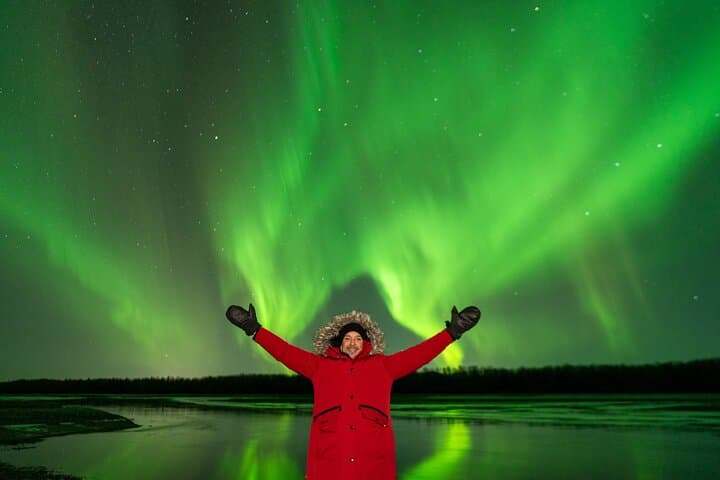
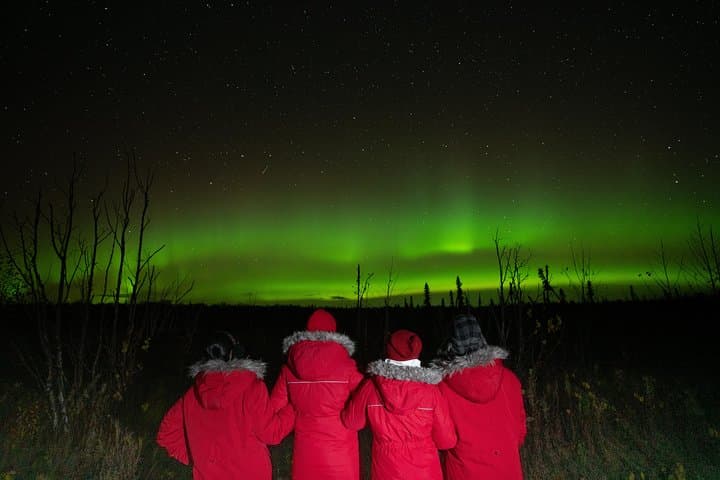
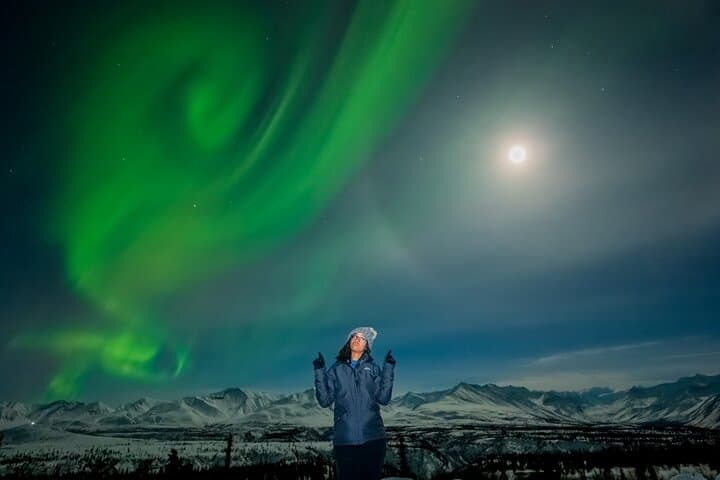
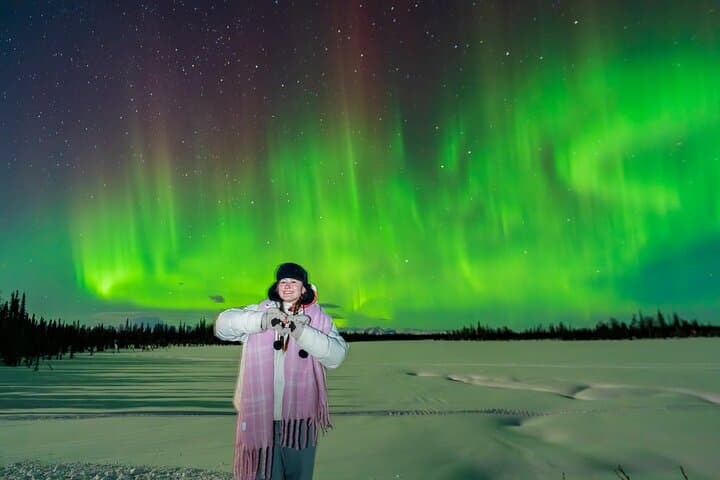
A soft hush falls over the highway as the tour van slips north from downtown Anchorage into the open dark. Headlights fade; the sky takes charge. You step from the heated shelter into a colder world where the aurora—green ribbons and violet edges—begins to move, responding to the solar wind like a living ceiling daring you to look up.
A soft hush falls over the highway as the tour van slips north from downtown Anchorage into the open dark. Headlights fade; the sky takes charge. You step from the heated shelter into a colder world where the aurora—green ribbons and violet edges—begins to move, responding to the solar wind like a living ceiling daring you to look up.
The aurora borealis here is a product of charged particles from the sun colliding with Earth’s upper atmosphere—space weather meeting the Alaska sky. For millennia local Indigenous peoples, including Dena’ina communities, have told stories about the lights, assigning them agency and careful respect. Geologically, Anchorage sits between the Chugach Range and Cook Inlet; those mountains frame horizons and help define forecast-friendly microclimates that guides use to pick viewing sites.
This guided evening tour turns a hunt for the lights into a practical operation: hotel pickup in downtown and midtown, a base vehicle outfitted as a heated shelter, hot drinks and snacks, and on-site aurora forecasting. Photography instruction and portraits help both casual viewers and serious shooters get usable images. Tours typically depart around 9:00 p.m. and return near 3:00 a.m., running only on nights with a reasonable expectation of visibility; the operator reports a high success rate when they go.
Plan for long, cold hours: dress in insulated layers, bring a tripod and a fresh camera battery, and be prepared to stand or sit in a portable shelter for several hours. The operator requires guests to be at least 13 years old and asks that those with cardiovascular concerns consult their doctor. With a little patience and the right kit, the Aurora can turn a quiet Alaskan night into an unforgettable photo session and natural spectacle.