THE ADVENTURE COLLECTIVE® · Independent discovery and booking for outdoor travel

Meet a real Iditarod lineage and run a team of sled dogs on Anchorage’s Tozier Track. This short dryland sled experience pairs hands-on mushing with a close look at the people and dogs who keep Alaska’s racing tradition alive.
Meet a real Iditarod lineage and run a team of sled dogs on Anchorage’s Tozier Track. This short dryland sled experience pairs hands-on mushing with a close look at the people and dogs who keep Alaska’s racing tradition alive.
A low, excited baying greets you before you see the dogs — a living engine impatient to move. The clubhouse at the Tozier Track sits at the edge of a compact race circuit inside Anchorage, where dryland sled runners scrape gravel instead of snow. On arrival you’ll meet Robert Redington, a third-generation musher whose family helped shape Alaskan sled dog racing, and a team of lean, focused athletes that want to run.
Verified experiences and guided adventures in the surrounding area.
Operated by Dogsled Alaska · Anchorage, Alaska
A low, excited baying greets you before you see the dogs — a living engine impatient to move. The clubhouse at the Tozier Track sits at the edge of a compact race circuit inside Anchorage, where dryland sled runners scrape gravel instead of snow. On arrival you’ll meet Robert Redington, a third-generation musher whose family helped shape Alaskan sled dog racing, and a team of lean, focused athletes that want to run.
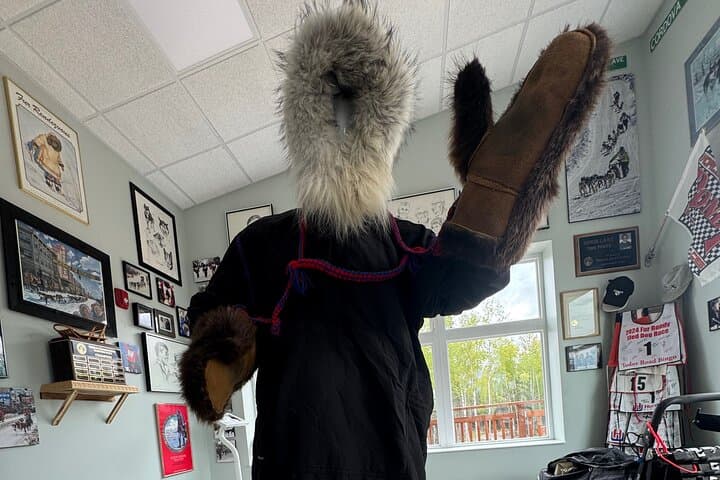
The sport’s history sits heavy here: Joe Redington Sr., Robert’s grandfather, helped forge the modern Iditarod and turned mushing from a subsistence practice into a competitive culture. Geologically the Park and surrounding trails are shaped by glacial outwash and spruce stands that keep winds lower than open tundra, so the trail feels enclosed and fast. Locally, dog mushing remains a point of pride — handlers, volunteers, and puppy programs weave community and practical stewardship together.
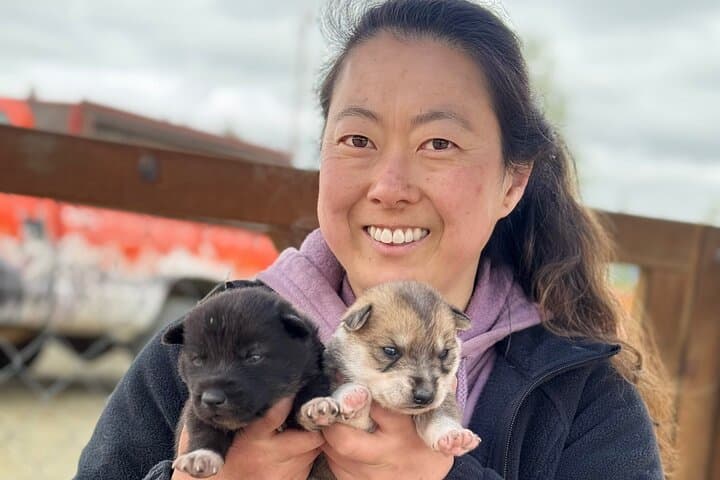
What to expect: a short, guided dryland sled run with opportunities to take the handles under supervision, demonstrations of dog care and harnessing, and time with puppies if available. The ride is quick and physically engaging; you’ll stand on a runner, shift weight, and follow the musher’s commands.
Practical guidance: dress for changing weather — layering, closed-toe boots, and wind protection are essential. Bring a camera with a secure strap; dogs move suddenly. Arrive early to check in at the clubhouse, and be prepared for stairs and standing. The experience is family-friendly but requires moderate fitness and attention around animals. For visitors wanting a deeper experience, ask about extended tours or winter runs when snow returns.
moderate.
1 hour.
Moderate — able to stand, shift weight on a running sled and follow basic instructions; suitable for most active adults and older children with supervision.
Yes — guests are often invited to take turns mushing under the direct supervision of the musher on a short run.
Infants must sit on an adult’s lap; activity involves stairs and standing, so assess mobility and comfort with animals before booking.
No — the experience involves stairs, standing, and walking on uneven ground and is not wheelchair accessible.
Layered clothing, a windproof jacket, closed-toe boots, and gloves are recommended; avoid loose straps around dogs.
The Redington family played a central role in turning mushing into a competitive sport in Alaska; Joe Redington Sr. is widely credited with founding the modern Iditarod Trail Sled Dog Race.
Handlers prioritize dog health and sustainable trail use; stick to established paths to avoid disturbing breeding grounds and local vegetation.
Dogsled Alaska operates guided outdoor trips and adventures with an emphasis on safety, stewardship, and memorable experiences.
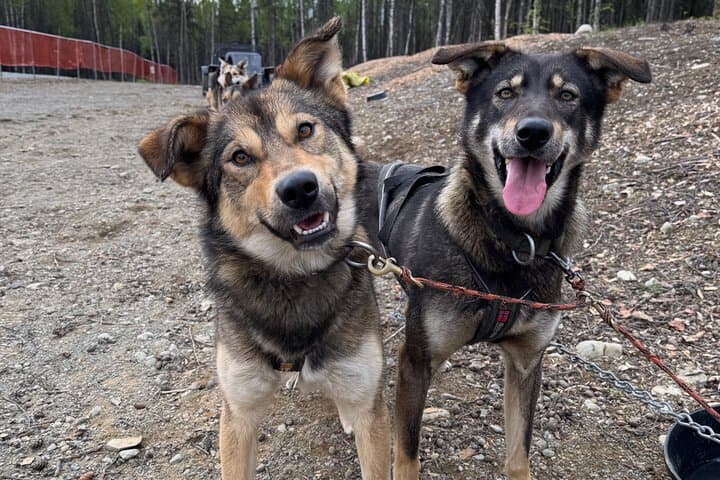
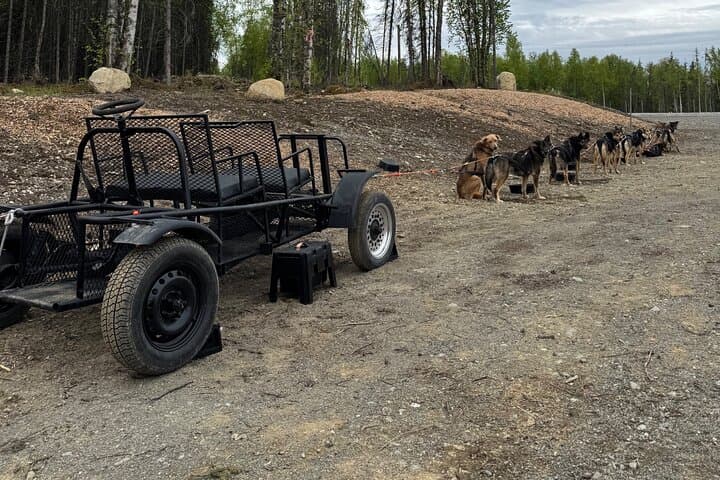
A low, excited baying greets you before you see the dogs — a living engine impatient to move. The clubhouse at the Tozier Track sits at the edge of a compact race circuit inside Anchorage, where dryland sled runners scrape gravel instead of snow. On arrival you’ll meet Robert Redington, a third-generation musher whose family helped shape Alaskan sled dog racing, and a team of lean, focused athletes that want to run.
A low, excited baying greets you before you see the dogs — a living engine impatient to move. The clubhouse at the Tozier Track sits at the edge of a compact race circuit inside Anchorage, where dryland sled runners scrape gravel instead of snow. On arrival you’ll meet Robert Redington, a third-generation musher whose family helped shape Alaskan sled dog racing, and a team of lean, focused athletes that want to run.
The sport’s history sits heavy here: Joe Redington Sr., Robert’s grandfather, helped forge the modern Iditarod and turned mushing from a subsistence practice into a competitive culture. Geologically the Park and surrounding trails are shaped by glacial outwash and spruce stands that keep winds lower than open tundra, so the trail feels enclosed and fast. Locally, dog mushing remains a point of pride — handlers, volunteers, and puppy programs weave community and practical stewardship together.
What to expect: a short, guided dryland sled run with opportunities to take the handles under supervision, demonstrations of dog care and harnessing, and time with puppies if available. The ride is quick and physically engaging; you’ll stand on a runner, shift weight, and follow the musher’s commands.
Practical guidance: dress for changing weather — layering, closed-toe boots, and wind protection are essential. Bring a camera with a secure strap; dogs move suddenly. Arrive early to check in at the clubhouse, and be prepared for stairs and standing. The experience is family-friendly but requires moderate fitness and attention around animals. For visitors wanting a deeper experience, ask about extended tours or winter runs when snow returns.