THE ADVENTURE COLLECTIVE® · Independent discovery and booking for outdoor travel

Join a 2–2.5 hour Panoramic Cusco tour that pairs a traditional Pachamama offering with visits to Sacsayhuamán, a textile center, and Cristo Blanco viewpoint. Ideal for travelers looking to combine cultural ritual with sweeping city views.
Join a 2–2.5 hour Panoramic Cusco tour that pairs a traditional Pachamama offering with visits to Sacsayhuamán, a textile center, and Cristo Blanco viewpoint. Ideal for travelers looking to combine cultural ritual with sweeping city views.
You step off the double-decker and the city exhales—thin air, sun-bright stone, and the low drum of a charango. The bus skirts the rim above Cusco, giving a broad, bracing view of Sacsayhuamán’s colossal masonry as an Andean priest assembles coca leaves, corn, and earth for a Pachamama offering. The ceremony is intimate: smoke curls, participants leave small bundles on the ground, and the mountains seem to lean in.
Verified experiences and guided adventures in the surrounding area.
Operated by My Cusco Trip · Cusco, Cusco Region
You step off the double-decker and the city exhales—thin air, sun-bright stone, and the low drum of a charango. The bus skirts the rim above Cusco, giving a broad, bracing view of Sacsayhuamán’s colossal masonry as an Andean priest assembles coca leaves, corn, and earth for a Pachamama offering. The ceremony is intimate: smoke curls, participants leave small bundles on the ground, and the mountains seem to lean in.
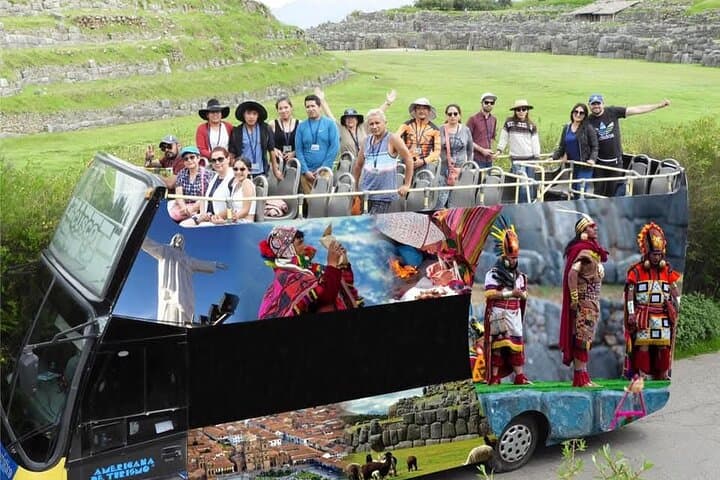
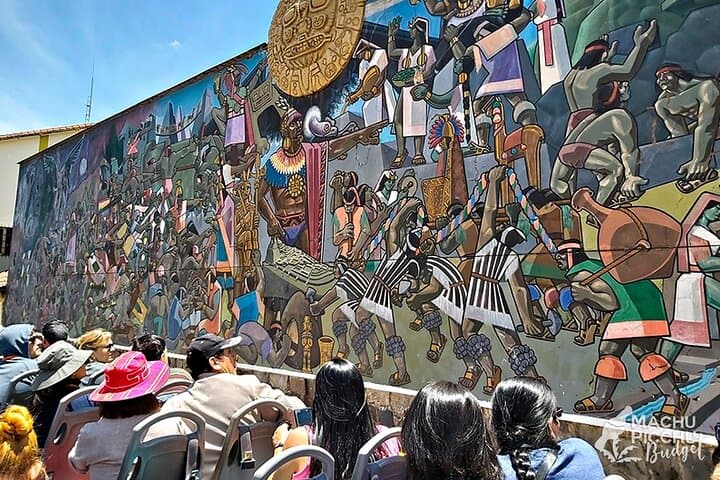
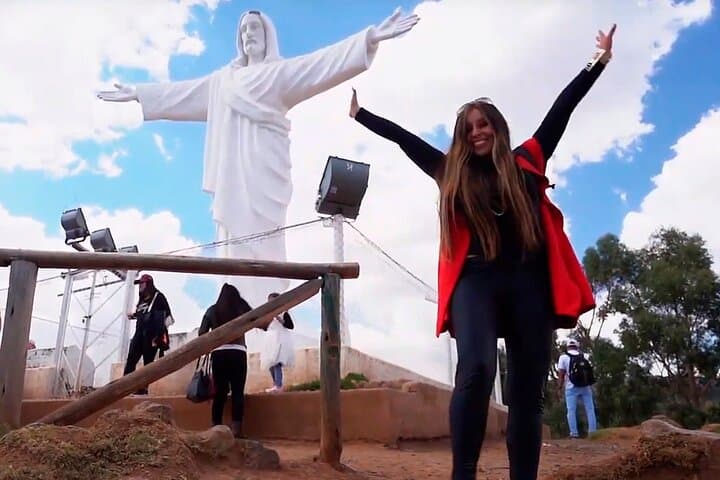
Cusco was the heart of the Inca empire, its streets laid over earlier foundations and its plazas rebuilt during colonial times. The offering to Pachamama is ancestral, meant to return gratitude and request balance; weaving centers around the city keep textile techniques—natural dyes, backstrap looms—alive. The Panoramic bus route links these threads: fortress walls, a textile cooperative working with baby alpaca, and the Cristo Blanco viewpoint that frames the city against ridges carved by glaciers and rivers.
Practical guidance: the tour runs about 2–2.5 hours and includes transport, bilingual guides, and all entrance fees. Expect short walks on uneven stone at 3,400 m altitude—bring a light layer and walk steadily to limit altitude effects. Cameras are welcome; ask before photographing ceremonies. Small groups (up to 15) keep the experience personal. If you’ve just arrived in Cusco, allow at least one acclimatization day before joining. Timing matters—mornings are crisper and crowds thinner. The combination of ritual, craftsmanship, and skyline views makes this a clear primer on Cusco’s living culture before you head to Machu Picchu or the Sacred Valley.
easy.
2–3 hours.
Suitable for most fitness levels; involves seated bus travel with short, easy walks at high elevation—expect moderate breathlessness.
Yes—entrance to all sites visited on the tour is included in the price.
Infants may join but must sit on an adult’s lap; the tour is generally suitable for children with basic supervision.
It’s recommended to allow at least 24 hours to acclimatize after arrival; newcomers may experience dizziness or breathlessness at altitude.
Yes—the tour provides bilingual guides and explanations; gestures and translated commentary make the ritual accessible.
Cusco served as the capital of the Inca empire; many modern rituals, like offerings to Pachamama, trace directly to pre-Columbian spiritual practices that persisted through colonial change.
Support local weaving cooperatives and avoid buying untreated archaeological fragments; stick to marked paths and follow guide instructions to reduce erosion and cultural wear.
My Cusco Trip operates guided outdoor trips and adventures with an emphasis on safety, stewardship, and memorable experiences.
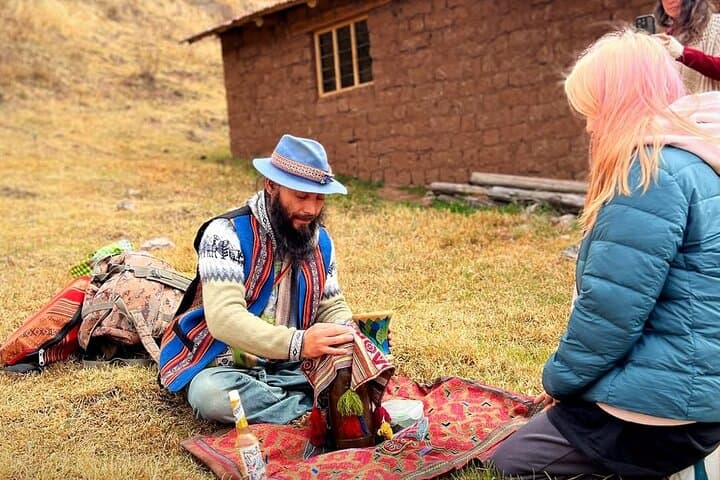
You step off the double-decker and the city exhales—thin air, sun-bright stone, and the low drum of a charango. The bus skirts the rim above Cusco, giving a broad, bracing view of Sacsayhuamán’s colossal masonry as an Andean priest assembles coca leaves, corn, and earth for a Pachamama offering. The ceremony is intimate: smoke curls, participants leave small bundles on the ground, and the mountains seem to lean in.
You step off the double-decker and the city exhales—thin air, sun-bright stone, and the low drum of a charango. The bus skirts the rim above Cusco, giving a broad, bracing view of Sacsayhuamán’s colossal masonry as an Andean priest assembles coca leaves, corn, and earth for a Pachamama offering. The ceremony is intimate: smoke curls, participants leave small bundles on the ground, and the mountains seem to lean in.
Cusco was the heart of the Inca empire, its streets laid over earlier foundations and its plazas rebuilt during colonial times. The offering to Pachamama is ancestral, meant to return gratitude and request balance; weaving centers around the city keep textile techniques—natural dyes, backstrap looms—alive. The Panoramic bus route links these threads: fortress walls, a textile cooperative working with baby alpaca, and the Cristo Blanco viewpoint that frames the city against ridges carved by glaciers and rivers.
Practical guidance: the tour runs about 2–2.5 hours and includes transport, bilingual guides, and all entrance fees. Expect short walks on uneven stone at 3,400 m altitude—bring a light layer and walk steadily to limit altitude effects. Cameras are welcome; ask before photographing ceremonies. Small groups (up to 15) keep the experience personal. If you’ve just arrived in Cusco, allow at least one acclimatization day before joining. Timing matters—mornings are crisper and crowds thinner. The combination of ritual, craftsmanship, and skyline views makes this a clear primer on Cusco’s living culture before you head to Machu Picchu or the Sacred Valley.