THE ADVENTURE COLLECTIVE® · Independent discovery and booking for outdoor travel

Walk the Patagonian steppe to see guanacos, condors and millennia-old rock paintings. This half-day guided exploration from Puerto Natales blends wildlife viewing, geology and indigenous history with easy hiking and short vehicle transfers.
Walk the Patagonian steppe to see guanacos, condors and millennia-old rock paintings. This half-day guided exploration from Puerto Natales blends wildlife viewing, geology and indigenous history with easy hiking and short vehicle transfers.
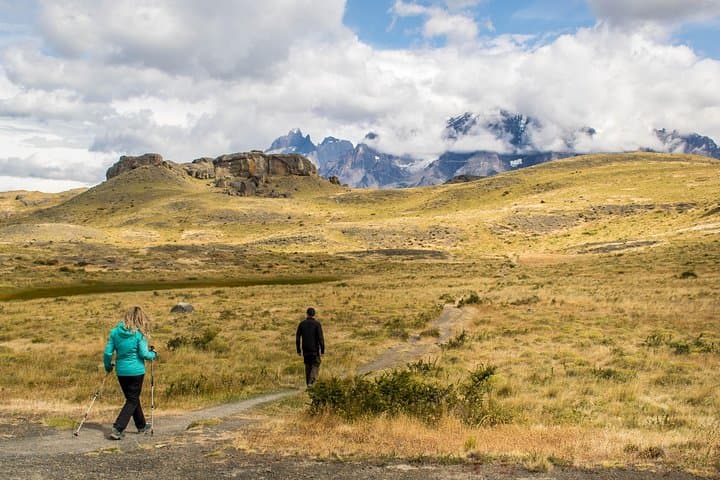
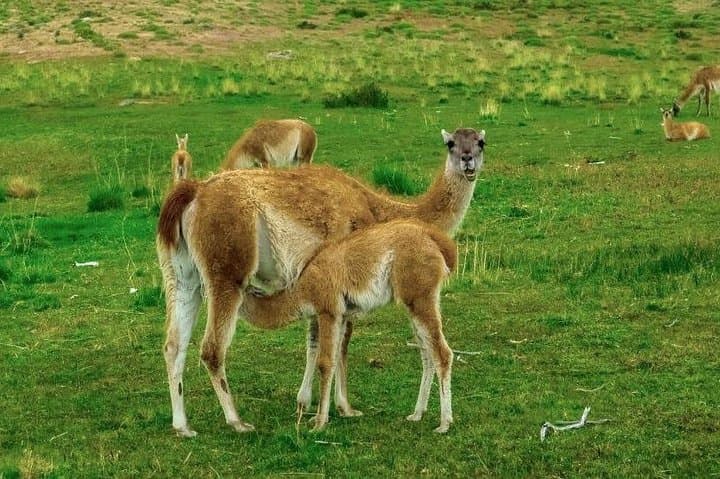
The wind pushes across the Patagonian steppe like a low voice, and you walk into a landscape that seems to move around you: grasses ripple, guanacos lift their heads, and condors wheel above the distant serrated skyline. This half-day guided outing starts from Puerto Natales and threads through lichen-scoured plains to outcrops of glacially polished conglomerate where faded handprints and geometric motifs cling to rock faces.
Verified experiences and guided adventures in the surrounding area.
Operated by Hotel del Paine "Excursiones" · Puerto Natales, Magallanes y la Antártica Chilena
The wind pushes across the Patagonian steppe like a low voice, and you walk into a landscape that seems to move around you: grasses ripple, guanacos lift their heads, and condors wheel above the distant serrated skyline. This half-day guided outing starts from Puerto Natales and threads through lichen-scoured plains to outcrops of glacially polished conglomerate where faded handprints and geometric motifs cling to rock faces.
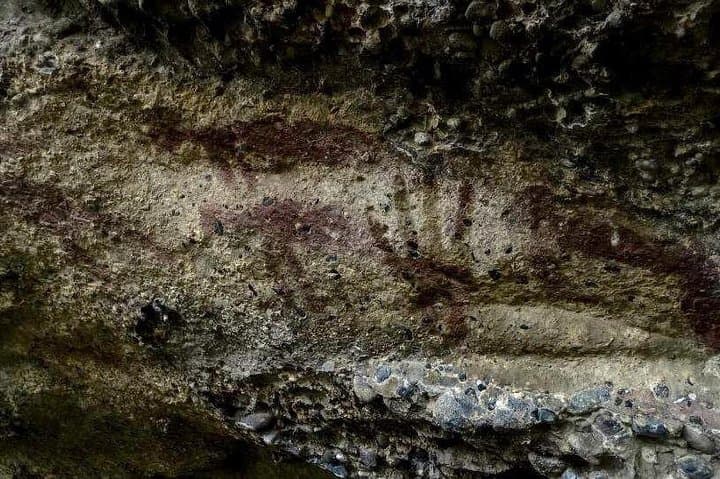
Those paintings are the work of the region’s early hunter-gatherers—prehistoric marks left on stone that record migration routes and seasonal camps. The bedrock here is an archive of the last ice age: rounded cobbles cemented by ancient flows, cracked and smoothed by millennia of freeze and wind. Culturally, the route sits at the edge of Tehuelche territory; your guide will point out how travel, water access, and rock shelters shaped human movement across these plains.
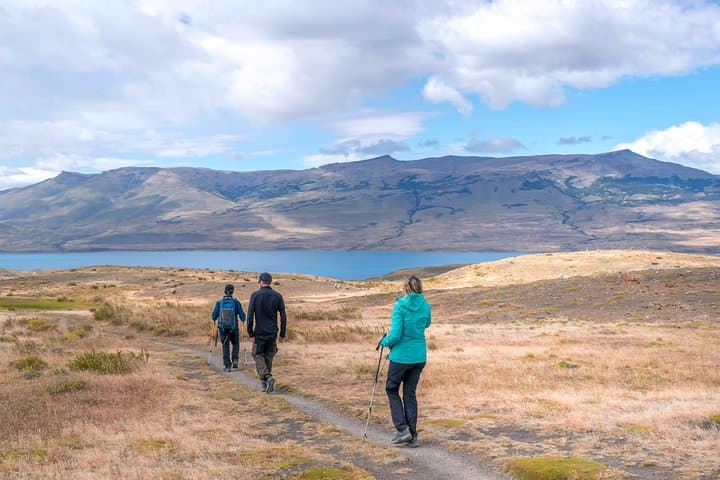
Expect five hours of easy walking interrupted by short drives in an air-conditioned vehicle; groups are small (up to 10). Wildlife sightings — guanacos, ñandú, Patagonian foxes and condors — are common; puma sightings are rare but possible. The operator supplies trekking poles and a snack (water, juice and bars). Practical prep: wear sturdy, grippy footwear for uneven gravel and rock, layer for sudden wind and sun, and bring binoculars and a charged camera. Hydrate before you start and keep a respectful distance from wildlife and archaeological sites; these panels are fragile and protected. Timing your visit for morning or late afternoon increases light on the rock art and improves wildlife activity. With straightforward terrain and an experienced guide, the Ancestral Trail is a compact, illuminating introduction to Torres del Paine’s human and natural history.
easy.
5 hours.
Suitable for most people who can walk on uneven ground for short stretches; minimal elevation gain
Most tours pick up from Puerto Natales; transport in air-conditioned vehicles between viewpoints is included—confirm pickup details when you book.
The outing is rated easy with short walks across mostly flat steppe and occasional rock scrambles; it's suitable for a wide range of fitness levels.
Common sightings include guanacos, condors and Patagonian foxes; maintain distance and follow your guide’s instructions—pumas are rare but you should never approach wildlife.
The tour operator may cancel if conditions are unsafe; standard refund/cancellation terms apply, but wind and variable weather are common so dress accordingly.
The rock paintings were made by Patagonia’s early inhabitants (often associated with Tehuelche cultures), marking routes and occupation sites; the geology records glacial action from the last ice age.
The area is ecologically sensitive—stay on designated paths, do not touch archaeological panels, and follow guide instructions to minimize wildlife disturbance.
Hotel del Paine "Excursiones" operates guided outdoor trips and adventures with an emphasis on safety, stewardship, and memorable experiences.
The wind pushes across the Patagonian steppe like a low voice, and you walk into a landscape that seems to move around you: grasses ripple, guanacos lift their heads, and condors wheel above the distant serrated skyline. This half-day guided outing starts from Puerto Natales and threads through lichen-scoured plains to outcrops of glacially polished conglomerate where faded handprints and geometric motifs cling to rock faces.
The wind pushes across the Patagonian steppe like a low voice, and you walk into a landscape that seems to move around you: grasses ripple, guanacos lift their heads, and condors wheel above the distant serrated skyline. This half-day guided outing starts from Puerto Natales and threads through lichen-scoured plains to outcrops of glacially polished conglomerate where faded handprints and geometric motifs cling to rock faces.
Those paintings are the work of the region’s early hunter-gatherers—prehistoric marks left on stone that record migration routes and seasonal camps. The bedrock here is an archive of the last ice age: rounded cobbles cemented by ancient flows, cracked and smoothed by millennia of freeze and wind. Culturally, the route sits at the edge of Tehuelche territory; your guide will point out how travel, water access, and rock shelters shaped human movement across these plains.
Expect five hours of easy walking interrupted by short drives in an air-conditioned vehicle; groups are small (up to 10). Wildlife sightings — guanacos, ñandú, Patagonian foxes and condors — are common; puma sightings are rare but possible. The operator supplies trekking poles and a snack (water, juice and bars). Practical prep: wear sturdy, grippy footwear for uneven gravel and rock, layer for sudden wind and sun, and bring binoculars and a charged camera. Hydrate before you start and keep a respectful distance from wildlife and archaeological sites; these panels are fragile and protected. Timing your visit for morning or late afternoon increases light on the rock art and improves wildlife activity. With straightforward terrain and an experienced guide, the Ancestral Trail is a compact, illuminating introduction to Torres del Paine’s human and natural history.