THE ADVENTURE COLLECTIVE® · Independent discovery and booking for outdoor travel

Spend a full day exploring Monte Albán’s ruins, visiting alebrije and black-clay workshops, and tasting artisanal mezcal in a traditional palenque. This guided circuit mixes archaeology, craft, and local flavor across the Oaxaca Valley.
Spend a full day exploring Monte Albán’s ruins, visiting alebrije and black-clay workshops, and tasting artisanal mezcal in a traditional palenque. This guided circuit mixes archaeology, craft, and local flavor across the Oaxaca Valley.
You step out of an air-conditioned van into a high, wind-buffed valley where the stones of Monte Albán still hold the weight of centuries. The sun pushes across terraces and plazas; wind carries the bright scent of wood smoke from nearby palenques and the rasp of artisans carving alebrije prototypes in a roadside workshop.
Verified experiences and guided adventures in the surrounding area.
Operated by Expedition Travel Oaxaca · Oaxaca City, Oaxaca
You step out of an air-conditioned van into a high, wind-buffed valley where the stones of Monte Albán still hold the weight of centuries. The sun pushes across terraces and plazas; wind carries the bright scent of wood smoke from nearby palenques and the rasp of artisans carving alebrije prototypes in a roadside workshop.
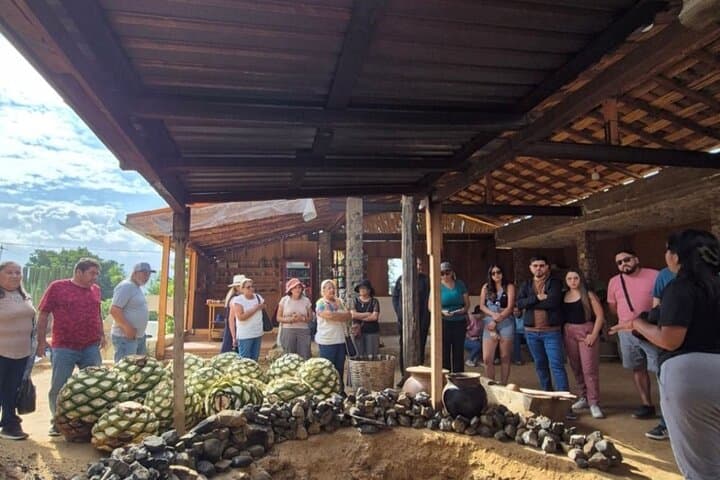
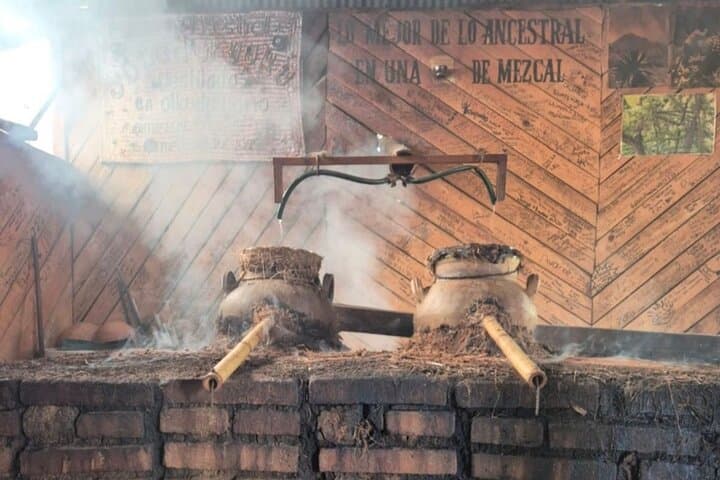
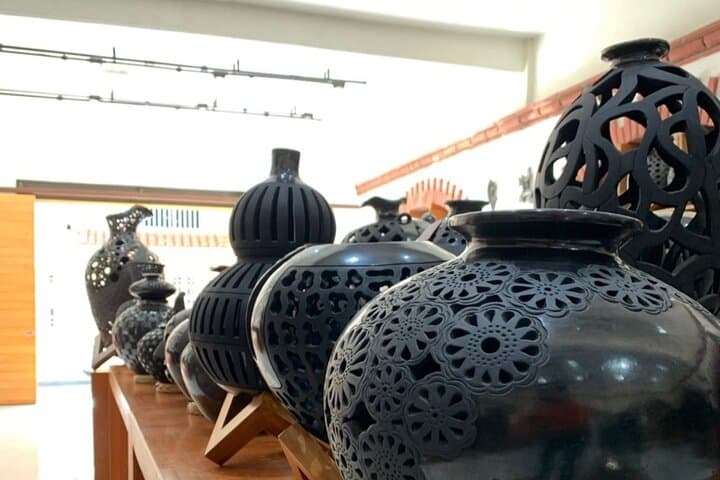
This one-day circuit threads together the region’s living history: Monte Albán’s broad plazas and observatories that chart Zapotec life and death; Arrazola’s riotous painted wood where alebrijes are carved and colored by family workshops; San Bartolo Coyotepec’s dense black clay, burnished to an oily sheen by ancient firing techniques; and a palenque where mezcal is explained from agave to glass. Geologically, the Oaxaca Valley sits in folded limestones and volcanic deposits, which provided the raw material for terraces and the reddish clays used by potters.
Culturally the route is intimate—artisans demonstrate hands-on methods and palenquero guides tell regional origin stories—so expect a mix of museums, open workshops, and tastings rather than long wilderness hiking.
Practical guidance: this is a full-day, moderate-paced tour of roughly 8 hours with short walks on uneven sites and cobbled streets. Bring sun protection, cash for small purchases and tips, and a modest level of mobility to handle stairs and museum paths. Morning light is best for Monte Albán photos; midafternoon is warmer in the valley and better for workshop visits. Respect photography rules in sacred spaces and ask before touching artisan work—these are active studios, not staged exhibits.
moderate.
8 hours.
Moderate level of fitness for short walks, stairs, and standing during demonstrations
The tour runs about 8 hours total, typically departing from central Oaxaca in the morning and returning late afternoon.
Yes — admission to Monte Albán is included in the itinerary as described.
Yes — the itinerary visits active workshops where you can buy alebrijes and pottery directly from artisans; bring cash.
The tour can accommodate families but requires moderate mobility for steps and uneven surfaces; notify the operator about mobility needs or strollers when booking.
Monte Albán was the political and ceremonial heart of the Zapotec civilization from about 500 BCE to 800 CE; surrounding towns preserved craft traditions over centuries.
Support workshops that use sustainable wood and fair pay; avoid buying pieces made from endangered species and dispose of single-use plastics responsibly.
Expedition Travel Oaxaca operates guided outdoor trips and adventures with an emphasis on safety, stewardship, and memorable experiences.
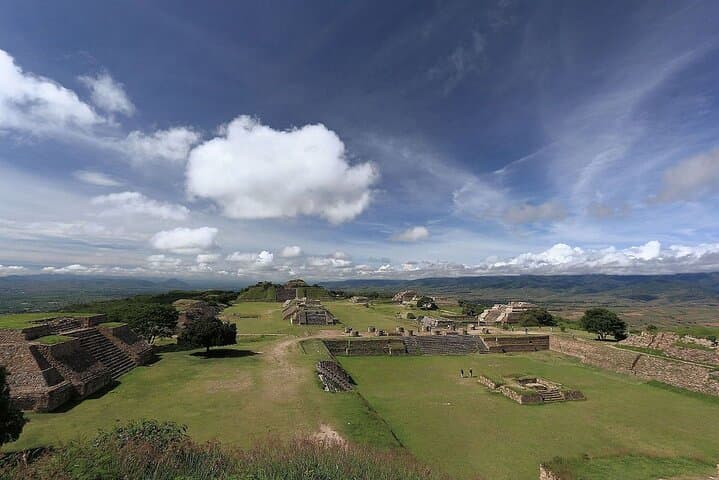
You step out of an air-conditioned van into a high, wind-buffed valley where the stones of Monte Albán still hold the weight of centuries. The sun pushes across terraces and plazas; wind carries the bright scent of wood smoke from nearby palenques and the rasp of artisans carving alebrije prototypes in a roadside workshop.
You step out of an air-conditioned van into a high, wind-buffed valley where the stones of Monte Albán still hold the weight of centuries. The sun pushes across terraces and plazas; wind carries the bright scent of wood smoke from nearby palenques and the rasp of artisans carving alebrije prototypes in a roadside workshop.
This one-day circuit threads together the region’s living history: Monte Albán’s broad plazas and observatories that chart Zapotec life and death; Arrazola’s riotous painted wood where alebrijes are carved and colored by family workshops; San Bartolo Coyotepec’s dense black clay, burnished to an oily sheen by ancient firing techniques; and a palenque where mezcal is explained from agave to glass. Geologically, the Oaxaca Valley sits in folded limestones and volcanic deposits, which provided the raw material for terraces and the reddish clays used by potters.
Culturally the route is intimate—artisans demonstrate hands-on methods and palenquero guides tell regional origin stories—so expect a mix of museums, open workshops, and tastings rather than long wilderness hiking.
Practical guidance: this is a full-day, moderate-paced tour of roughly 8 hours with short walks on uneven sites and cobbled streets. Bring sun protection, cash for small purchases and tips, and a modest level of mobility to handle stairs and museum paths. Morning light is best for Monte Albán photos; midafternoon is warmer in the valley and better for workshop visits. Respect photography rules in sacred spaces and ask before touching artisan work—these are active studios, not staged exhibits.