THE ADVENTURE COLLECTIVE® · Independent discovery and booking for outdoor travel

Walk castle ramparts that once held enslaved Africans, cross a rainforest canopy 100 feet above the floor, and be welcomed into a village naming ceremony. This private 9-day tour from Accra blends solemn history with living culture across Ghana’s coast and Ashanti heartland.
Walk castle ramparts that once held enslaved Africans, cross a rainforest canopy 100 feet above the floor, and be welcomed into a village naming ceremony. This private 9-day tour from Accra blends solemn history with living culture across Ghana’s coast and Ashanti heartland.
The morning light over the Gulf of Guinea cuts a pale line across Accra as you step from an air-conditioned vehicle into the city’s humid bustle — vendors calling, the smell of fried plantain, and the boom of distant drums. Over nine days you move from this coastal capital into rainforests, castle ramparts, riverbanks and Ashanti towns, each place holding chapters of a shared history.
Verified experiences and guided adventures in the surrounding area.
Operated by Landtours LLC · Accra, Greater Accra Region
The morning light over the Gulf of Guinea cuts a pale line across Accra as you step from an air-conditioned vehicle into the city’s humid bustle — vendors calling, the smell of fried plantain, and the boom of distant drums. Over nine days you move from this coastal capital into rainforests, castle ramparts, riverbanks and Ashanti towns, each place holding chapters of a shared history.
This itinerary threads colonial forts at Elmina and Cape Coast — built in the 15th–17th centuries — with the living memory of Assin Manso’s Donkor Nsuo riverbank and the ceremonial life of an Akan village naming. Geologically, you’ll cross the coastal plain into low, lush rainforest at Kakum where the canopy walkway hangs roughly 30 m above the forest floor. Culturally, the trip includes Manhyia Palace in Kumasi and craft villages where kente and adinkra motifs still mark identity and trade.
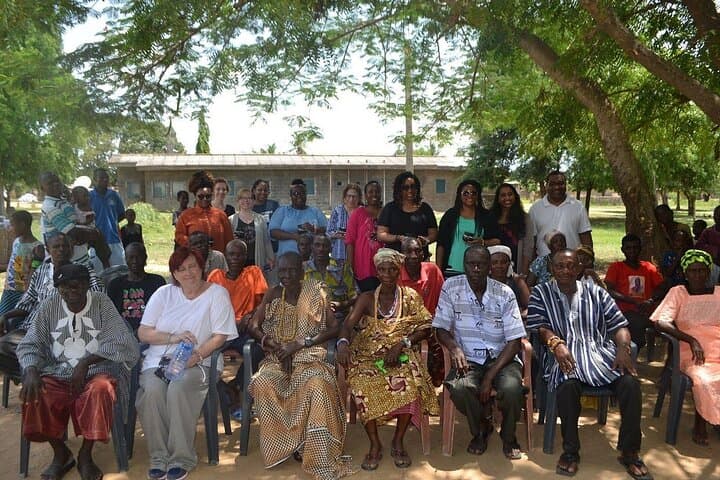
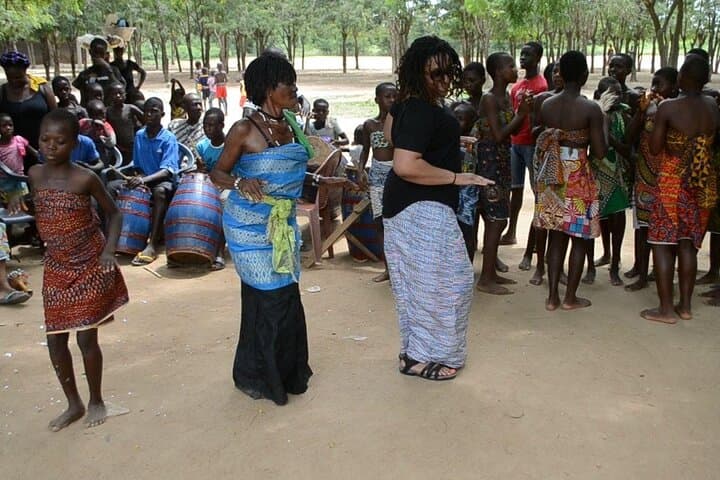
Expect guided museum tours, conversations with elders, and an intimate naming ceremony with drumming and clay-pot demonstrations. Practicalities matter: Ghana’s climate is warm year-round; the Kakum walks and village visits require sturdy shoes and modest clothing out of respect. Carry local currency (GHS), stay hydrated, and plan for slow roads between cities — drives are long but packed with roadside markets and coastal views.
This is more than a sightseeing loop; it’s paced to listen and to learn. Bring patience, a notebook, and an openness to connect — the legacy here asks not only for observation but for participation.
easy.
9 days.
Suitable for travelers of most fitness levels; expect short walks, a 2 km nature trail and periods of standing during museum and castle tours
No — the itinerary is rated easy: most activities are walking tours, short nature trails, and village visits; a moderate level of mobility is helpful for castle steps and the Kakum canopy walk.
Travelers should check current Ghana entry visa requirements for their nationality and consult a travel clinic for recommended vaccinations and malaria prophylaxis well before departure.
The tour includes accommodation and breakfast each day as noted; other meals and incidentals are typically the traveler’s responsibility unless stated otherwise.
Yes — inform the operator of health restrictions during booking so hosts can adapt ceremonial participation and seating as needed.
Ghana was the first sub-Saharan African country to gain independence in 1957; sites like the Kwame Nkrumah Memorial and colonial forts reflect both pre-colonial kingdoms and European trade networks.
Kakum National Park is protected but vulnerable to logging and agricultural encroachment; stick to marked trails and support local guides and community-run conservation initiatives.
Landtours LLC operates guided outdoor trips and adventures with an emphasis on safety, stewardship, and memorable experiences.
The morning light over the Gulf of Guinea cuts a pale line across Accra as you step from an air-conditioned vehicle into the city’s humid bustle — vendors calling, the smell of fried plantain, and the boom of distant drums. Over nine days you move from this coastal capital into rainforests, castle ramparts, riverbanks and Ashanti towns, each place holding chapters of a shared history.
The morning light over the Gulf of Guinea cuts a pale line across Accra as you step from an air-conditioned vehicle into the city’s humid bustle — vendors calling, the smell of fried plantain, and the boom of distant drums. Over nine days you move from this coastal capital into rainforests, castle ramparts, riverbanks and Ashanti towns, each place holding chapters of a shared history.
This itinerary threads colonial forts at Elmina and Cape Coast — built in the 15th–17th centuries — with the living memory of Assin Manso’s Donkor Nsuo riverbank and the ceremonial life of an Akan village naming. Geologically, you’ll cross the coastal plain into low, lush rainforest at Kakum where the canopy walkway hangs roughly 30 m above the forest floor. Culturally, the trip includes Manhyia Palace in Kumasi and craft villages where kente and adinkra motifs still mark identity and trade.
Expect guided museum tours, conversations with elders, and an intimate naming ceremony with drumming and clay-pot demonstrations. Practicalities matter: Ghana’s climate is warm year-round; the Kakum walks and village visits require sturdy shoes and modest clothing out of respect. Carry local currency (GHS), stay hydrated, and plan for slow roads between cities — drives are long but packed with roadside markets and coastal views.
This is more than a sightseeing loop; it’s paced to listen and to learn. Bring patience, a notebook, and an openness to connect — the legacy here asks not only for observation but for participation.