THE ADVENTURE COLLECTIVE® · Independent discovery and booking for outdoor travel

A five-day, less-crowded approach to Machu Picchu that threads alpine passes, little-known Inca sites and cloud forest. Expect high passes near 4,500 m, basic camping, one hotel night and a guided early arrival at Machu Picchu.
A five-day, less-crowded approach to Machu Picchu that threads alpine passes, little-known Inca sites and cloud forest. Expect high passes near 4,500 m, basic camping, one hotel night and a guided early arrival at Machu Picchu.
At first light the trail slips away from Soqma’s high pastures, the path a narrow ribbon of dust and stone that climbs steadily beneath peaks. You move with the cadence of llamas and the sure breath of the Andes—coca tea warming your hands before a long day—each step pushing higher toward passes, terraces and ruined walls until Machu Picchu appears on the horizon.
Verified experiences and guided adventures in the surrounding area.
Operated by Vicuna Expeditions · Aguas Calientes, Cusco
At first light the trail slips away from Soqma’s high pastures, the path a narrow ribbon of dust and stone that climbs steadily beneath peaks. You move with the cadence of llamas and the sure breath of the Andes—coca tea warming your hands before a long day—each step pushing higher toward passes, terraces and ruined walls until Machu Picchu appears on the horizon.
The Ancascocha Trek runs five days between the Cusco highlands and the Machu Picchu citadel, threading lesser-known Inca sites such as Perolniyoc, Paucarcancha and Llactapata. Geologically the route traverses folded Paleozoic and Mesozoic formations and steep valleys cut by the Vilcanota watershed; soils shift from puna grassland to cloud forest as you descend. Culturally, Quechua communities still shepherd alpacas and maintain terrace agriculture—guides explain local farming rites and stonework methods used by the Incas.
Expect sustained days: long ascents to passes near 4,200–4,500 m with steep rocky switchbacks, then knife-edged ridgelines and grassy descents. Nights are camping at basic sites (tents and camp kitchen provided), with one hotel night in Aguas Calientes before an early Machu Picchu visit. Practicalities: acclimatize in Cusco 1–2 days, bring layered insulation for cold nights, treat water or use purification tablets, and carry sun protection—UV is strong. Stiff-soled boots and trekking poles make steep descents easier; pack light—horses carry camp gear. Book permits and train tickets well ahead; a high level of fitness for multi-day altitude trekking is required.
challenging.
5 days.
Strong cardiovascular fitness and endurance for sustained days at altitude; prior multi-day hiking experience recommended
You reach passes around 4,200–4,500 m; acclimatization in Cusco for 24–48 hours before starting significantly reduces risk of altitude sickness.
Yes—camping equipment (double tents and sleeping mattresses), a camp kitchen and meals are provided on nights 1–3; one hotel night is included in Aguas Calientes.
Main camping and kitchen gear is carried by horses; you should carry a daypack with water, layers, snacks and personal items—keep total weight light.
An experienced bilingual guide is included and the Machu Picchu entrance ticket is provided; train tickets and bus transfers outlined in the itinerary are included per booking details.
This route follows secondary Inca pathways and accesses several lesser-known sites that illustrate regional agricultural terraces and stone masonry outside the main citadel.
Respect local campsites, pack out all non-biodegradable waste and avoid collecting archaeological material; wet-season erosion is a concern—stay on established trail lines.
Vicuna Expeditions operates guided outdoor trips and adventures with an emphasis on safety, stewardship, and memorable experiences.
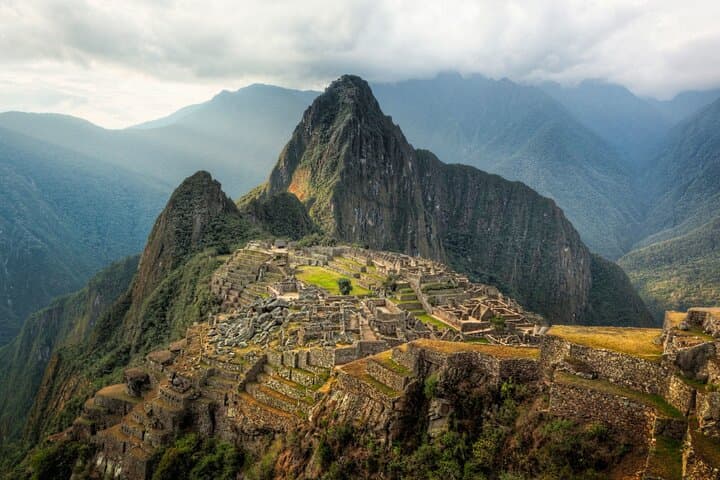
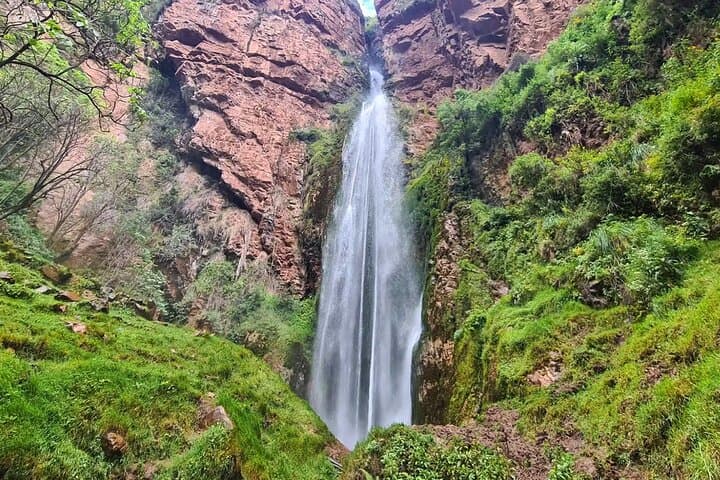
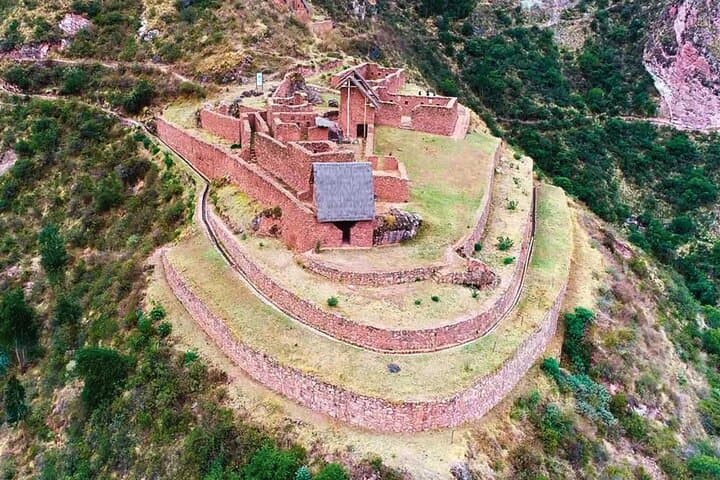
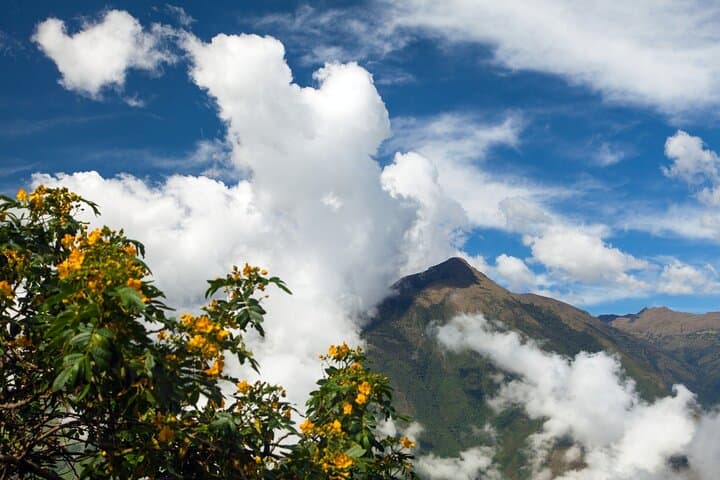
At first light the trail slips away from Soqma’s high pastures, the path a narrow ribbon of dust and stone that climbs steadily beneath peaks. You move with the cadence of llamas and the sure breath of the Andes—coca tea warming your hands before a long day—each step pushing higher toward passes, terraces and ruined walls until Machu Picchu appears on the horizon.
At first light the trail slips away from Soqma’s high pastures, the path a narrow ribbon of dust and stone that climbs steadily beneath peaks. You move with the cadence of llamas and the sure breath of the Andes—coca tea warming your hands before a long day—each step pushing higher toward passes, terraces and ruined walls until Machu Picchu appears on the horizon.
The Ancascocha Trek runs five days between the Cusco highlands and the Machu Picchu citadel, threading lesser-known Inca sites such as Perolniyoc, Paucarcancha and Llactapata. Geologically the route traverses folded Paleozoic and Mesozoic formations and steep valleys cut by the Vilcanota watershed; soils shift from puna grassland to cloud forest as you descend. Culturally, Quechua communities still shepherd alpacas and maintain terrace agriculture—guides explain local farming rites and stonework methods used by the Incas.
Expect sustained days: long ascents to passes near 4,200–4,500 m with steep rocky switchbacks, then knife-edged ridgelines and grassy descents. Nights are camping at basic sites (tents and camp kitchen provided), with one hotel night in Aguas Calientes before an early Machu Picchu visit. Practicalities: acclimatize in Cusco 1–2 days, bring layered insulation for cold nights, treat water or use purification tablets, and carry sun protection—UV is strong. Stiff-soled boots and trekking poles make steep descents easier; pack light—horses carry camp gear. Book permits and train tickets well ahead; a high level of fitness for multi-day altitude trekking is required.