THE ADVENTURE COLLECTIVE® · Independent discovery and booking for outdoor travel

Wake before dawn and follow a guide into Anawilundawa’s mosaic of coast, mangrove and freshwater tanks. This five‑hour walk from Kalpitiya offers concentrated birding in one of Sri Lanka’s Ramsar wetlands.
Wake before dawn and follow a guide into Anawilundawa’s mosaic of coast, mangrove and freshwater tanks. This five‑hour walk from Kalpitiya offers concentrated birding in one of Sri Lanka’s Ramsar wetlands.
Dawn in Anawilundawa arrives with water and wind negotiating the shoreline; cranes call before the sun clears the horizon and the lagoon pushes light across reed beds.
Verified experiences and guided adventures in the surrounding area.
Operated by Lakpura LLC · Chilaw, North Western Province
Dawn in Anawilundawa arrives with water and wind negotiating the shoreline; cranes call before the sun clears the horizon and the lagoon pushes light across reed beds.
This walk moves through three joined ecosystems — coastal flats, mangrove channels and freshwater tanks — a rare confluence that earned Anawilundawa Ramsar recognition. Geologically, the site is a low-lying coastal plain shaped by tidal exchange and seasonal flooding; culturally, the surrounding villages maintain small-scale fisheries and tank irrigation systems that have coexisted with the wetlands for generations.
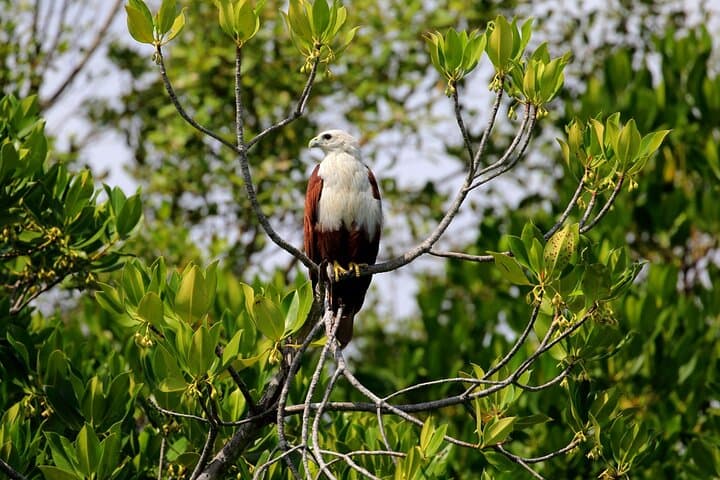
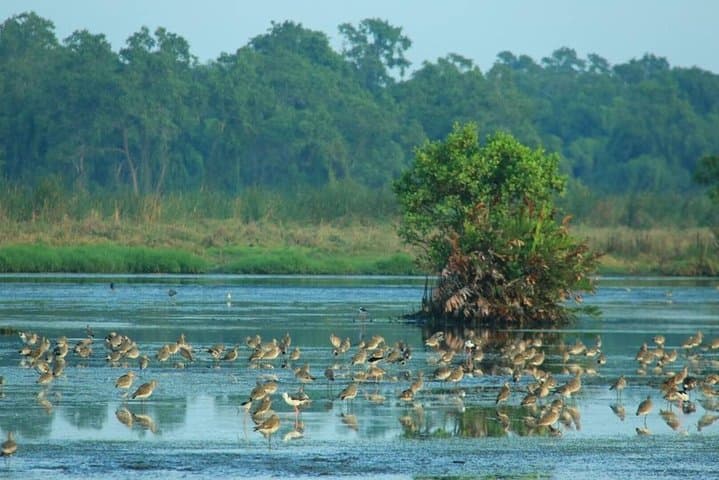
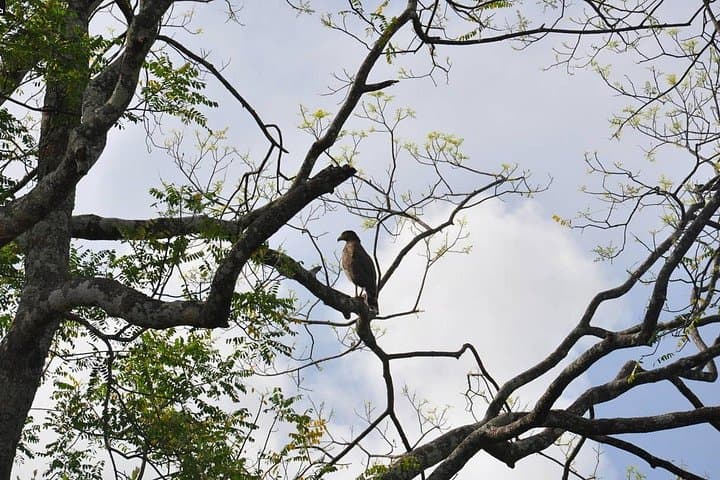
On the trail expect boardwalks, muddy margins and open shallow water where waders probe and herons stand like sentries. Bird species shift with habitat: waterbirds and waders cluster on mudflats at low tide, while forest edges host passerines and drongos. Your guide will point out identification marks, call notes and where to set stillness for skittish species; dragonflies and small reptiles frequently punctuate the binocular view.
Practical guidance: start before sunrise to catch peak activity, wear quick-dry clothing and flat, grip soles for soft, uneven ground. Bring binoculars, a field guide or the guide’s commentary will suffice for casual watchers. Respect nesting zones and avoid sudden movements — the reserve’s value depends on low disturbance. A typical outing runs about five hours including travel from Kalpitiya; pack water, insect repellent and a light rain layer in monsoon season. For anyone interested in wetlands ecology, Anawilundawa delivers concentrated birding and a close-up look at how human use and protected habitat intersect.
moderate.
5 hours (including transport).
Moderate fitness recommended: short walks on soft or uneven ground with occasional standing.
Tours usually include early morning pickup in Kalpitiya with a roughly 2–2.5 hour drive depending on route and traffic; confirm pickup details when booking.
Early morning during the dry season yields the most activity; however migratory concentrations peak in the cooler months (November–March).
Yes, but the walk involves uneven surfaces and early hours—families should assess fitness and bring suitable footwear for kids.
Access is limited: boardwalks exist in places but soft, muddy ground and uneven paths can make full access challenging for those with mobility issues.
Anawilundawa was declared a Ramsar wetland for its rare mix of coastal, mangrove and freshwater habitats and long-standing role in local fisheries and irrigation.
The reserve faces pressure from changing land use and water management; low-impact visitation and following guide instructions help minimize disturbance to nesting birds.
Lakpura LLC operates guided outdoor trips and adventures with an emphasis on safety, stewardship, and memorable experiences.

Dawn in Anawilundawa arrives with water and wind negotiating the shoreline; cranes call before the sun clears the horizon and the lagoon pushes light across reed beds.
Dawn in Anawilundawa arrives with water and wind negotiating the shoreline; cranes call before the sun clears the horizon and the lagoon pushes light across reed beds.
This walk moves through three joined ecosystems — coastal flats, mangrove channels and freshwater tanks — a rare confluence that earned Anawilundawa Ramsar recognition. Geologically, the site is a low-lying coastal plain shaped by tidal exchange and seasonal flooding; culturally, the surrounding villages maintain small-scale fisheries and tank irrigation systems that have coexisted with the wetlands for generations.
On the trail expect boardwalks, muddy margins and open shallow water where waders probe and herons stand like sentries. Bird species shift with habitat: waterbirds and waders cluster on mudflats at low tide, while forest edges host passerines and drongos. Your guide will point out identification marks, call notes and where to set stillness for skittish species; dragonflies and small reptiles frequently punctuate the binocular view.
Practical guidance: start before sunrise to catch peak activity, wear quick-dry clothing and flat, grip soles for soft, uneven ground. Bring binoculars, a field guide or the guide’s commentary will suffice for casual watchers. Respect nesting zones and avoid sudden movements — the reserve’s value depends on low disturbance. A typical outing runs about five hours including travel from Kalpitiya; pack water, insect repellent and a light rain layer in monsoon season. For anyone interested in wetlands ecology, Anawilundawa delivers concentrated birding and a close-up look at how human use and protected habitat intersect.