THE ADVENTURE COLLECTIVE® · Independent discovery and booking for outdoor travel

Leave Colombo before dawn for a full-day birding trek through Anawilundawa, a Ramsar wetland where mangroves, freshwater tanks and coastline meet. Expect waterbirds, waders and guided stops at lookout points with practical tips for timing and gear.
Leave Colombo before dawn for a full-day birding trek through Anawilundawa, a Ramsar wetland where mangroves, freshwater tanks and coastline meet. Expect waterbirds, waders and guided stops at lookout points with practical tips for timing and gear.
You leave Colombo before dawn, the city lights shrinking as the road slices toward the west coast.
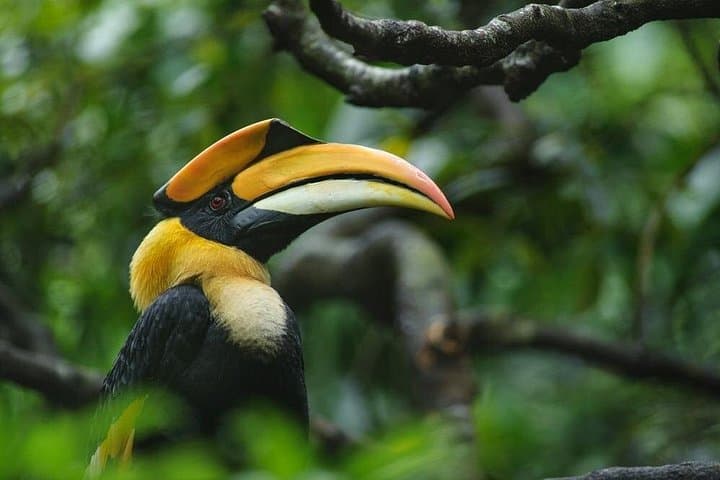
By sunrise the wetlands spread like a shallow mirror: sallow reed beds, mangrove ribs and freshwater tanks, and the air already threaded with call notes. On a guided trek through Anawilundawa Bird Sanctuary the landscape does the work of introduction — coots slipping through lily pads, herons posing on mudflats, and flocks of waders tracing low arcs above the water.
Anawilundawa sits between coastal lagoon, mangrove and freshwater tank ecosystems, a junction that explains both its bird diversity and its Ramsar designation. Geologically the area is recent coastal plain, shaped by lagoons and tidal exchange; culturally it’s part of a fishing and rice-farming landscape where local communities still draw on wetland resources.
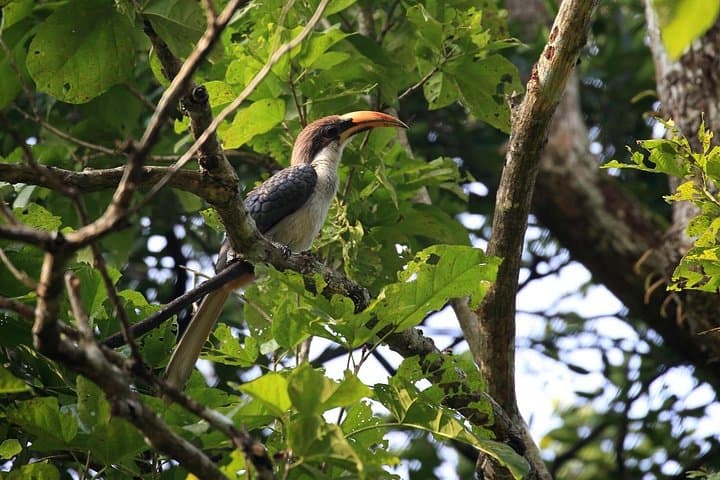
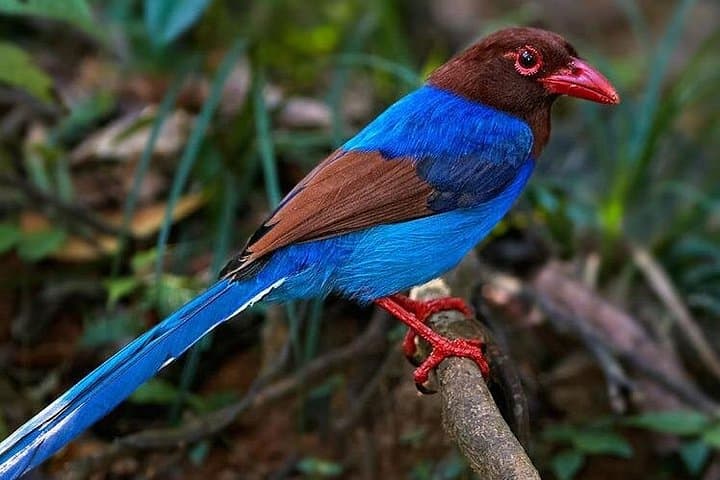
Expect guided searches for waterbirds, waders and forest species along short trails and low dikes, with stops at lookout points and quiet boat or boardwalk sections. Guides point out seasonal migrants, nesting colonies and microhabitats where dragonflies patrol like miniature hawks.
Practical guidance: start before first light to catch peak bird activity, wear muted colors and soft-soled shoes for muddy tracks, and bring water and sun protection — shade is limited on open tanks. Respect nesting areas and keep voices low; the guide will manage routes and timing to minimize disturbance.
A day here is equal parts patient observation and short-fieldwork: the sanctuary invites close looking, and rewards those who let the wetlands set the pace.
Verified experiences and guided adventures in the surrounding area.
Operated by Lakpura LLC · Chilaw, North Western Province
You leave Colombo before dawn, the city lights shrinking as the road slices toward the west coast.
By sunrise the wetlands spread like a shallow mirror: sallow reed beds, mangrove ribs and freshwater tanks, and the air already threaded with call notes. On a guided trek through Anawilundawa Bird Sanctuary the landscape does the work of introduction — coots slipping through lily pads, herons posing on mudflats, and flocks of waders tracing low arcs above the water.
Anawilundawa sits between coastal lagoon, mangrove and freshwater tank ecosystems, a junction that explains both its bird diversity and its Ramsar designation. Geologically the area is recent coastal plain, shaped by lagoons and tidal exchange; culturally it’s part of a fishing and rice-farming landscape where local communities still draw on wetland resources.
Expect guided searches for waterbirds, waders and forest species along short trails and low dikes, with stops at lookout points and quiet boat or boardwalk sections. Guides point out seasonal migrants, nesting colonies and microhabitats where dragonflies patrol like miniature hawks.
Practical guidance: start before first light to catch peak bird activity, wear muted colors and soft-soled shoes for muddy tracks, and bring water and sun protection — shade is limited on open tanks. Respect nesting areas and keep voices low; the guide will manage routes and timing to minimize disturbance.
A day here is equal parts patient observation and short-fieldwork: the sanctuary invites close looking, and rewards those who let the wetlands set the pace.
moderate.
9 hours (full day).
Suitable for travelers with moderate fitness who can walk short uneven trails and stand for extended observation periods
Pick-up in Colombo is very early; the drive to Anawilundawa takes about 2–2.5 hours each way, making this a full-day outing (about 9 hours total).
Yes—guided, private format and patient pace make it ideal for newcomers; basic walking on uneven ground is required.
The tour description indicates entrance ticket and air-conditioned transport are included; confirm at booking for any extras such as meals or optional boat rides.
Winter months (December–February) bring Palearctic migrants; year-round there are abundant resident waterbirds, but check monsoon timing for access.
Anawilundawa is one of Sri Lanka’s Ramsar-listed wetlands, protected for its role as a breeding and feeding ground where coastal and inland ecosystems meet.
Wetland health is vulnerable to agricultural runoff, shrimp farms and development; follow guide instructions, stay on paths and avoid disturbing nesting colonies to minimize impact.
Lakpura LLC operates guided outdoor trips and adventures with an emphasis on safety, stewardship, and memorable experiences.
You leave Colombo before dawn, the city lights shrinking as the road slices toward the west coast.
By sunrise the wetlands spread like a shallow mirror: sallow reed beds, mangrove ribs and freshwater tanks, and the air already threaded with call notes. On a guided trek through Anawilundawa Bird Sanctuary the landscape does the work of introduction — coots slipping through lily pads, herons posing on mudflats, and flocks of waders tracing low arcs above the water.
Anawilundawa sits between coastal lagoon, mangrove and freshwater tank ecosystems, a junction that explains both its bird diversity and its Ramsar designation. Geologically the area is recent coastal plain, shaped by lagoons and tidal exchange; culturally it’s part of a fishing and rice-farming landscape where local communities still draw on wetland resources.
Expect guided searches for waterbirds, waders and forest species along short trails and low dikes, with stops at lookout points and quiet boat or boardwalk sections. Guides point out seasonal migrants, nesting colonies and microhabitats where dragonflies patrol like miniature hawks.
Practical guidance: start before first light to catch peak bird activity, wear muted colors and soft-soled shoes for muddy tracks, and bring water and sun protection — shade is limited on open tanks. Respect nesting areas and keep voices low; the guide will manage routes and timing to minimize disturbance.
A day here is equal parts patient observation and short-fieldwork: the sanctuary invites close looking, and rewards those who let the wetlands set the pace.
You leave Colombo before dawn, the city lights shrinking as the road slices toward the west coast.
By sunrise the wetlands spread like a shallow mirror: sallow reed beds, mangrove ribs and freshwater tanks, and the air already threaded with call notes. On a guided trek through Anawilundawa Bird Sanctuary the landscape does the work of introduction — coots slipping through lily pads, herons posing on mudflats, and flocks of waders tracing low arcs above the water.
Anawilundawa sits between coastal lagoon, mangrove and freshwater tank ecosystems, a junction that explains both its bird diversity and its Ramsar designation. Geologically the area is recent coastal plain, shaped by lagoons and tidal exchange; culturally it’s part of a fishing and rice-farming landscape where local communities still draw on wetland resources.
Expect guided searches for waterbirds, waders and forest species along short trails and low dikes, with stops at lookout points and quiet boat or boardwalk sections. Guides point out seasonal migrants, nesting colonies and microhabitats where dragonflies patrol like miniature hawks.
Practical guidance: start before first light to catch peak bird activity, wear muted colors and soft-soled shoes for muddy tracks, and bring water and sun protection — shade is limited on open tanks. Respect nesting areas and keep voices low; the guide will manage routes and timing to minimize disturbance.
A day here is equal parts patient observation and short-fieldwork: the sanctuary invites close looking, and rewards those who let the wetlands set the pace.