THE ADVENTURE COLLECTIVE® · Independent discovery and booking for outdoor travel

Anawangin Cove offers an unusual pine-lined beach formed after the 1991 Pinatubo eruption. Expect a short outrigger ride, easy hikes to viewpoints, and popular camping under the trees.
Anawangin Cove offers an unusual pine-lined beach formed after the 1991 Pinatubo eruption. Expect a short outrigger ride, easy hikes to viewpoints, and popular camping under the trees.
A silver boat parts the blue, and the shore of Anawangin Cove appears—an expanse of white sand rimmed not by palms but by tall, wind-pruned pine trees that lean inland toward the Zambales range. The air smells faintly of resin and sea; waves pulse gently against a shallow crescent of beach where campers string hammocks and fishermen mend nets.
Verified experiences and guided adventures in the surrounding area.
Operated by CTPH TOUR · San Antonio, Zambales
A silver boat parts the blue, and the shore of Anawangin Cove appears—an expanse of white sand rimmed not by palms but by tall, wind-pruned pine trees that lean inland toward the Zambales range. The air smells faintly of resin and sea; waves pulse gently against a shallow crescent of beach where campers string hammocks and fishermen mend nets.
Geology and history here are raw: the 1991 eruption of Mount Pinatubo blanketed this coast in ash and lahar, reshaping the shoreline and creating the unusual pine-dominated landscape visitors now find striking. Locals from nearby Pundaquit and San Antonio run small boat services, and the area’s modest cottages and campsite culture reflect a practical seaside life—simple, communal, and tied to tides.
Expect a 20–40 minute outrigger ride from Pundaquit across calm waters, then a low-gradient walk along sand into the cove. Day trips center on swimming, snorkeling, and short ridge scrambles (viewpoint climbs are typically 15–30 minutes with ~80–150 m elevation gain). Camping is common; flat sand campsites sit close to the tree line where fires are sometimes allowed under local rules.
Practical tips: go early to avoid midday heat, bring ample drinking water and cash for entrance and cottage fees, and pack reef-safe sunscreen. Footwear should handle sand and short rocky scrambles. If you plan to camp, reserve or arrive with supplies—local vendors are limited. Respect quiet hours and pack out refuse: the cove’s fragile shoreline and marine life depend on low-impact visitors.
easy.
8–10 hours.
Suitable for general fitness; requires ability to walk on sand and climb short, steeper ridge sections for viewpoints
From Pundaquit the outrigger ride generally takes 20–40 minutes depending on sea conditions and the operator.
Yes—camping is popular; there are designated spots near the tree line and simple cottage options, but bring supplies and be prepared for basic facilities.
Snorkeling can be rewarding near rocky points and shallow reefs; visibility varies with season and recent weather—reef-safe sunscreen is recommended.
Dry season (March–May) offers the most reliable beach weather and calm seas for boat access; avoid the southwest monsoon months if possible.
The cove’s pine-dominated shoreline and sandy soil are largely the result of ash and lahar deposits from the 1991 Mount Pinatubo eruption, which reshaped Zambales’ coastlines.
Camping and day use are regulated locally; carry out trash, use existing fire rings where allowed, and use reef-safe sunscreen to reduce impact on coastal ecosystems.
CTPH TOUR operates guided outdoor trips and adventures with an emphasis on safety, stewardship, and memorable experiences.
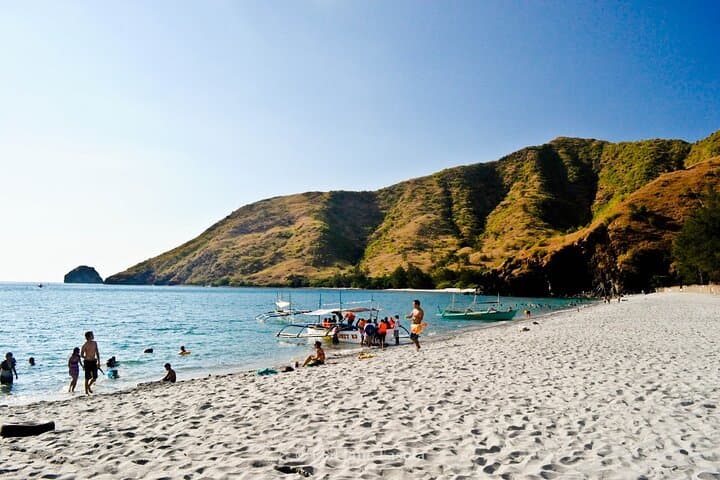
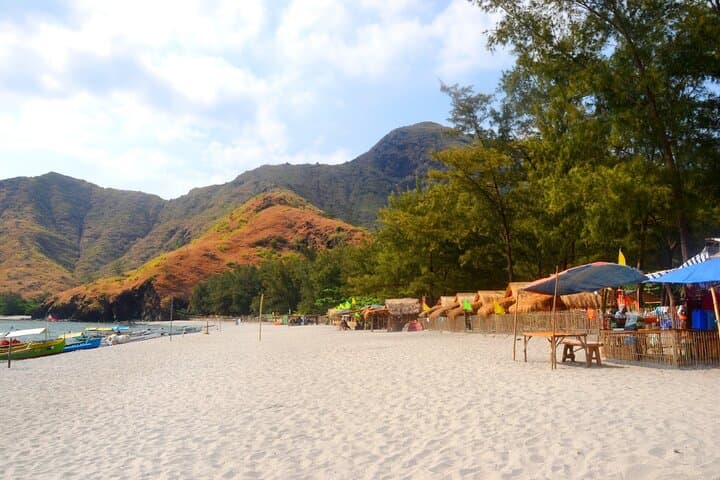
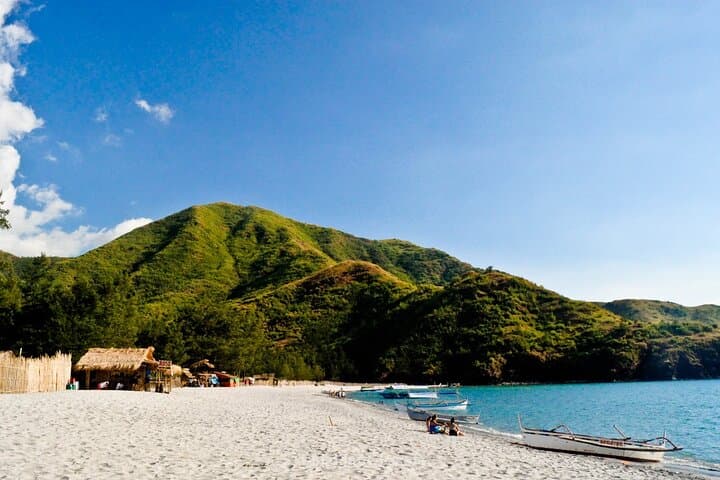
A silver boat parts the blue, and the shore of Anawangin Cove appears—an expanse of white sand rimmed not by palms but by tall, wind-pruned pine trees that lean inland toward the Zambales range. The air smells faintly of resin and sea; waves pulse gently against a shallow crescent of beach where campers string hammocks and fishermen mend nets.
A silver boat parts the blue, and the shore of Anawangin Cove appears—an expanse of white sand rimmed not by palms but by tall, wind-pruned pine trees that lean inland toward the Zambales range. The air smells faintly of resin and sea; waves pulse gently against a shallow crescent of beach where campers string hammocks and fishermen mend nets.
Geology and history here are raw: the 1991 eruption of Mount Pinatubo blanketed this coast in ash and lahar, reshaping the shoreline and creating the unusual pine-dominated landscape visitors now find striking. Locals from nearby Pundaquit and San Antonio run small boat services, and the area’s modest cottages and campsite culture reflect a practical seaside life—simple, communal, and tied to tides.
Expect a 20–40 minute outrigger ride from Pundaquit across calm waters, then a low-gradient walk along sand into the cove. Day trips center on swimming, snorkeling, and short ridge scrambles (viewpoint climbs are typically 15–30 minutes with ~80–150 m elevation gain). Camping is common; flat sand campsites sit close to the tree line where fires are sometimes allowed under local rules.
Practical tips: go early to avoid midday heat, bring ample drinking water and cash for entrance and cottage fees, and pack reef-safe sunscreen. Footwear should handle sand and short rocky scrambles. If you plan to camp, reserve or arrive with supplies—local vendors are limited. Respect quiet hours and pack out refuse: the cove’s fragile shoreline and marine life depend on low-impact visitors.