THE ADVENTURE COLLECTIVE® · Independent discovery and booking for outdoor travel

Drive from Chandigarh into the foothills to experience Anandpur Sahib’s living Sikh heritage—Takht Sri Kesgarh Sahib Ji, the Virasat-e-Khalsa museum, and nearby wetlands. This full-day private tour blends history, ritual, and accessible walking with practical tips for timing and respectful dress.
Drive from Chandigarh into the foothills to experience Anandpur Sahib’s living Sikh heritage—Takht Sri Kesgarh Sahib Ji, the Virasat-e-Khalsa museum, and nearby wetlands. This full-day private tour blends history, ritual, and accessible walking with practical tips for timing and respectful dress.
You arrive on a sun-dusted morning, the highway folding open as fields and low hills take over from Chandigarh’s ordered grid. The van hums and the landscape loosens; by the time you crest the slope above Takht Sri Kesgarh Sahib Ji, the white complex stands firm against a pale sky, its courtyards alive with reverent motion.
Verified experiences and guided adventures in the surrounding area.
Operated by Agora Voyages Pvt. Ltd. · Anandpur Sahib, Punjab
You arrive on a sun-dusted morning, the highway folding open as fields and low hills take over from Chandigarh’s ordered grid. The van hums and the landscape loosens; by the time you crest the slope above Takht Sri Kesgarh Sahib Ji, the white complex stands firm against a pale sky, its courtyards alive with reverent motion.
Anandpur Sahib is where Guru Gobind Singh founded the Khalsa in 1699, and the town wears that history plainly—fortified gurdwaras, relics of arms, and the modern Virasat-e-Khalsa museum that lays out Sikh history in concrete, audio, and artifact. Geologically, this part of Punjab sits on the lower Shivalik foothills: rolling sandstone and alluvial plains that funnel rivers and wetlands like the nearby Ropar, which hosts migratory birds each winter.
Culturally the day is tactile: shoes off at shrine thresholds, the steady rhythm of langar (community kitchen), and the museum’s scripted displays that turn complex history into a linear walk. Expect local lanes with spice shops and small market stalls if you wander beyond the main sites.
Practical guide: the tour is a 7–8 hour outing from Chandigarh with long stretches by road and periods of standing and walking on steps and courtyards. Dress modestly and cover shoulders; bring a reusable water bottle, sun protection, and footwear that’s easy to remove. Morning pickups avoid heat and give you better light for photos. If you want quieter moments, ask your guide to time the gurdwara visits around mid-afternoon when crowds thin. Respect photography rules inside sanctified spaces and plan for some walking on uneven surfaces.
easy.
7–8 hours.
Light walking and standing; suitable for most fitness levels but expect stairs and uneven surfaces
Yes; the itinerary includes private AC car/van pickup and drop-off from hotels in Chandigarh—confirm your pickup location when booking.
Entrance fees may be included if selected at booking; otherwise you can pay locally—check your booking options for admission inclusions.
The tour is family-friendly and marked physically easy; infant seats are available and strollers can be used in many outdoor areas, but expect stairs at some sites.
October–March offers milder temperatures and birdwatching at Ropar Wetland; mornings provide cooler conditions and softer light for photography.
Anandpur Sahib is the site where Guru Gobind Singh proclaimed the Khalsa in 1699; the town’s gurdwaras and Virasat-e-Khalsa museum chronicle Sikh martial and spiritual history.
Ropar Wetland is an important sanctuary for migratory birds and faces seasonal pressures—stick to marked paths, avoid disturbing wildlife, and minimize single-use plastics.
Agora Voyages Pvt. Ltd. operates guided outdoor trips and adventures with an emphasis on safety, stewardship, and memorable experiences.
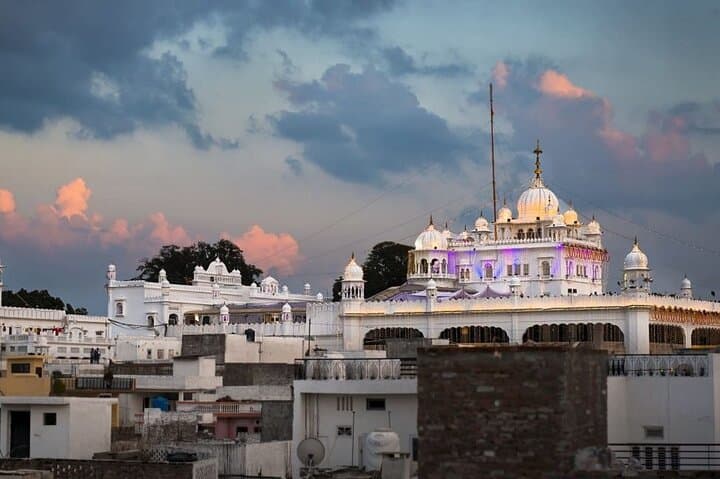
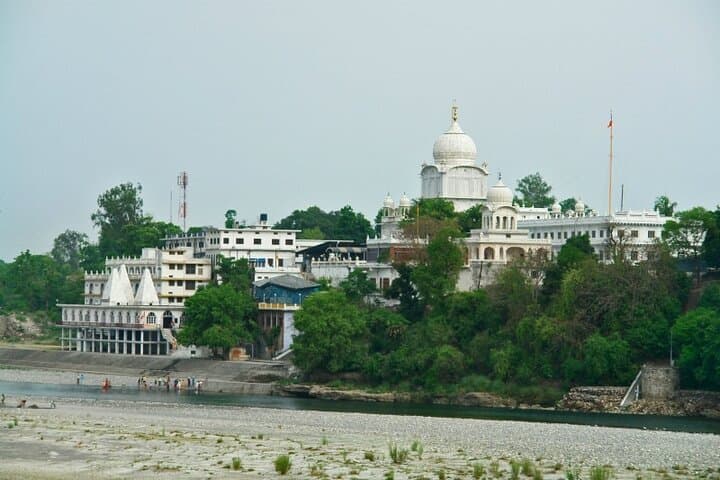
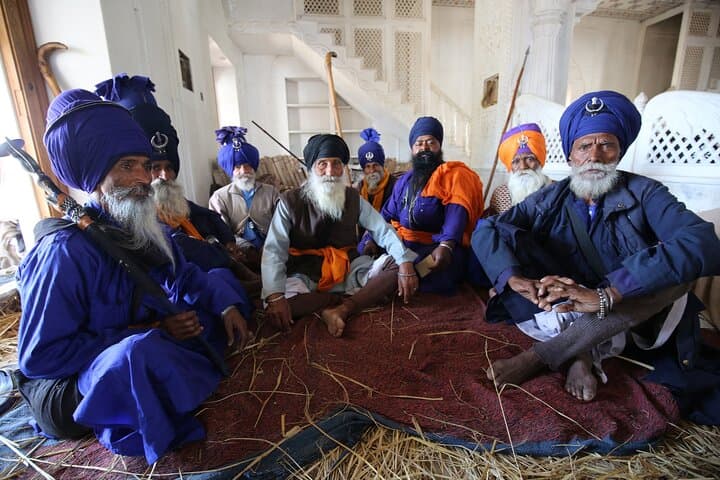
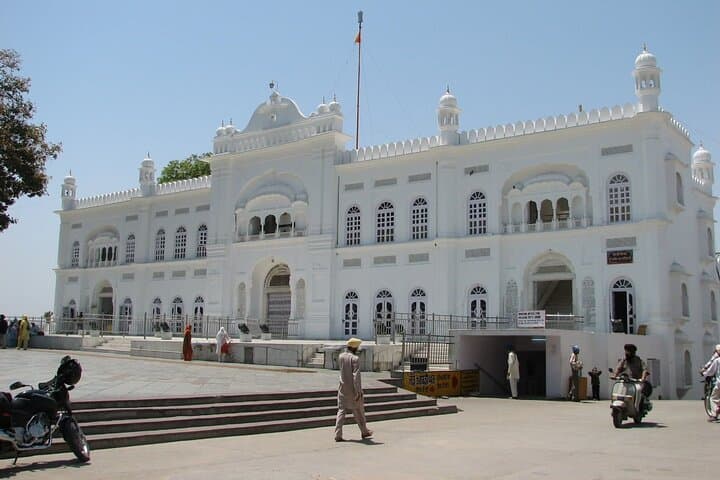
You arrive on a sun-dusted morning, the highway folding open as fields and low hills take over from Chandigarh’s ordered grid. The van hums and the landscape loosens; by the time you crest the slope above Takht Sri Kesgarh Sahib Ji, the white complex stands firm against a pale sky, its courtyards alive with reverent motion.
You arrive on a sun-dusted morning, the highway folding open as fields and low hills take over from Chandigarh’s ordered grid. The van hums and the landscape loosens; by the time you crest the slope above Takht Sri Kesgarh Sahib Ji, the white complex stands firm against a pale sky, its courtyards alive with reverent motion.
Anandpur Sahib is where Guru Gobind Singh founded the Khalsa in 1699, and the town wears that history plainly—fortified gurdwaras, relics of arms, and the modern Virasat-e-Khalsa museum that lays out Sikh history in concrete, audio, and artifact. Geologically, this part of Punjab sits on the lower Shivalik foothills: rolling sandstone and alluvial plains that funnel rivers and wetlands like the nearby Ropar, which hosts migratory birds each winter.
Culturally the day is tactile: shoes off at shrine thresholds, the steady rhythm of langar (community kitchen), and the museum’s scripted displays that turn complex history into a linear walk. Expect local lanes with spice shops and small market stalls if you wander beyond the main sites.
Practical guide: the tour is a 7–8 hour outing from Chandigarh with long stretches by road and periods of standing and walking on steps and courtyards. Dress modestly and cover shoulders; bring a reusable water bottle, sun protection, and footwear that’s easy to remove. Morning pickups avoid heat and give you better light for photos. If you want quieter moments, ask your guide to time the gurdwara visits around mid-afternoon when crowds thin. Respect photography rules inside sanctified spaces and plan for some walking on uneven surfaces.