THE ADVENTURE COLLECTIVE® · Independent discovery and booking for outdoor travel

Swap Amsterdam’s canals for pancake-flat polders on a guided bike tour of Waterland. Ride along dikes past windmills and small fishing villages while learning how the Dutch reclaimed and manage the land.
Swap Amsterdam’s canals for pancake-flat polders on a guided bike tour of Waterland. Ride along dikes past windmills and small fishing villages while learning how the Dutch reclaimed and manage the land.
A brisk morning in Amsterdam unfurls at the quay—bikes lined up, guides checking saddles, and the city’s canal water daring you to leave it behind. Within 15 minutes the tram and ferry give way to a pancake-flat landscape of reed-fringed canals, wooden houses, and windmills that appear to stand guard along the dike.
Verified experiences and guided adventures in the surrounding area.
Operated by Yellow Bike Tours & Rental · Amsterdam, North Holland
A brisk morning in Amsterdam unfurls at the quay—bikes lined up, guides checking saddles, and the city’s canal water daring you to leave it behind. Within 15 minutes the tram and ferry give way to a pancake-flat landscape of reed-fringed canals, wooden houses, and windmills that appear to stand guard along the dike.
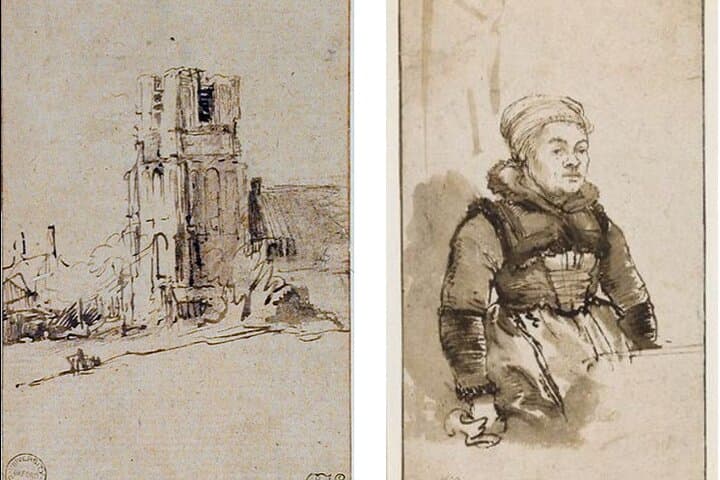
This ride explores Waterland, a low-lying district reclaimed from the sea over centuries of Dutch engineering. The route threads through polders and villages where churches and painted towers once found fame on the canvases of Golden Age painters. Geologically the area is recent—peaty soils drained and held by networks of ditches and pumping stations—so the terrain is uniformly flat with minimal elevation gain, but the land’s history is written in its dikes and sluices.
Culturally, expect small-scale agriculture, fishermen’s cottages, and towns that grow quiet after the morning tide of cyclists passes. Nature acts with intent here: canals guide you, winds push across open fields, and cows graze as if timing your pause.
Practical guidance: the four-hour loop covers roughly 20–25 km on mostly paved rural lanes and firm gravel; novice cyclists with basic handling will manage it, but a moderate level of fitness makes the lunch break more enjoyable. Bring layered waterproofs—weather shifts quickly on exposed dikes—carry a charged phone, and plan for a café stop in one of the villages. Public transport access near Central Station and included bike use make this an easy full-morning or afternoon outing for visitors wanting an immediate taste of Dutch countryside engineering and calm.
moderate.
3–4 hours.
Moderate—comfortable on a bike for 20–25 km with occasional stops; some stamina for pedaling into headwinds is useful.
It starts near Amsterdam Central Station and returns to the same meeting point for easy public transport access.
The terrain is flat and the route is suitable for cyclists with moderate fitness; some experience riding in traffic and on narrow lanes helps.
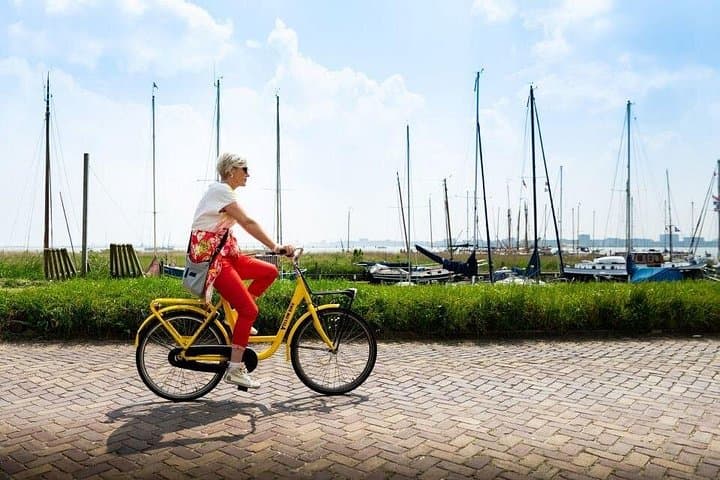
Bicycles are included; they are comfortable city/touring bikes suitable for paved and firm gravel paths.
Yes—there is a 30–45 minute village break for lunch; villages typically have cafes and public restrooms.
Waterland’s landscape was shaped by centuries of peat extraction and land reclamation; polders and dikes here reflect Dutch water-management innovation from the medieval period onward.
Stay on marked lanes and avoid trampling ditches; the region’s low-lying habitats are sensitive to erosion and disturbance, and local farmers manage fields for biodiversity where possible.
Yellow Bike Tours & Rental operates guided outdoor trips and adventures with an emphasis on safety, stewardship, and memorable experiences.
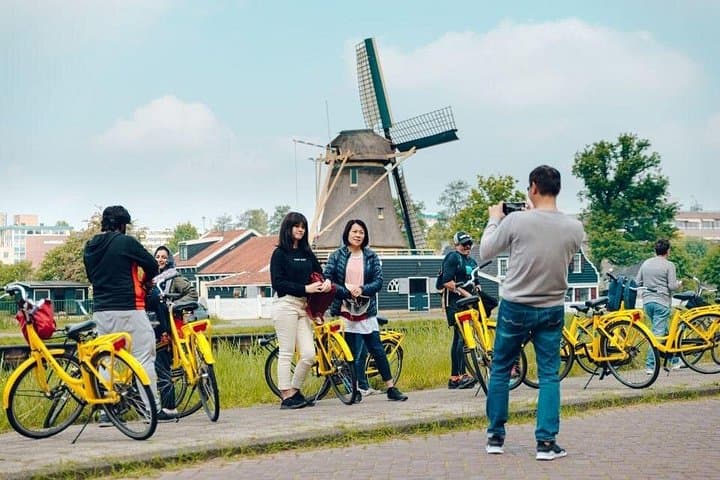
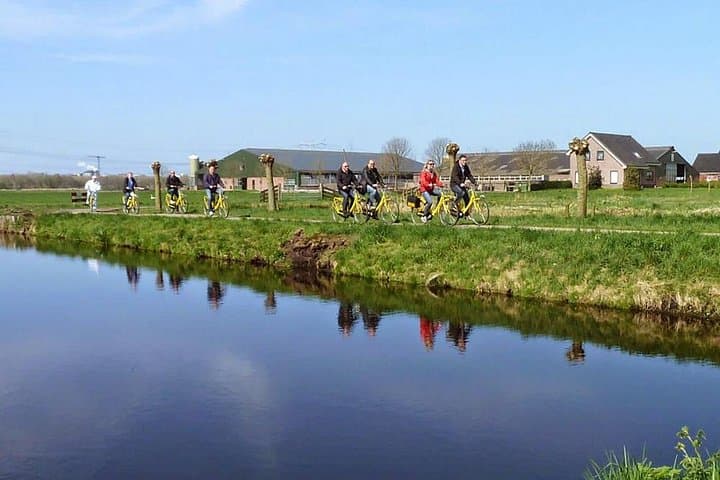
A brisk morning in Amsterdam unfurls at the quay—bikes lined up, guides checking saddles, and the city’s canal water daring you to leave it behind. Within 15 minutes the tram and ferry give way to a pancake-flat landscape of reed-fringed canals, wooden houses, and windmills that appear to stand guard along the dike.
A brisk morning in Amsterdam unfurls at the quay—bikes lined up, guides checking saddles, and the city’s canal water daring you to leave it behind. Within 15 minutes the tram and ferry give way to a pancake-flat landscape of reed-fringed canals, wooden houses, and windmills that appear to stand guard along the dike.
This ride explores Waterland, a low-lying district reclaimed from the sea over centuries of Dutch engineering. The route threads through polders and villages where churches and painted towers once found fame on the canvases of Golden Age painters. Geologically the area is recent—peaty soils drained and held by networks of ditches and pumping stations—so the terrain is uniformly flat with minimal elevation gain, but the land’s history is written in its dikes and sluices.
Culturally, expect small-scale agriculture, fishermen’s cottages, and towns that grow quiet after the morning tide of cyclists passes. Nature acts with intent here: canals guide you, winds push across open fields, and cows graze as if timing your pause.
Practical guidance: the four-hour loop covers roughly 20–25 km on mostly paved rural lanes and firm gravel; novice cyclists with basic handling will manage it, but a moderate level of fitness makes the lunch break more enjoyable. Bring layered waterproofs—weather shifts quickly on exposed dikes—carry a charged phone, and plan for a café stop in one of the villages. Public transport access near Central Station and included bike use make this an easy full-morning or afternoon outing for visitors wanting an immediate taste of Dutch countryside engineering and calm.