THE ADVENTURE COLLECTIVE® · Independent discovery and booking for outdoor travel

Travel west from Amsterdam into the Bollenstreek for a small-group spring tour through tulip, hyacinth and daffodil fields. This seasonal drive-and-walk experience includes photo stops, a visit to a bulb farmer and Dutch apple pie.
Travel west from Amsterdam into the Bollenstreek for a small-group spring tour through tulip, hyacinth and daffodil fields. This seasonal drive-and-walk experience includes photo stops, a visit to a bulb farmer and Dutch apple pie.
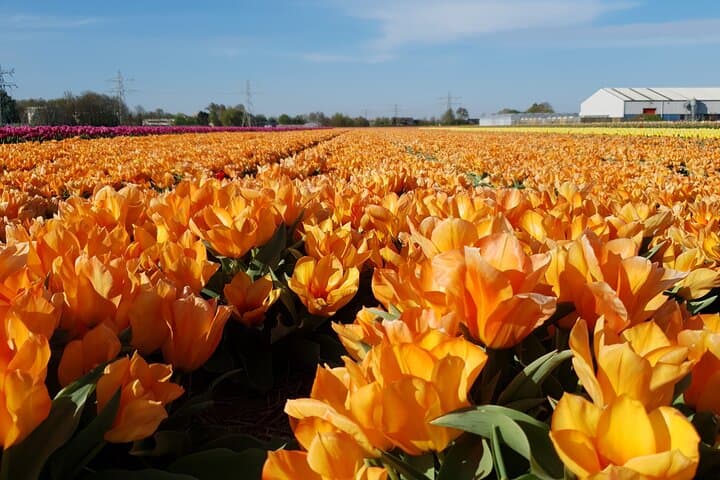
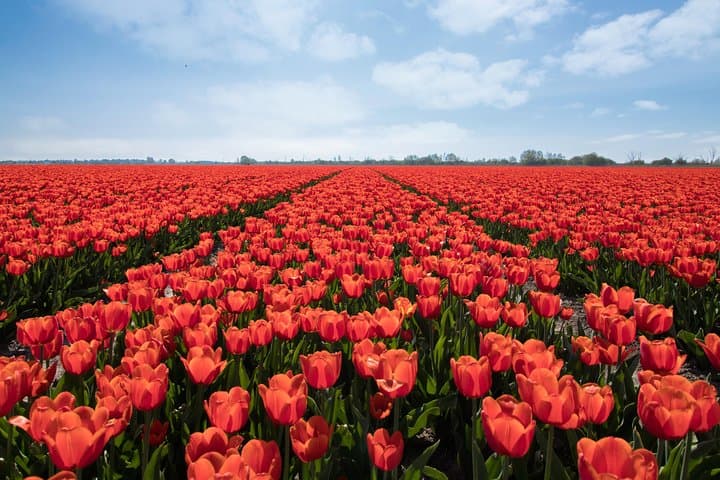
You roll out of Amsterdam and the city gives way to a checkerboard of canals, green dikes and fields that seem to hum with color. The van slips along rural roads, and suddenly the view opens: endless rows of tulips, hyacinths and daffodils running to the horizon, colors stacked like painter’s swatches. The small-group format means stops at lanes and farm gates where larger coaches can’t park—moments that feel private even when the fields are broad.
Verified experiences and guided adventures in the surrounding area.
Operated by Amsterdam countryside tours · Lisse, South Holland
You roll out of Amsterdam and the city gives way to a checkerboard of canals, green dikes and fields that seem to hum with color. The van slips along rural roads, and suddenly the view opens: endless rows of tulips, hyacinths and daffodils running to the horizon, colors stacked like painter’s swatches. The small-group format means stops at lanes and farm gates where larger coaches can’t park—moments that feel private even when the fields are broad.
This landscape is man-made: reclaimed polders, sandy soils, and centuries of selective bulb cultivation. Tulip mania of the 17th century left its mark on Dutch culture, and today specialist growers rotate bulbs and manage soil carefully to produce the precise bloom windows in March and April. Expect practical stories on planting cycles, bulb harvesting, and how the region’s geology—sandy, well-drained soil atop reclaimed land—makes it uniquely suited to flowers.
For travelers: the photo stops are timed for light and access, and there’s a mid-tour coffee and Dutch apple pie at a local spot. Water and a comfortable ride are included, but you’ll want to plan your timing—peak color is short, and fields change daily.
Practical advice: go early in the season window (ideally mid-April), bring layered clothing for wind and sun, and carry a camera and small telephoto for field patterns. Respect private farmland—stay on tracks, follow the guide’s directions, and be ready for short walks in soft, sometimes muddy ground. The tour is low-effort but high-reward: sensory, photographic, and unexpectedly agricultural in its insights.
easy.
4–5 hours.
Suitable for most fitness levels; involves short walks on flat, sometimes uneven or muddy paths.
Seasonal peak usually falls in April; the optimal window is roughly early to late April but varies by year and weather.
Most fields are private farmland; your guide will bring you to permitted areas and a bulb farmer where walking is allowed—always follow directions to avoid damaging crops.
The experience is about 4–5 hours (270 minutes) with round-trip transport from Amsterdam in an air-conditioned vehicle included.
Yes—this is a low-impact, easy tour with short walks; notify the operator of mobility needs when booking for best accommodations.
The bulb region grew from 17th-century horticultural innovation and the later commercialization of tulips; land reclamation and soil selection shaped the modern Bollenstreek.
Fields are working agricultural land—minimize impact by staying on tracks, avoid picking blooms, and support local growers by buying from farm stalls.
Amsterdam countryside tours operates guided outdoor trips and adventures with an emphasis on safety, stewardship, and memorable experiences.


You roll out of Amsterdam and the city gives way to a checkerboard of canals, green dikes and fields that seem to hum with color. The van slips along rural roads, and suddenly the view opens: endless rows of tulips, hyacinths and daffodils running to the horizon, colors stacked like painter’s swatches. The small-group format means stops at lanes and farm gates where larger coaches can’t park—moments that feel private even when the fields are broad.
You roll out of Amsterdam and the city gives way to a checkerboard of canals, green dikes and fields that seem to hum with color. The van slips along rural roads, and suddenly the view opens: endless rows of tulips, hyacinths and daffodils running to the horizon, colors stacked like painter’s swatches. The small-group format means stops at lanes and farm gates where larger coaches can’t park—moments that feel private even when the fields are broad.
This landscape is man-made: reclaimed polders, sandy soils, and centuries of selective bulb cultivation. Tulip mania of the 17th century left its mark on Dutch culture, and today specialist growers rotate bulbs and manage soil carefully to produce the precise bloom windows in March and April. Expect practical stories on planting cycles, bulb harvesting, and how the region’s geology—sandy, well-drained soil atop reclaimed land—makes it uniquely suited to flowers.
For travelers: the photo stops are timed for light and access, and there’s a mid-tour coffee and Dutch apple pie at a local spot. Water and a comfortable ride are included, but you’ll want to plan your timing—peak color is short, and fields change daily.
Practical advice: go early in the season window (ideally mid-April), bring layered clothing for wind and sun, and carry a camera and small telephoto for field patterns. Respect private farmland—stay on tracks, follow the guide’s directions, and be ready for short walks in soft, sometimes muddy ground. The tour is low-effort but high-reward: sensory, photographic, and unexpectedly agricultural in its insights.