THE ADVENTURE COLLECTIVE® · Independent discovery and booking for outdoor travel

This 8.5 km self-guided route pairs Amsterdam’s headline sights with quieter hofjes and hidden museums. Follow a curated PDF and Google Maps link to move at your own pace—book museums separately and plan for cobbles and bikes.
This 8.5 km self-guided route pairs Amsterdam’s headline sights with quieter hofjes and hidden museums. Follow a curated PDF and Google Maps link to move at your own pace—book museums separately and plan for cobbles and bikes.
You step off a tram and the city opens in tiers: narrow canal-side streets, a bike bell threading through the air, and gabled facades leaning like old storytellers. This self-guided walk stitches 8.5 km of Amsterdam into a single, walkable ribbon—Dam Square and the Rijksmuseum give way to quiet hofjes, pocket courtyards that feel intentionally secret.
Verified experiences and guided adventures in the surrounding area.
Operated by Holland City Walks · Amsterdam, North Holland
You step off a tram and the city opens in tiers: narrow canal-side streets, a bike bell threading through the air, and gabled facades leaning like old storytellers. This self-guided walk stitches 8.5 km of Amsterdam into a single, walkable ribbon—Dam Square and the Rijksmuseum give way to quiet hofjes, pocket courtyards that feel intentionally secret.
Amsterdam grew from a 13th-century dam on the Amstel; its canal ring expanded in the 17th century during the Dutch Golden Age. Geologically the city sits on reclaimed peat and clay, supported by thousands of wooden piles, which is why the canals and their bridges define both drainage and design. Culturally the route moves between civic center, Red Light District contrasts, market life at Albert Cuyp, and small museums that frame global stories in local rooms.
Along the way expect varied surfaces—cobblestones, narrow sidewalks, and occasional wooden footbridges—so the pace is steady but unhurried. The route highlights 19 stops: major museums, the Anne Frank House (book ahead), the Nine Streets shopping lanes, and hidden church interiors. Local insights: weekday mornings are quieter, markets pulse on weekends, and hofjes reward a slow eye.
Practical guidance: wear grippy shoes, carry a rain layer, and download the provided Google Maps link for offline navigation. Budget travelers can enjoy most vistas free; plan museum admissions separately. Keep an eye out for bicycles and respect residential courtyards—this is walking that trades speed for discovery.
easy.
2–3 hours.
Suitable for casual walkers and families; expect 8.5 km on mostly flat but uneven surfaces.
The route is about 8.5 km and the PDF estimates roughly 2–3 hours; allow extra time for museums, markets, and photo stops.
No—admissions are not included. Purchase timed-entry tickets for places like the Anne Frank House and Rijksmuseum separately.
Many sections are accessible and listed as wheelchair-friendly, but some narrow streets and cobbles may be challenging—plan an alternate path for tight canal bridges.
Photography is allowed in public streets, but avoid photographing individuals in the Red Light District and respect privacy in residential hofjes.
The city began as a dam on the Amstel in the 13th century and expanded into the concentric canal ring during the 17th-century Golden Age, shaping its distinctive urban plan.
Stay on public paths, avoid feeding wildlife, and support local museums and markets to help maintain historic sites and reduce visitor pressure on fragile hofjes.
Holland City Walks operates guided outdoor trips and adventures with an emphasis on safety, stewardship, and memorable experiences.
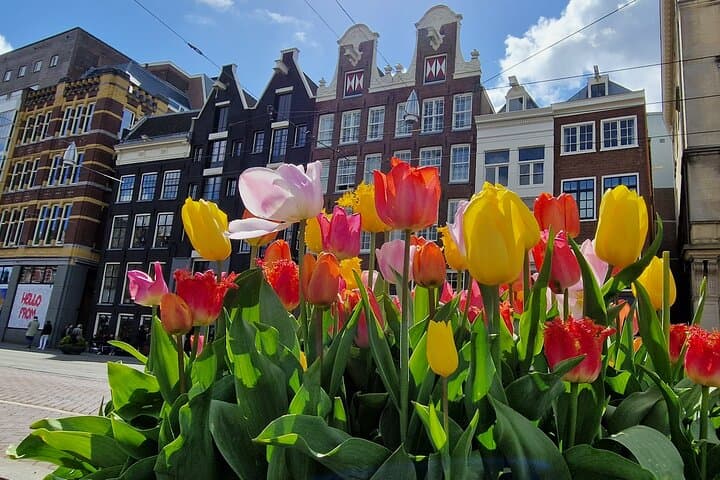
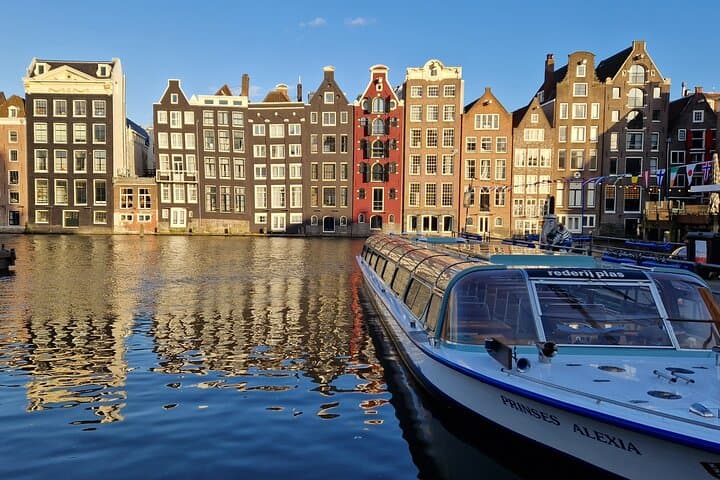
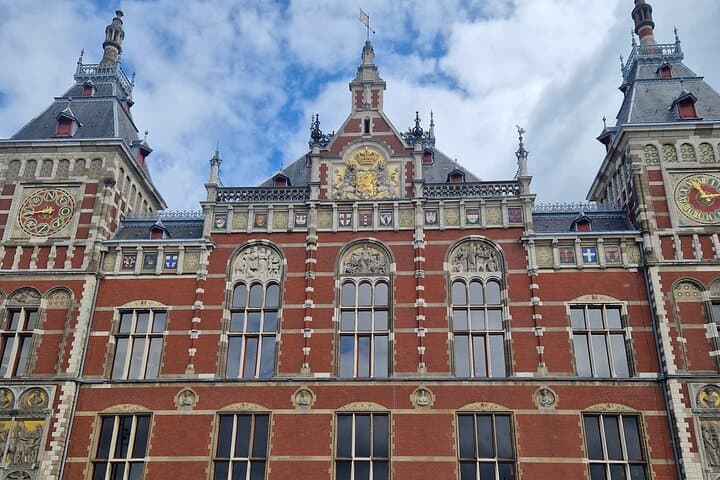
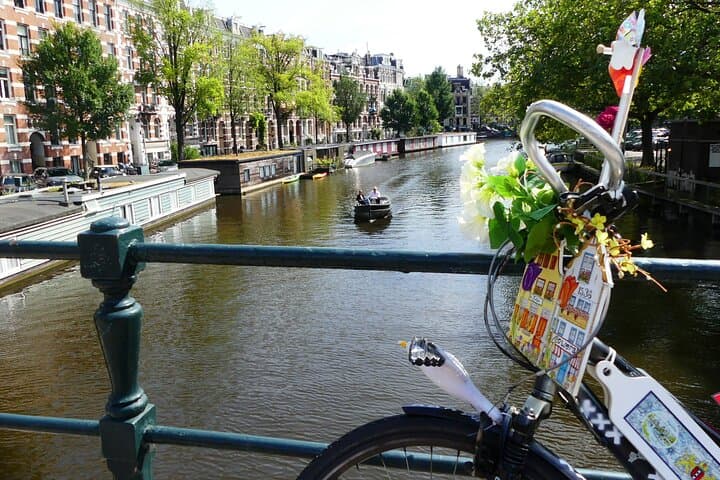
You step off a tram and the city opens in tiers: narrow canal-side streets, a bike bell threading through the air, and gabled facades leaning like old storytellers. This self-guided walk stitches 8.5 km of Amsterdam into a single, walkable ribbon—Dam Square and the Rijksmuseum give way to quiet hofjes, pocket courtyards that feel intentionally secret.
You step off a tram and the city opens in tiers: narrow canal-side streets, a bike bell threading through the air, and gabled facades leaning like old storytellers. This self-guided walk stitches 8.5 km of Amsterdam into a single, walkable ribbon—Dam Square and the Rijksmuseum give way to quiet hofjes, pocket courtyards that feel intentionally secret.
Amsterdam grew from a 13th-century dam on the Amstel; its canal ring expanded in the 17th century during the Dutch Golden Age. Geologically the city sits on reclaimed peat and clay, supported by thousands of wooden piles, which is why the canals and their bridges define both drainage and design. Culturally the route moves between civic center, Red Light District contrasts, market life at Albert Cuyp, and small museums that frame global stories in local rooms.
Along the way expect varied surfaces—cobblestones, narrow sidewalks, and occasional wooden footbridges—so the pace is steady but unhurried. The route highlights 19 stops: major museums, the Anne Frank House (book ahead), the Nine Streets shopping lanes, and hidden church interiors. Local insights: weekday mornings are quieter, markets pulse on weekends, and hofjes reward a slow eye.
Practical guidance: wear grippy shoes, carry a rain layer, and download the provided Google Maps link for offline navigation. Budget travelers can enjoy most vistas free; plan museum admissions separately. Keep an eye out for bicycles and respect residential courtyards—this is walking that trades speed for discovery.