THE ADVENTURE COLLECTIVE® · Independent discovery and booking for outdoor travel

A 105‑minute walking tour that traces De Wallen’s evolution from medieval gate to Golden Age trade quarter and modern social experiment. Expect canal-side history, civic architecture, and clear guidance on respectful visiting.
A 105‑minute walking tour that traces De Wallen’s evolution from medieval gate to Golden Age trade quarter and modern social experiment. Expect canal-side history, civic architecture, and clear guidance on respectful visiting.
Step off Dam Square and into a neighborhood that challenges expectations: narrow cobbled lanes, canals glinting with reflected streetlight, and façades that have worn centuries of trade, lawmaking and nightlife.
Verified experiences and guided adventures in the surrounding area.
Operated by Friendly Amsterdam Tours · Amsterdam, North Holland
Step off Dam Square and into a neighborhood that challenges expectations: narrow cobbled lanes, canals glinting with reflected streetlight, and façades that have worn centuries of trade, lawmaking and nightlife.
This guided 105‑minute walk threads through De Wallen, where Amsterdam grew from a medieval fishing settlement into a 17th‑century trading hub. Expect talk of the original city gate and execution square, the structural logic of canal belts cut from reclaimed marsh, and how commerce and maritime finance reshaped the district during the Golden Age.
The tour balances social history and urban geology—how land reclamation and wooden pilings allowed development on formerly waterlogged ground—and contemporary culture, including Amsterdam’s approach to regulated sex work and nightlife. Guides typically point out Amsterdam’s oldest buildings, former taverns, and the routes that fed the early stock exchange.
Practical guidance: the walk covers mostly flat cobbles and short staircases; wear supportive shoes and allow time to navigate crowds. Photography rules are strict near working windows—listen to your guide and err on the side of discretion. Groups cap at about 15 people; the route is close to trams and Amsterdam Centraal so arrival by public transport is straightforward.
Respectful behavior and awareness of local residents are central: the tour is a history and culture walk, not a spectacle. For best experience, book evening slots for atmosphere or late morning for fewer crowds, and plan for unpredictable weather with layered clothing.
easy.
1 hour 45 minutes.
Suitable for most fitness levels; requires standing and walking on uneven cobbles for the duration.
The experience runs about 105 minutes and covers a compact walking route through the central Red Light District.
Photography is allowed in public areas but strictly prohibited of sex workers in windows; guides will point out restricted zones—always ask first.
Content focuses on adult history and modern sex‑work regulation—parents should use discretion; the operator notes the walk is not recommended for travelers with reduced mobility due to cobbles and stairs.
Meeting points are in the central Red Light District near major tram stops; public transport access is excellent and you should arrive 10–15 minutes early.
De Wallen grew from a medieval fortified edge and fishing village into Amsterdam’s commercial heart in the 1600s; buildings stand on timber pilings driven into reclaimed marshland.
High foot traffic and nightlife pressure the historic fabric—stick to paved routes, avoid littering, and respect local signage to reduce impact.
Friendly Amsterdam Tours operates guided outdoor trips and adventures with an emphasis on safety, stewardship, and memorable experiences.

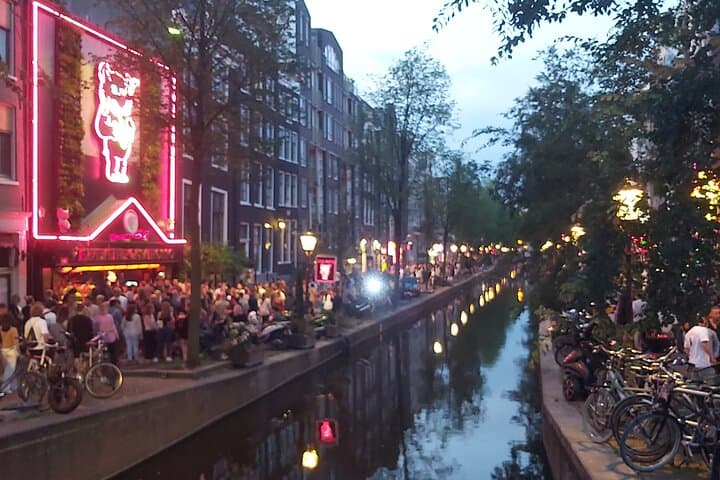

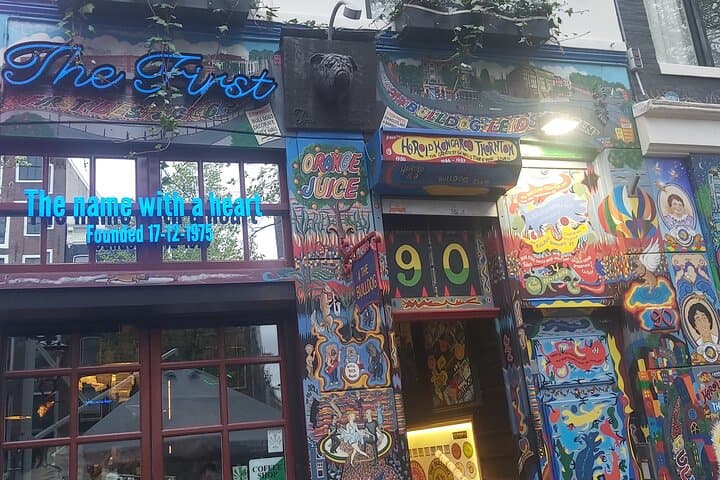
Step off Dam Square and into a neighborhood that challenges expectations: narrow cobbled lanes, canals glinting with reflected streetlight, and façades that have worn centuries of trade, lawmaking and nightlife.
Step off Dam Square and into a neighborhood that challenges expectations: narrow cobbled lanes, canals glinting with reflected streetlight, and façades that have worn centuries of trade, lawmaking and nightlife.
This guided 105‑minute walk threads through De Wallen, where Amsterdam grew from a medieval fishing settlement into a 17th‑century trading hub. Expect talk of the original city gate and execution square, the structural logic of canal belts cut from reclaimed marsh, and how commerce and maritime finance reshaped the district during the Golden Age.
The tour balances social history and urban geology—how land reclamation and wooden pilings allowed development on formerly waterlogged ground—and contemporary culture, including Amsterdam’s approach to regulated sex work and nightlife. Guides typically point out Amsterdam’s oldest buildings, former taverns, and the routes that fed the early stock exchange.
Practical guidance: the walk covers mostly flat cobbles and short staircases; wear supportive shoes and allow time to navigate crowds. Photography rules are strict near working windows—listen to your guide and err on the side of discretion. Groups cap at about 15 people; the route is close to trams and Amsterdam Centraal so arrival by public transport is straightforward.
Respectful behavior and awareness of local residents are central: the tour is a history and culture walk, not a spectacle. For best experience, book evening slots for atmosphere or late morning for fewer crowds, and plan for unpredictable weather with layered clothing.