THE ADVENTURE COLLECTIVE® · Independent discovery and booking for outdoor travel

A focused two-hour walking tour through Amsterdam’s Red Light District that pairs canal-side scenery with clear historical context. Learn why the area developed, how Dutch policy shaped it, and practical tips for navigating narrow streets and photography rules.
A focused two-hour walking tour through Amsterdam’s Red Light District that pairs canal-side scenery with clear historical context. Learn why the area developed, how Dutch policy shaped it, and practical tips for navigating narrow streets and photography rules.
You step off a tram and the city exhales: canals glide like slow conveyors, cobbles hum beneath boots and neon red frames pulse over quiet doorways. The two-hour guided walk threads Zeedijk’s former sailor quarter, slips past Amsterdam’s Chinatown and into De Wallen, where the Old Church rises as the neighborhood’s oldest landmark and the city’s wooden foundations whisper of peat and deep-set sand.
Verified experiences and guided adventures in the surrounding area.
Operated by Trigger Tours · Amsterdam, North Holland
You step off a tram and the city exhales: canals glide like slow conveyors, cobbles hum beneath boots and neon red frames pulse over quiet doorways. The two-hour guided walk threads Zeedijk’s former sailor quarter, slips past Amsterdam’s Chinatown and into De Wallen, where the Old Church rises as the neighborhood’s oldest landmark and the city’s wooden foundations whisper of peat and deep-set sand.
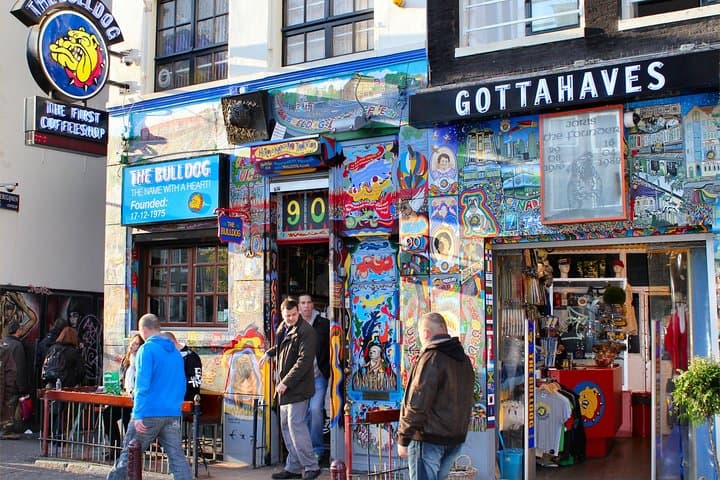
This corner of Amsterdam grew around trade, sailors and guild halls; houses stand on timber piles driven into the sand layer below the clay—an engineering answer to a soft, waterlogged geology that shaped the city's footprint. The tour explains changes in law and social policy that turned prostitution into a regulated profession, and how cafés, smartshops and historic pubs like Int Aepjen survived fires, guilds and city planning.
Expect narrow alleys, dense urban fabric and stories about commerce, religion and regulation. Guides balance history with contemporary realities: why photography of working windows is prohibited, how legalization evolved, and how residents cope with heavy tourism.
Practical edge: wear comfortable shoes for uneven paving, bring a compact rain shell, and plan for public-transport access—the area is best experienced on foot in daylight or early evening with a small group. Keep valuables secure and respect local rules; the most memorable parts are the quiet details between the red lights—church stones, canal reflections and centuries of street-level history.
easy.
2 hours.
Light walking on flat but uneven urban streets; suitable for most people without mobility limitations
The content covers adult topics and the area can be intense—parents should use discretion; the tour’s walking pace is gentle but not specifically tailored for young children.
You may photograph public streets and architecture, but photographing people in working windows is forbidden—guides will remind you of local rules.
The route includes narrow alleys, bridges and uneven cobbles; it is generally not recommended for wheelchair users or people with significant mobility limitations.
Most groups meet near tram stops in the Old Town; use Amsterdam’s tram network or a short walk from central stations—check the booking confirmation for the exact address.
De Wallen grew from a medieval port district clustered around guild squares and the Oude Kerk; many buildings sit on timber piles driven to sand beneath peat and clay. Prostitution was regulated into legality as part of broader Dutch social policy reforms.
The neighborhood faces overtourism pressures—respect privacy rules, support local businesses and follow guidance to minimize noise and litter to help sustain resident life.
Trigger Tours operates guided outdoor trips and adventures with an emphasis on safety, stewardship, and memorable experiences.
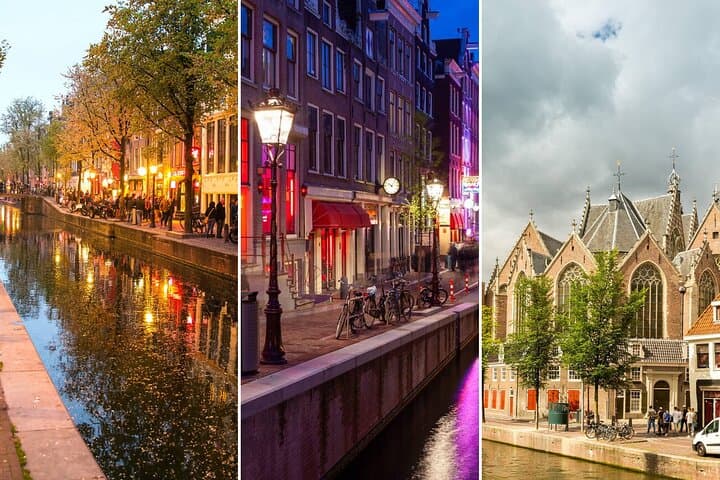

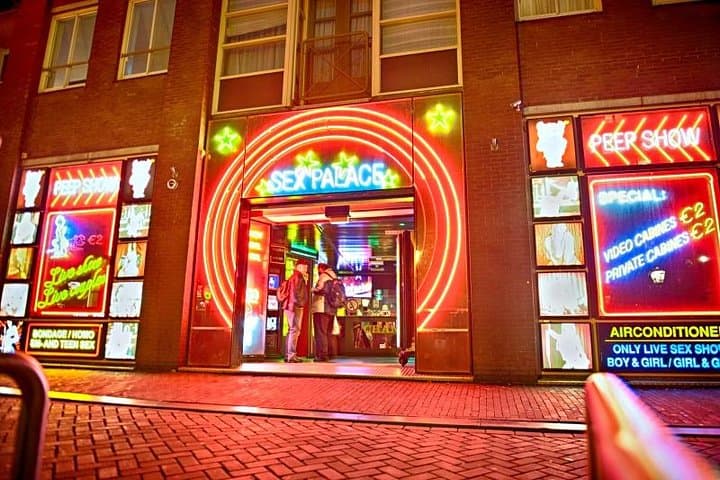
You step off a tram and the city exhales: canals glide like slow conveyors, cobbles hum beneath boots and neon red frames pulse over quiet doorways. The two-hour guided walk threads Zeedijk’s former sailor quarter, slips past Amsterdam’s Chinatown and into De Wallen, where the Old Church rises as the neighborhood’s oldest landmark and the city’s wooden foundations whisper of peat and deep-set sand.
You step off a tram and the city exhales: canals glide like slow conveyors, cobbles hum beneath boots and neon red frames pulse over quiet doorways. The two-hour guided walk threads Zeedijk’s former sailor quarter, slips past Amsterdam’s Chinatown and into De Wallen, where the Old Church rises as the neighborhood’s oldest landmark and the city’s wooden foundations whisper of peat and deep-set sand.
This corner of Amsterdam grew around trade, sailors and guild halls; houses stand on timber piles driven into the sand layer below the clay—an engineering answer to a soft, waterlogged geology that shaped the city's footprint. The tour explains changes in law and social policy that turned prostitution into a regulated profession, and how cafés, smartshops and historic pubs like Int Aepjen survived fires, guilds and city planning.
Expect narrow alleys, dense urban fabric and stories about commerce, religion and regulation. Guides balance history with contemporary realities: why photography of working windows is prohibited, how legalization evolved, and how residents cope with heavy tourism.
Practical edge: wear comfortable shoes for uneven paving, bring a compact rain shell, and plan for public-transport access—the area is best experienced on foot in daylight or early evening with a small group. Keep valuables secure and respect local rules; the most memorable parts are the quiet details between the red lights—church stones, canal reflections and centuries of street-level history.