THE ADVENTURE COLLECTIVE® · Independent discovery and booking for outdoor travel

Walk four hours through Amsterdam’s contrasting neighborhoods with a private guide: from the Red Light District’s narrow alleys to the canals and cafés of the Jordaan. Expect history, social context, and a lively market stop at Albert Cuyp.
Walk four hours through Amsterdam’s contrasting neighborhoods with a private guide: from the Red Light District’s narrow alleys to the canals and cafés of the Jordaan. Expect history, social context, and a lively market stop at Albert Cuyp.
You step out from Amsterdam Centraal and the city greets you on two levels: canals that push you forward and narrow alleys that pull your attention inward. The first hour moves through the Red Light District’s grid of brick and glass, where neon windows sit alongside centuries-old merchant houses and the hum of trams threads the streets.
Verified experiences and guided adventures in the surrounding area.
Operated by Trigger Tours · Amsterdam, North Holland
You step out from Amsterdam Centraal and the city greets you on two levels: canals that push you forward and narrow alleys that pull your attention inward. The first hour moves through the Red Light District’s grid of brick and glass, where neon windows sit alongside centuries-old merchant houses and the hum of trams threads the streets.
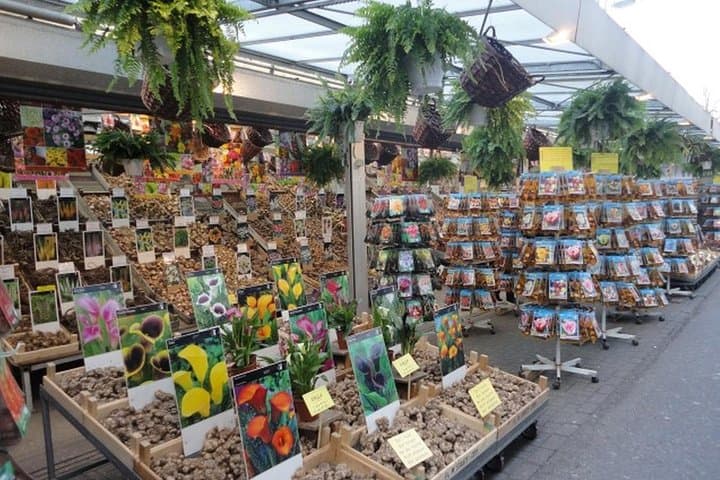
This compact route crosses eras. Amsterdam’s Golden Age canals frame stories of mercantile expansion and urban engineering; the Jordaan was once a working-class quarter carved into a reclaimed polder. Cultural layers are visible everywhere—sacred courtyards like the Begijnhof, wartime memory at the Anne Frank House, and the open-air commerce of Albert Cuyp Market, which still sells stroopwafels and herring from well-practiced stalls.
Geology here is human-made: timber piles, reclaimed peat, and engineered dikes support the city’s grid—expect flat, paved surfaces that can be slick after rain. Local life mixes café terraces, musicians, and grocery vendors. Guides explain Amsterdam’s tolerant policies and the social history behind today’s neighborhoods without glamourizing.
Practical guidance: plan for four hours of walking with frequent stops; bring a charged phone (maps are handy), wear sturdy shoes, and carry a lightweight rain jacket. Be bike-aware—locals move fast—and respect photography rules in the Red Light District. Schedule morning departures to avoid the largest crowds at market and museums, and leave time if you want to queue for the Anne Frank House independently.
This tour is compact and concentrated: a cultural primer that pairs context with on-foot familiarity, best for travelers who want history, policy, and neighborhood texture in a single, walkable package.
easy.
4 hours.
Able to walk 3–5 miles (5–8 km) on flat, paved city streets with frequent stops; minimal elevation.
Meet near Amsterdam Centraal Station; the tour typically ends in the city center (Dam Square or nearby), though your guide can advise on transit options.
The guide will usually stop at the Anne Frank House exterior and provide historical context; entry requires separate timed tickets and is not guaranteed as part of the 4‑hour tour.
Yes—streets are generally stroller-accessible, but expect some cobblestones and crowded sections; the operator notes stroller accessibility for infants and small children.
Photography of individuals in windows is prohibited and considered disrespectful; follow your guide’s instructions and local signage.
The Jordaan began in the 17th century as a working‑class neighborhood carved from reclaimed land; Amsterdam’s ring of canals dates to the Golden Age urban expansion when merchants reshaped the city’s footprint.
High foot traffic and canal litter are ongoing concerns—visit with reusable containers, avoid single‑use plastics, and follow local waste sorting rules to reduce impact.
Trigger Tours operates guided outdoor trips and adventures with an emphasis on safety, stewardship, and memorable experiences.


You step out from Amsterdam Centraal and the city greets you on two levels: canals that push you forward and narrow alleys that pull your attention inward. The first hour moves through the Red Light District’s grid of brick and glass, where neon windows sit alongside centuries-old merchant houses and the hum of trams threads the streets.
You step out from Amsterdam Centraal and the city greets you on two levels: canals that push you forward and narrow alleys that pull your attention inward. The first hour moves through the Red Light District’s grid of brick and glass, where neon windows sit alongside centuries-old merchant houses and the hum of trams threads the streets.
This compact route crosses eras. Amsterdam’s Golden Age canals frame stories of mercantile expansion and urban engineering; the Jordaan was once a working-class quarter carved into a reclaimed polder. Cultural layers are visible everywhere—sacred courtyards like the Begijnhof, wartime memory at the Anne Frank House, and the open-air commerce of Albert Cuyp Market, which still sells stroopwafels and herring from well-practiced stalls.
Geology here is human-made: timber piles, reclaimed peat, and engineered dikes support the city’s grid—expect flat, paved surfaces that can be slick after rain. Local life mixes café terraces, musicians, and grocery vendors. Guides explain Amsterdam’s tolerant policies and the social history behind today’s neighborhoods without glamourizing.
Practical guidance: plan for four hours of walking with frequent stops; bring a charged phone (maps are handy), wear sturdy shoes, and carry a lightweight rain jacket. Be bike-aware—locals move fast—and respect photography rules in the Red Light District. Schedule morning departures to avoid the largest crowds at market and museums, and leave time if you want to queue for the Anne Frank House independently.
This tour is compact and concentrated: a cultural primer that pairs context with on-foot familiarity, best for travelers who want history, policy, and neighborhood texture in a single, walkable package.