THE ADVENTURE COLLECTIVE® · Independent discovery and booking for outdoor travel

Glide away from Central Station on a new electric boat and see Amsterdam’s UNESCO-listed canals with a local skipper. This one-hour, small-group cruise pairs close-up architecture with practical local stories and optional drinks.
Glide away from Central Station on a new electric boat and see Amsterdam’s UNESCO-listed canals with a local skipper. This one-hour, small-group cruise pairs close-up architecture with practical local stories and optional drinks.
Step off the quay in front of Amsterdam Central Station and onto a low-slung electric boat; the city folds toward you in brick gables and glass reflections as the canal pulls you forward. The skipper steers between iron bridges, the Skinny Bridge tipping its age at your side while the Dancing Houses lean like old friends gossiping about the river.
Verified experiences and guided adventures in the surrounding area.
Operated by Eco Boats Amsterdam · Amsterdam, North Holland
Step off the quay in front of Amsterdam Central Station and onto a low-slung electric boat; the city folds toward you in brick gables and glass reflections as the canal pulls you forward. The skipper steers between iron bridges, the Skinny Bridge tipping its age at your side while the Dancing Houses lean like old friends gossiping about the river.
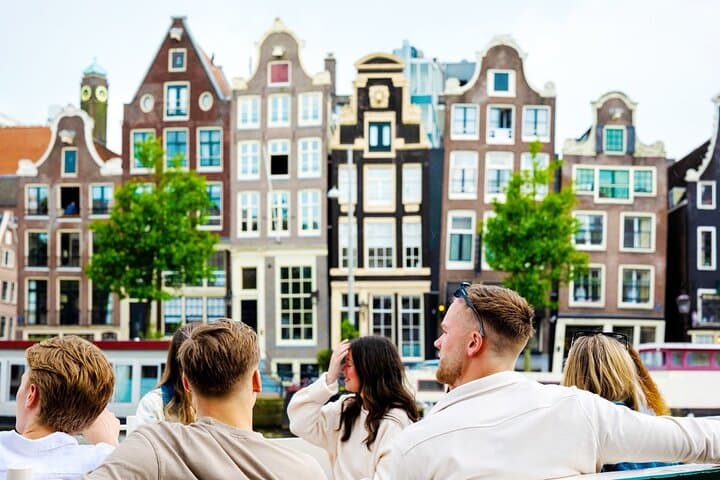
The Canal Belt dates to the 17th-century Golden Age, engineered as a concentric ring of waterways that expanded trade and shaped Amsterdam’s urban grid. The UNESCO-listed canals cut through reclaimed land, their banks lined with merchant houses, houseboats, and facades that quietly record centuries of commerce, religion and migration. Your local skipper fills in human stories — seafaring guilds, the Amstel’s role in the city’s name, and why one street leans more than another.
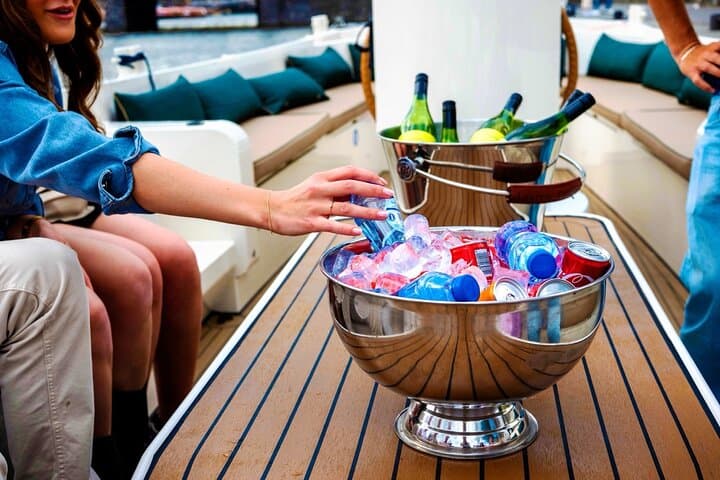
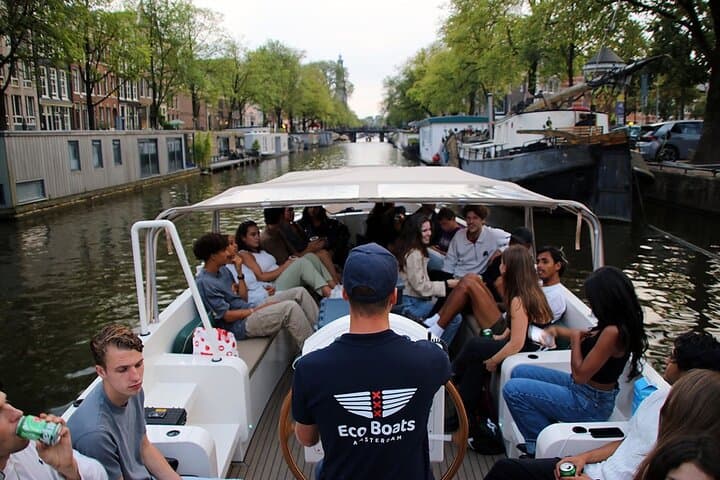
Practical notes land quickly: the trip is an easy, one-hour loop with a maximum of 28 passengers and multilingual digital commentary. Boats are electric and either open or covered depending on the weather, so pack a light windbreaker and sunscreen for summer days or a warm layer for overcast mornings. Drinks are optional — alcoholic beverages require ID — and boarding is directly at Central Station, well served by public transit.
Expect comfortable pacing rather than sightseeing sprints: this is about the steady motion of water, close-up architecture, and a local’s anecdotes. Arrive 10–15 minutes early, keep bags compact, and lean into the breezes — the canals will show you Amsterdam’s history in motion.
easy.
1 hour.
Minimal fitness required; suitable for most travelers who can board a low-step craft
Boarding is directly in front of Amsterdam Central Station; the operator posts clear signage at the quay.
Yes — the skipper speaks English and a complimentary digital booklet is provided in eight languages including Chinese, Spanish, French and Dutch.
Boats can be covered or partially sheltered; the crew decides on the day whether to cruise open or with a canopy and may cancel if conditions are unsafe.
The tour is classified as easy; however, boarding may require a low step and assistance; contact the operator ahead of time to confirm accessibility arrangements.
The 17th-century Canal Belt was engineered during Amsterdam’s Golden Age to regulate water and expand commerce; its concentric canals organized trade and urban growth.
Electric boats reduce local emissions and noise, but visitors should avoid tossing litter or feeding wildlife to protect water quality and bird health.
Eco Boats Amsterdam operates guided outdoor trips and adventures with an emphasis on safety, stewardship, and memorable experiences.
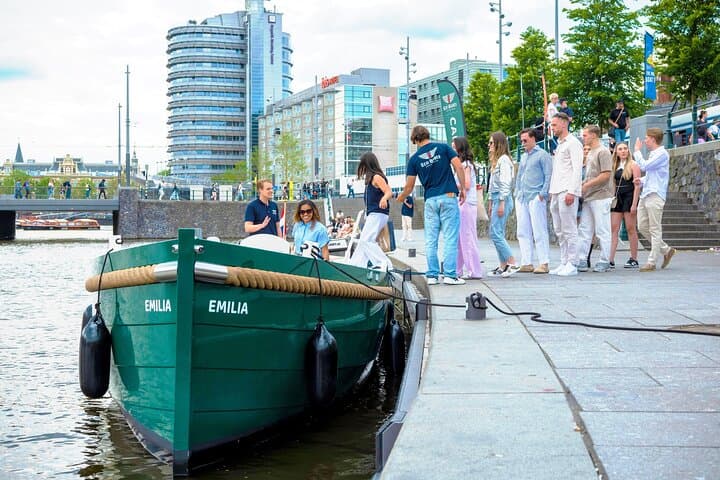
Step off the quay in front of Amsterdam Central Station and onto a low-slung electric boat; the city folds toward you in brick gables and glass reflections as the canal pulls you forward. The skipper steers between iron bridges, the Skinny Bridge tipping its age at your side while the Dancing Houses lean like old friends gossiping about the river.
Step off the quay in front of Amsterdam Central Station and onto a low-slung electric boat; the city folds toward you in brick gables and glass reflections as the canal pulls you forward. The skipper steers between iron bridges, the Skinny Bridge tipping its age at your side while the Dancing Houses lean like old friends gossiping about the river.
The Canal Belt dates to the 17th-century Golden Age, engineered as a concentric ring of waterways that expanded trade and shaped Amsterdam’s urban grid. The UNESCO-listed canals cut through reclaimed land, their banks lined with merchant houses, houseboats, and facades that quietly record centuries of commerce, religion and migration. Your local skipper fills in human stories — seafaring guilds, the Amstel’s role in the city’s name, and why one street leans more than another.
Practical notes land quickly: the trip is an easy, one-hour loop with a maximum of 28 passengers and multilingual digital commentary. Boats are electric and either open or covered depending on the weather, so pack a light windbreaker and sunscreen for summer days or a warm layer for overcast mornings. Drinks are optional — alcoholic beverages require ID — and boarding is directly at Central Station, well served by public transit.
Expect comfortable pacing rather than sightseeing sprints: this is about the steady motion of water, close-up architecture, and a local’s anecdotes. Arrive 10–15 minutes early, keep bags compact, and lean into the breezes — the canals will show you Amsterdam’s history in motion.