THE ADVENTURE COLLECTIVE® · Independent discovery and booking for outdoor travel

Move through Amsterdam’s most iconic corners on a 1¾‑hour guided walk from Beursplein to the Canal Ring. Expect close-up views of Royal Palace, Oude Kerk and Westerkerk plus grounded context on the city’s trade-driven rise.
Move through Amsterdam’s most iconic corners on a 1¾‑hour guided walk from Beursplein to the Canal Ring. Expect close-up views of Royal Palace, Oude Kerk and Westerkerk plus grounded context on the city’s trade-driven rise.
You step off the tram into the breath of the canal district: cool air carrying the faint smell of baked apple from a corner café, cyclists threading between narrow streets, and the canal’s surface catching the city’s shifting light. The guide gathers the group at Beursplein and, within minutes, Amsterdam’s layered history begins to speak — merchants, artists, and reformers shaping a compact metropolis.
Verified experiences and guided adventures in the surrounding area.
Operated by Friendly Local Guides · Amsterdam, North Holland
You step off the tram into the breath of the canal district: cool air carrying the faint smell of baked apple from a corner café, cyclists threading between narrow streets, and the canal’s surface catching the city’s shifting light. The guide gathers the group at Beursplein and, within minutes, Amsterdam’s layered history begins to speak — merchants, artists, and reformers shaping a compact metropolis.
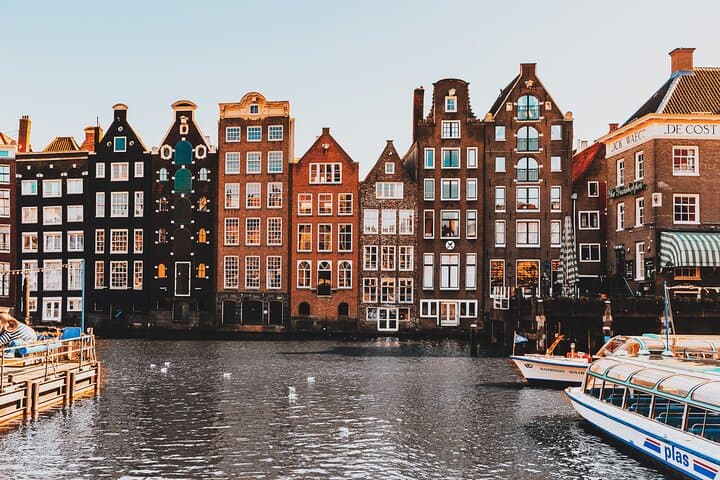
This walk threads Dam Square, the Royal Palace, Oude Kerk and the Canal Ring — the 17th‑century urban plan that made Amsterdam a global trading hub. Expect architectural contrasts: gabled merchant houses, Baroque facades and the plain Protestant lines of early civic buildings. Cultural notes arrive easily — from Anne Frank’s nearby hiding place to the city’s pragmatic approach to tolerance and commerce.
Geology here is subtle: built on peat and driven piles, Amsterdam’s canals are engineered landscapes that allowed the city to expand where the land would otherwise give way. Guides translate that engineering into stories of wealth, naval power and urban reinvention.
Practically, this is a 1¾‑hour walking tour with frequent stops and photo ops rather than a strenuous hike. Comfortable shoes and layered clothing make the difference; bring a small bottle of water and a card for public transport if you plan to continue exploring. The pace suits most travelers with reasonable mobility, and the reward is an informed route through a compact, walkable city where every bridge offers a new angle on history and modern life.
moderate.
1–2 hours.
Suitable for travelers who can stand and walk intermittently for up to two hours; moderate fitness recommended for navigating crowds and uneven pavement.
The guided route is about 1 hour 45 minutes with frequent short stops; total walking distance is roughly 2–3 km on mostly flat, paved streets.
No—this is a walking orientation that passes major sites; entrance fees to attractions like the Oude Kerk or Anne Frank House are not included.
Many streets and canalside areas are flat, but some bridges and cobblestones can be uneven; check with the operator beforehand for specific accessibility needs.
Tours are led in English by local guides and group sizes are typically capped around 10 people to keep the experience interactive.
Amsterdam’s Canal Ring was dug in the 17th century during the Dutch Golden Age to expand the city for trade; many merchant houses date to that era and reflect mercantile wealth.
Heavy tourist traffic pressures historic structures and canals—use marked paths, avoid littering, and support local conservation fees or museum donations when possible.
Friendly Local Guides operates guided outdoor trips and adventures with an emphasis on safety, stewardship, and memorable experiences.
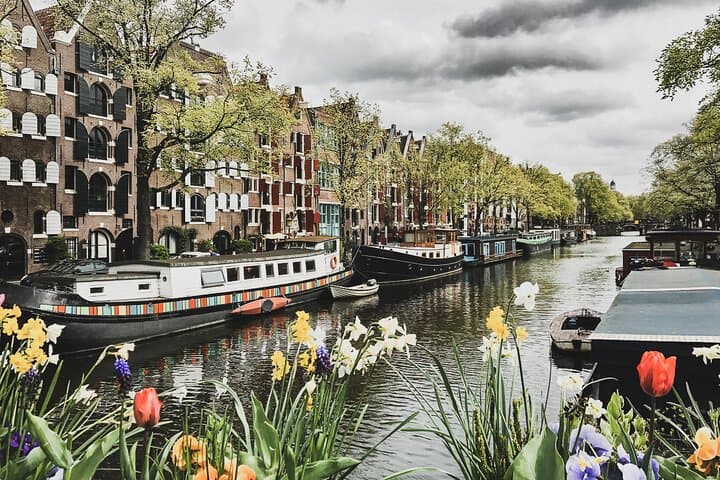
You step off the tram into the breath of the canal district: cool air carrying the faint smell of baked apple from a corner café, cyclists threading between narrow streets, and the canal’s surface catching the city’s shifting light. The guide gathers the group at Beursplein and, within minutes, Amsterdam’s layered history begins to speak — merchants, artists, and reformers shaping a compact metropolis.
You step off the tram into the breath of the canal district: cool air carrying the faint smell of baked apple from a corner café, cyclists threading between narrow streets, and the canal’s surface catching the city’s shifting light. The guide gathers the group at Beursplein and, within minutes, Amsterdam’s layered history begins to speak — merchants, artists, and reformers shaping a compact metropolis.
This walk threads Dam Square, the Royal Palace, Oude Kerk and the Canal Ring — the 17th‑century urban plan that made Amsterdam a global trading hub. Expect architectural contrasts: gabled merchant houses, Baroque facades and the plain Protestant lines of early civic buildings. Cultural notes arrive easily — from Anne Frank’s nearby hiding place to the city’s pragmatic approach to tolerance and commerce.
Geology here is subtle: built on peat and driven piles, Amsterdam’s canals are engineered landscapes that allowed the city to expand where the land would otherwise give way. Guides translate that engineering into stories of wealth, naval power and urban reinvention.
Practically, this is a 1¾‑hour walking tour with frequent stops and photo ops rather than a strenuous hike. Comfortable shoes and layered clothing make the difference; bring a small bottle of water and a card for public transport if you plan to continue exploring. The pace suits most travelers with reasonable mobility, and the reward is an informed route through a compact, walkable city where every bridge offers a new angle on history and modern life.