THE ADVENTURE COLLECTIVE® · Independent discovery and booking for outdoor travel

Glide the Amstel on a 60-minute Flower Boat cruise guided by a local storyteller. See the Golden Bend, Seven Bridges and learn how flowers shaped Amsterdam’s commerce and culture.
Glide the Amstel on a 60-minute Flower Boat cruise guided by a local storyteller. See the Golden Bend, Seven Bridges and learn how flowers shaped Amsterdam’s commerce and culture.
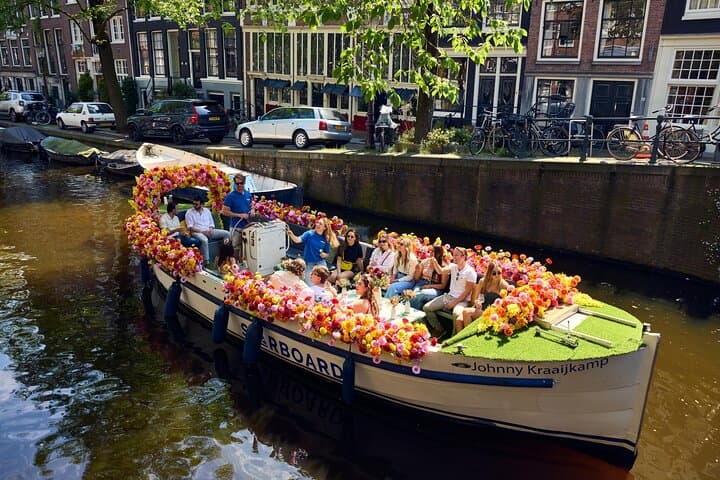
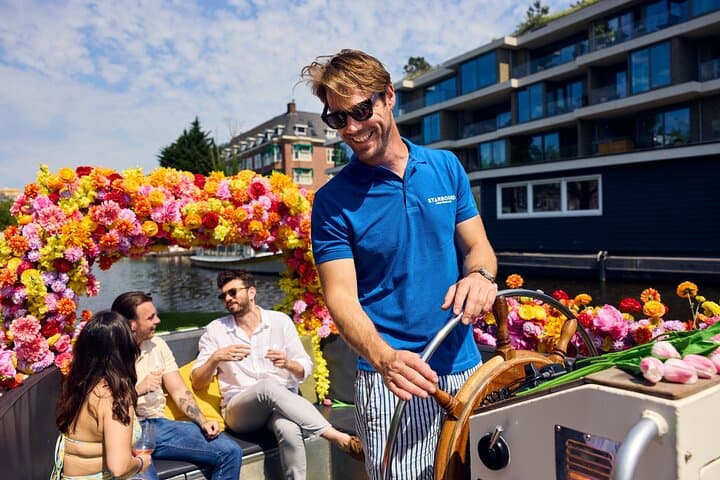
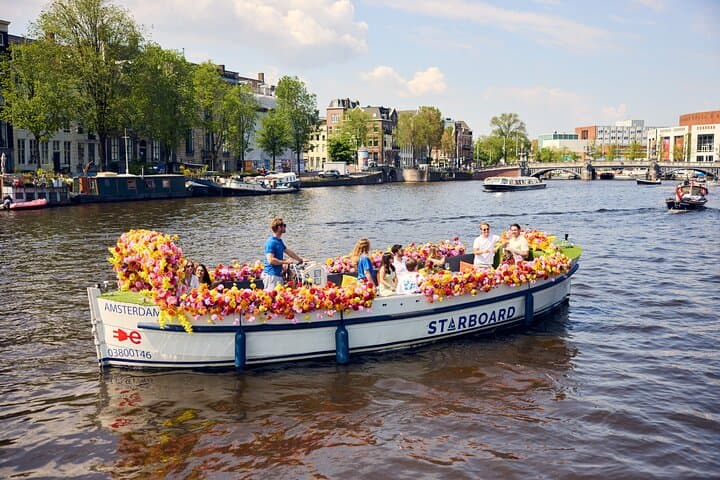
You step aboard a low-slung boat on the Amstel and the city opens differently: brick facades lean over water, bicycles clatter on bridges, and a scent of cut stems drifts from a nearby market. For 60 minutes a local guide steers the narrative—flowers as commerce, status and celebration—while the canals frame stories of trade, art and civic design.
Verified experiences and guided adventures in the surrounding area.
Operated by Starboard Boats · Amsterdam, North Holland
You step aboard a low-slung boat on the Amstel and the city opens differently: brick facades lean over water, bicycles clatter on bridges, and a scent of cut stems drifts from a nearby market. For 60 minutes a local guide steers the narrative—flowers as commerce, status and celebration—while the canals frame stories of trade, art and civic design.
This cruise follows the heart of Amsterdam’s canal belt, originating in the 17th-century Golden Age when the Herengracht and its Golden Bend housed wealthy merchants. The route hits the Seven Bridges, threads under one of the city’s most photographed arches and pauses where the river widens into the Amstel, offering a compact lesson in urban hydrology and historic planning.
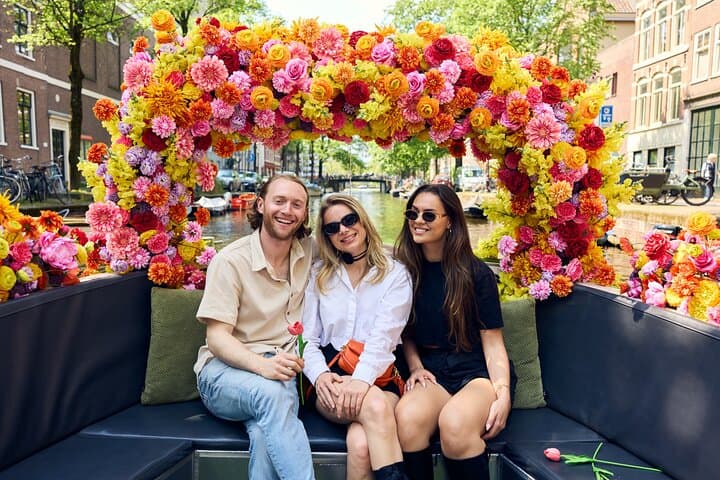
Culturally, tulips are only part of the story: bulbs funded fortunes and botanical curiosity shaped trade routes. The boat itself acts like a floating parlor—intimate, photo-friendly and calm—and the guide ties botanical anecdotes to architecture and local life.
Practical details: the cruise is physically easy and lasts about an hour; boats are low to the water so mind your step when boarding. Bring a wind- and rain-proof layer—weather can change fast—plus a camera and a reusable water bottle. Morning or golden-hour rides yield softer light and smaller crowds; weekends are busiest.
Local etiquette favors quiet observation: keep voices low, don’t lean on railings, and take care disposing of waste. The experience is ideal for anyone wanting an accessible, atmospheric introduction to Amsterdam’s canals, architecture and floral history.
easy.
1 hour.
Suitable for all fitness levels; minimal mobility required for boarding, guests should be able to step up/over a low gunwale.
The tour lasts approximately 60 minutes, starting and ending at the central Amstel boarding point.
Full refunds are available if you cancel at least 24 hours before departure; check the provider policy for exact terms.
Infants must sit on an adult’s lap; the cruise is physically easy but boarding requires stepping over a low gunwale.
Yes — the local guide covers the economic and cultural history of flowers in Amsterdam, including tulip trade and bulb mania.
Amsterdam’s ring of canals was laid out in the 17th century during the Dutch Golden Age as a regulated urban expansion for trade and housing of wealthy merchants.
Canal ecology is sensitive; avoid littering and support operators who follow no-discharge rules to protect water quality and wildlife.
Starboard Boats operates guided outdoor trips and adventures with an emphasis on safety, stewardship, and memorable experiences.
You step aboard a low-slung boat on the Amstel and the city opens differently: brick facades lean over water, bicycles clatter on bridges, and a scent of cut stems drifts from a nearby market. For 60 minutes a local guide steers the narrative—flowers as commerce, status and celebration—while the canals frame stories of trade, art and civic design.
You step aboard a low-slung boat on the Amstel and the city opens differently: brick facades lean over water, bicycles clatter on bridges, and a scent of cut stems drifts from a nearby market. For 60 minutes a local guide steers the narrative—flowers as commerce, status and celebration—while the canals frame stories of trade, art and civic design.
This cruise follows the heart of Amsterdam’s canal belt, originating in the 17th-century Golden Age when the Herengracht and its Golden Bend housed wealthy merchants. The route hits the Seven Bridges, threads under one of the city’s most photographed arches and pauses where the river widens into the Amstel, offering a compact lesson in urban hydrology and historic planning.
Culturally, tulips are only part of the story: bulbs funded fortunes and botanical curiosity shaped trade routes. The boat itself acts like a floating parlor—intimate, photo-friendly and calm—and the guide ties botanical anecdotes to architecture and local life.
Practical details: the cruise is physically easy and lasts about an hour; boats are low to the water so mind your step when boarding. Bring a wind- and rain-proof layer—weather can change fast—plus a camera and a reusable water bottle. Morning or golden-hour rides yield softer light and smaller crowds; weekends are busiest.
Local etiquette favors quiet observation: keep voices low, don’t lean on railings, and take care disposing of waste. The experience is ideal for anyone wanting an accessible, atmospheric introduction to Amsterdam’s canals, architecture and floral history.