THE ADVENTURE COLLECTIVE® · Independent discovery and booking for outdoor travel

Turn Amsterdam into a puzzle: this self-guided e-scavenger hunt starts at Stationsplein and guides small groups through canals, squares and hidden courtyards using the Qula app. Ideal for families or friends who want flexible, walkable exploration with local history woven into each clue.
Turn Amsterdam into a puzzle: this self-guided e-scavenger hunt starts at Stationsplein and guides small groups through canals, squares and hidden courtyards using the Qula app. Ideal for families or friends who want flexible, walkable exploration with local history woven into each clue.
Stand on Stationsplein and the city opens like a map you can touch: trams hum, bikes ripple past, and the first ring of canals cuts reflections into the morning. This is where the Qula City Trail begins — a self-guided scavenger hunt that hands you puzzles instead of a printed guide and asks you to read the city by foot and phone.
Verified experiences and guided adventures in the surrounding area.
Operated by Qula · Amsterdam, North Holland
Stand on Stationsplein and the city opens like a map you can touch: trams hum, bikes ripple past, and the first ring of canals cuts reflections into the morning. This is where the Qula City Trail begins — a self-guided scavenger hunt that hands you puzzles instead of a printed guide and asks you to read the city by foot and phone.
Amsterdam’s street plan is a product of the 17th-century Golden Age: concentric canals, reclaimed peat and Dutch engineering that held back the sea. The stone facades and narrow alleys tell stories of seafaring trade, immigrant communities, and working-class neighborhoods that shaped modern Dutch culture. Geologically, you’ll traverse land reclaimed from marsh and river sediment — expect frequent bridges and subtle shifts between cobbled squares and paved promenades.
The game is practical: download the Qula app, create a login at qula.info/ota, and start at Stationsplein. It’s designed for small groups (2–6) and takes roughly 2–3 hours at a relaxed pace. The route points you toward squares, monuments and quieter courtyards; questions and photo-assignments reward observation rather than speed. Because it’s self-paced you can pause for coffee, detour for a museum, or finish by the river.
Plan for charged phones, a local data plan or reliable Wi‑Fi, and comfortable walking shoes. Travel between 09:00–16:00 to avoid commuter crushes and be mindful of bikes and trams. This is an accessible, low-impact way to explore Amsterdam’s center while learning its history and spotting local life up close.
easy.
2–3 hours.
Suitable for most fitness levels — expect walking on flat city streets and some cobbles for several hours
After booking you’ll receive instructions to create a login at qula.info/ota; go to Stationsplein, launch the Qula app, sign in and begin the trail.
Yes — the central route uses paved surfaces and accessible paths; check specific points if you have mobility concerns.
The trail is available 24/7, but daytime hours are recommended for safety, visibility and open points of interest.
The Qula City Trail is offered in multiple languages including English, Dutch, German, French, Spanish and Italian.
Amsterdam’s canal ring and much of its central architecture date from the 17th-century Dutch Golden Age, when land was reclaimed and trade powered rapid growth.
Respect canal ecology and local residents: avoid littering, don’t feed wildlife, and stick to marked paths and bike lanes to reduce wear on historic streets.
Qula operates guided outdoor trips and adventures with an emphasis on safety, stewardship, and memorable experiences.

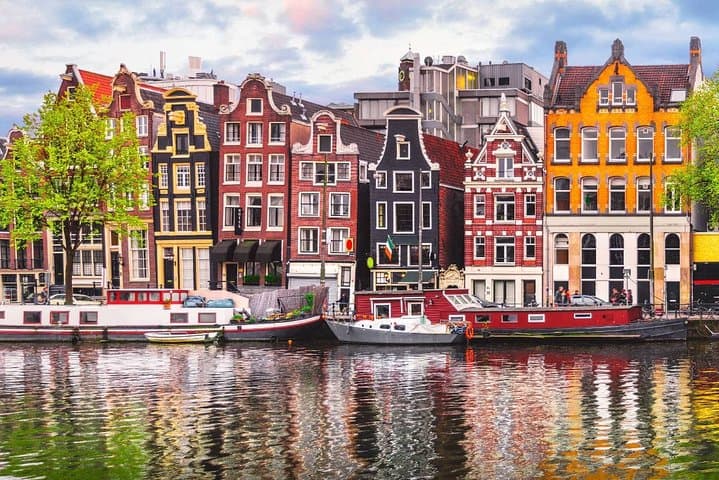


Stand on Stationsplein and the city opens like a map you can touch: trams hum, bikes ripple past, and the first ring of canals cuts reflections into the morning. This is where the Qula City Trail begins — a self-guided scavenger hunt that hands you puzzles instead of a printed guide and asks you to read the city by foot and phone.
Stand on Stationsplein and the city opens like a map you can touch: trams hum, bikes ripple past, and the first ring of canals cuts reflections into the morning. This is where the Qula City Trail begins — a self-guided scavenger hunt that hands you puzzles instead of a printed guide and asks you to read the city by foot and phone.
Amsterdam’s street plan is a product of the 17th-century Golden Age: concentric canals, reclaimed peat and Dutch engineering that held back the sea. The stone facades and narrow alleys tell stories of seafaring trade, immigrant communities, and working-class neighborhoods that shaped modern Dutch culture. Geologically, you’ll traverse land reclaimed from marsh and river sediment — expect frequent bridges and subtle shifts between cobbled squares and paved promenades.
The game is practical: download the Qula app, create a login at qula.info/ota, and start at Stationsplein. It’s designed for small groups (2–6) and takes roughly 2–3 hours at a relaxed pace. The route points you toward squares, monuments and quieter courtyards; questions and photo-assignments reward observation rather than speed. Because it’s self-paced you can pause for coffee, detour for a museum, or finish by the river.
Plan for charged phones, a local data plan or reliable Wi‑Fi, and comfortable walking shoes. Travel between 09:00–16:00 to avoid commuter crushes and be mindful of bikes and trams. This is an accessible, low-impact way to explore Amsterdam’s center while learning its history and spotting local life up close.