THE ADVENTURE COLLECTIVE® · Independent discovery and booking for outdoor travel

Spend a full day outside Amsterdam exploring Keukenhof's tulip displays, historic windmills at Zaanse Schans, and a working Dutch cheese farm—finished with an optional canal cruise. Perfect for photographers and culture-minded travelers who prefer a hassle-free, guided day in the Dutch countryside.
Spend a full day outside Amsterdam exploring Keukenhof's tulip displays, historic windmills at Zaanse Schans, and a working Dutch cheese farm—finished with an optional canal cruise. Perfect for photographers and culture-minded travelers who prefer a hassle-free, guided day in the Dutch countryside.
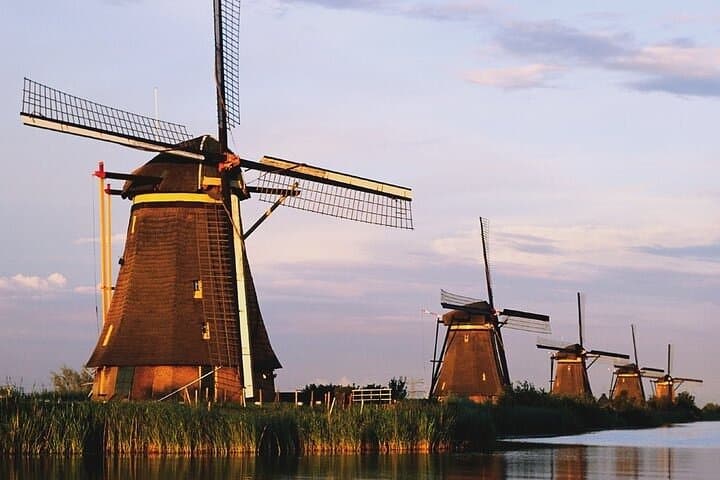
A coach eases out of Amsterdam and the city's brick facades give way to open polder—flat fields that feel like a living map of human design. Wind teases rows of tulips into bands of color; a sail of a windmill turns as if marking time. The tour threads Keukenhof's formal beds, the wooden architecture of Zaanse Schans, a working cheese farm, and an optional canal cruise back through Amsterdam's 17th-century ring.
Verified experiences and guided adventures in the surrounding area.
Operated by Friendly Local Guides · Lisse, South Holland
A coach eases out of Amsterdam and the city's brick facades give way to open polder—flat fields that feel like a living map of human design. Wind teases rows of tulips into bands of color; a sail of a windmill turns as if marking time. The tour threads Keukenhof's formal beds, the wooden architecture of Zaanse Schans, a working cheese farm, and an optional canal cruise back through Amsterdam's 17th-century ring.
Keukenhof is a seasonal showcase born of Dutch bulb culture: seven million bulbs and centuries of selective breeding produce the succession from crocus to daffodil, hyacinth and tulip. Zaanse Schans preserves 18th–19th century milling technology—timbers, gears and grain—set beside the low, watery horizon that shaped Holland's economy and engineering. Local farms speak to a dairy tradition that still shapes foodways and markets; wooden clogs remain a hands-on cultural demo rather than everyday wear.
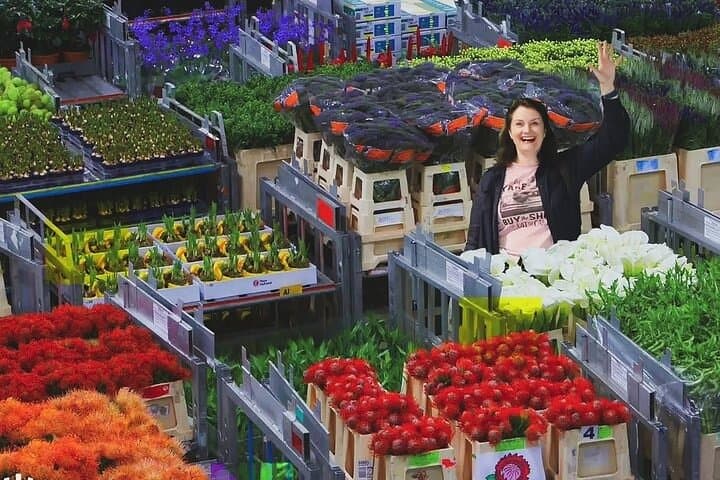
Expect flat, mostly paved walking with short grass paths through display fields; indoors at mills and farms are brief, interpretive stops. Practicalities matter: pick spring for peak blooms (March–May) or accept alternatives like the Aalsmeer auction after mid-May. Bring layered rain protection, comfortable shoes and a small daypack; the day runs about nine hours with multiple short stops and standing-room commentary on the vehicle. Arrive charged—cameras, phones and patience for crowds—and plan for souvenirs: cheese to taste, clogs to watch made, and a canal cruise to close the loop on Dutch water and wind.
This is an easy but full day designed for travelers who want vivid landscapes presented with local context and low technical demand.
easy.
9 hours.
Suitable for most fitness levels; expect several hours of standing and short walks up to a few kilometers cumulatively
Keukenhof's main season runs March through mid-May; after that the tour typically substitutes nearby Aalsmeer flower markets or expanded countryside stops.
A canal cruise is offered as an option—check your booking to confirm whether it is included or available as an add-on on return to Amsterdam.
Check-in is at the designated Grand Cafe meeting point in central Amsterdam—confirm the exact address and arrival time on your voucher.
Yes—activities include short indoor demonstrations, a cheese farm with animals, and easy walking suitable for children and older adults.
Keukenhof began as a 15th-century hunting ground and evolved into a 20th-century showcase of Dutch bulb horticulture; windmills at Zaanse Schans preserve the region's industrial past of sawing, milling and oil pressing.
Stay on marked paths and resist picking bulbs or flowers; bulb fields and wetlands are managed intensively, and visitor pressure during spring requires careful disposal of waste and respect for farm operations.
Friendly Local Guides operates guided outdoor trips and adventures with an emphasis on safety, stewardship, and memorable experiences.


A coach eases out of Amsterdam and the city's brick facades give way to open polder—flat fields that feel like a living map of human design. Wind teases rows of tulips into bands of color; a sail of a windmill turns as if marking time. The tour threads Keukenhof's formal beds, the wooden architecture of Zaanse Schans, a working cheese farm, and an optional canal cruise back through Amsterdam's 17th-century ring.
A coach eases out of Amsterdam and the city's brick facades give way to open polder—flat fields that feel like a living map of human design. Wind teases rows of tulips into bands of color; a sail of a windmill turns as if marking time. The tour threads Keukenhof's formal beds, the wooden architecture of Zaanse Schans, a working cheese farm, and an optional canal cruise back through Amsterdam's 17th-century ring.
Keukenhof is a seasonal showcase born of Dutch bulb culture: seven million bulbs and centuries of selective breeding produce the succession from crocus to daffodil, hyacinth and tulip. Zaanse Schans preserves 18th–19th century milling technology—timbers, gears and grain—set beside the low, watery horizon that shaped Holland's economy and engineering. Local farms speak to a dairy tradition that still shapes foodways and markets; wooden clogs remain a hands-on cultural demo rather than everyday wear.
Expect flat, mostly paved walking with short grass paths through display fields; indoors at mills and farms are brief, interpretive stops. Practicalities matter: pick spring for peak blooms (March–May) or accept alternatives like the Aalsmeer auction after mid-May. Bring layered rain protection, comfortable shoes and a small daypack; the day runs about nine hours with multiple short stops and standing-room commentary on the vehicle. Arrive charged—cameras, phones and patience for crowds—and plan for souvenirs: cheese to taste, clogs to watch made, and a canal cruise to close the loop on Dutch water and wind.
This is an easy but full day designed for travelers who want vivid landscapes presented with local context and low technical demand.