THE ADVENTURE COLLECTIVE® · Independent discovery and booking for outdoor travel

Explore Amsterdam’s coffeeshop culture at your own pace with a GPS-guided mobile walking tour. Learn local history, visit iconic venues, and navigate canal-side streets with practical tips for a safe, respectful experience.
Explore Amsterdam’s coffeeshop culture at your own pace with a GPS-guided mobile walking tour. Learn local history, visit iconic venues, and navigate canal-side streets with practical tips for a safe, respectful experience.
Morning light skims the canal and the city opens like a map under your feet: tram tracks hum, bicycles weave, and the scent of roasted beans mixes with something older in the air. Participants follow a GPS-guided path that threads through narrow alleys and along the original line of the Amstel, pausing at century-old façades and contemporary coffeeshops where the city’s social history is on display.
Verified experiences and guided adventures in the surrounding area.
Operated by Leplace - interactive self-guided app tours · Amsterdam, North Holland
Morning light skims the canal and the city opens like a map under your feet: tram tracks hum, bicycles weave, and the scent of roasted beans mixes with something older in the air. Participants follow a GPS-guided path that threads through narrow alleys and along the original line of the Amstel, pausing at century-old façades and contemporary coffeeshops where the city’s social history is on display.
The route ties present-day culture to Amsterdam’s origins — the city grew where the Amstel met a dam — and to the evolution of Dutch drug policy and social spaces. Stops reference the first regulated coffeeshops of the 1970s, the Hash Marihuana & Hemp Museum’s exhibits on industrial uses of cannabis, and local anecdotes about artists and counterculture that shaped neighborhoods like the Jordaan and De Wallen.
Practical details are straightforward: expect 2–3 hours on foot, roughly 4–6 km on mostly flat, paved streets with occasional cobblestones and canal bridges; elevation gain is negligible. The experience is self-guided via a mobile app (required) and is for 18+ only — bring valid ID. Visitors should respect patrons’ privacy, ask before photographing, and follow local rules: coffeeshop consumption is permitted on premises and personal purchase limits apply.
Timing matters: starting outside peak tourist hours makes for smoother navigation and more authentic stops. Wear comfortable shoes for uneven paving, keep a small bottle of water, and stay alert for bikes and trams. Public transit nodes are nearby if you need to join or leave the tour mid-route. This is an urban cultural walk that pairs storytelling with autonomy — a practical, sensory way to read Amsterdam’s social geography on foot.
easy.
2–3 hours.
Suitable for most people who can walk 4–6 km over paved and cobbled streets; minimal stamina required.
Yes — visits to coffeeshops and any on-site purchases are restricted to people aged 18 and over; bring photo ID.
This is a self-guided mobile experience; the booking provides access instructions and the app, not physical guides or entrance fees.
The tour is designed for 2–3 hours and typically covers about 4–6 km on flat, urban terrain with stops along the way.
Yes — the app allows breaks and resuming later; public transit nearby lets you rejoin the route if needed.
Amsterdam grew where the Amstel met a dam; the city’s coffeeshop culture evolved in the 1970s with regulated spaces for cannabis sales and consumption.
Stay on sidewalks and avoid littering; canal ecosystems are sensitive—discard waste only in bins and prefer venues that practice responsible sourcing.
Leplace - interactive self-guided app tours operates guided outdoor trips and adventures with an emphasis on safety, stewardship, and memorable experiences.
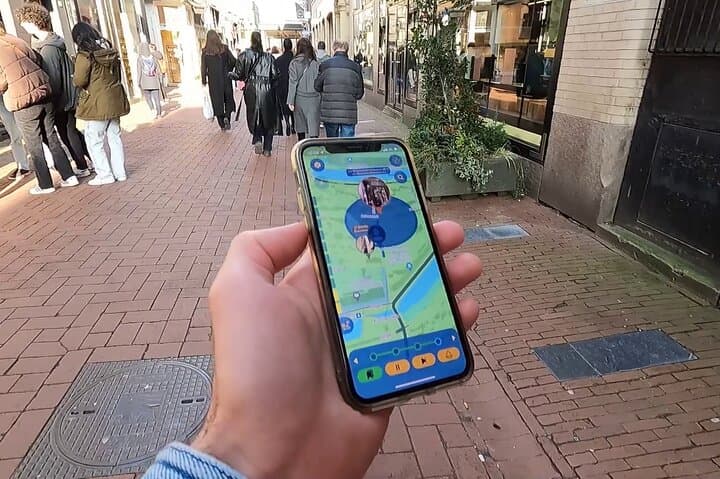
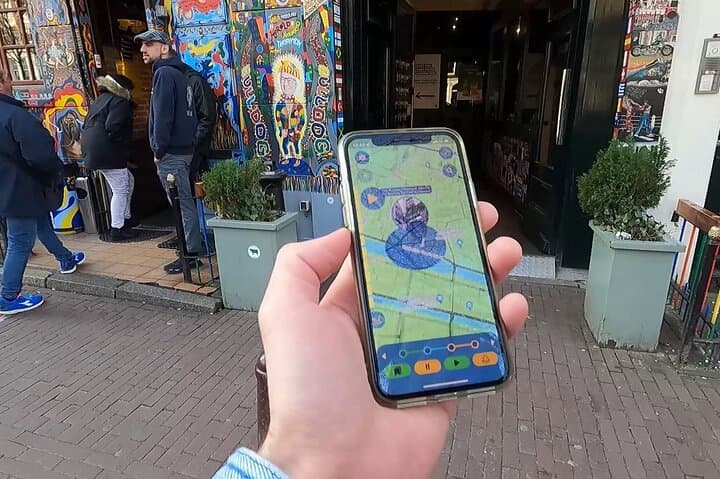
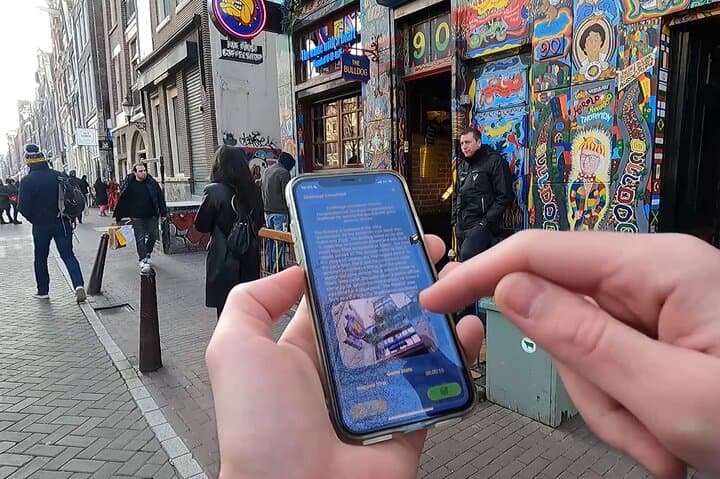
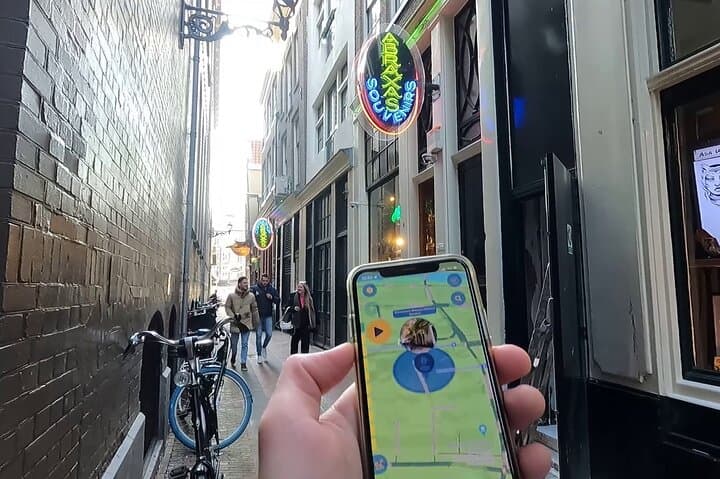
Morning light skims the canal and the city opens like a map under your feet: tram tracks hum, bicycles weave, and the scent of roasted beans mixes with something older in the air. Participants follow a GPS-guided path that threads through narrow alleys and along the original line of the Amstel, pausing at century-old façades and contemporary coffeeshops where the city’s social history is on display.
Morning light skims the canal and the city opens like a map under your feet: tram tracks hum, bicycles weave, and the scent of roasted beans mixes with something older in the air. Participants follow a GPS-guided path that threads through narrow alleys and along the original line of the Amstel, pausing at century-old façades and contemporary coffeeshops where the city’s social history is on display.
The route ties present-day culture to Amsterdam’s origins — the city grew where the Amstel met a dam — and to the evolution of Dutch drug policy and social spaces. Stops reference the first regulated coffeeshops of the 1970s, the Hash Marihuana & Hemp Museum’s exhibits on industrial uses of cannabis, and local anecdotes about artists and counterculture that shaped neighborhoods like the Jordaan and De Wallen.
Practical details are straightforward: expect 2–3 hours on foot, roughly 4–6 km on mostly flat, paved streets with occasional cobblestones and canal bridges; elevation gain is negligible. The experience is self-guided via a mobile app (required) and is for 18+ only — bring valid ID. Visitors should respect patrons’ privacy, ask before photographing, and follow local rules: coffeeshop consumption is permitted on premises and personal purchase limits apply.
Timing matters: starting outside peak tourist hours makes for smoother navigation and more authentic stops. Wear comfortable shoes for uneven paving, keep a small bottle of water, and stay alert for bikes and trams. Public transit nodes are nearby if you need to join or leave the tour mid-route. This is an urban cultural walk that pairs storytelling with autonomy — a practical, sensory way to read Amsterdam’s social geography on foot.