THE ADVENTURE COLLECTIVE® · Independent discovery and booking for outdoor travel

Walk the UNESCO-listed Amsterdam Canal Ring with a private guide to study the city’s canal houses, gables and hidden gardens. This 2.5-hour tour blends architectural history, urban geology and practical local insights for a focused half-day exploration.
Walk the UNESCO-listed Amsterdam Canal Ring with a private guide to study the city’s canal houses, gables and hidden gardens. This 2.5-hour tour blends architectural history, urban geology and practical local insights for a focused half-day exploration.
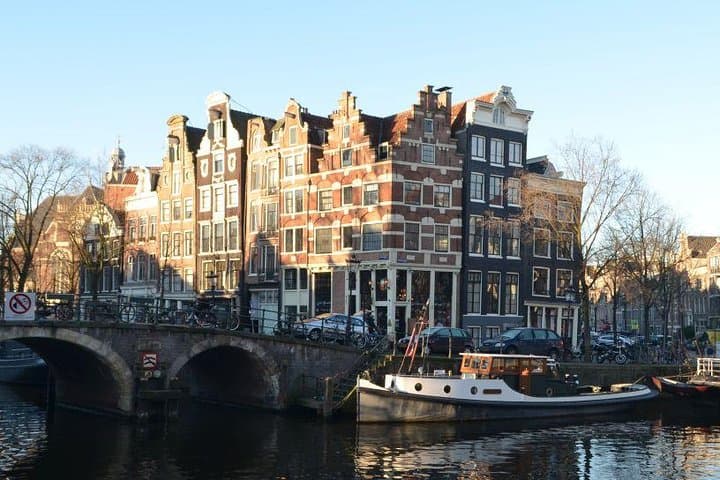
A brisk breath of canal air, the click of bicycle spokes and the slow glide of a barge set the scene as a private guide leads you onto the Brouwersgracht side of Amsterdam’s UNESCO-listed Canal Ring. The walk moves at a measured pace—past narrow gabled facades, rows of plane trees that mark former quays, and canal houses that lean slightly as if listening to the city’s stories.
Verified experiences and guided adventures in the surrounding area.
Operated by Historical Amsterdam Tours · Amsterdam, North Holland
A brisk breath of canal air, the click of bicycle spokes and the slow glide of a barge set the scene as a private guide leads you onto the Brouwersgracht side of Amsterdam’s UNESCO-listed Canal Ring. The walk moves at a measured pace—past narrow gabled facades, rows of plane trees that mark former quays, and canal houses that lean slightly as if listening to the city’s stories.
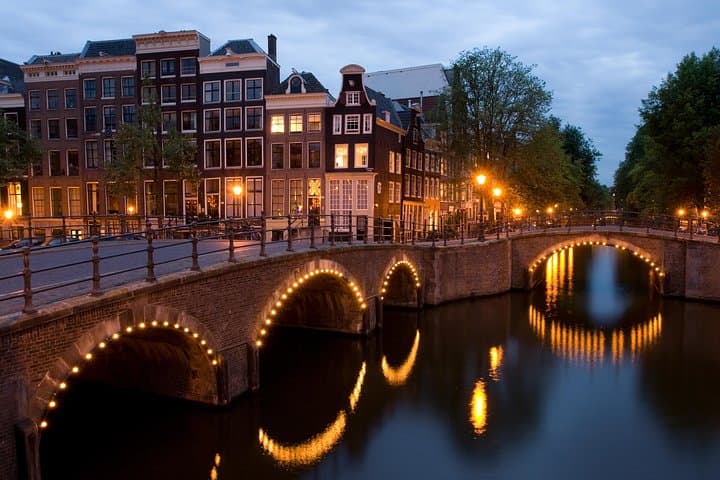
The Canal Ring was laid out during Amsterdam’s 17th-century Golden Age as a pragmatic response to urban growth; its concentric waterways doubled as transport arteries and flood defenses. Geology plays a quiet role here: reclaimed peat and clay required timber piling beneath every foundation, which shaped how buildings were built and constrained their forms. Culturally, the ring reflects mercantile wealth, religious pluralism and urban planning that placed trade and civic order at its core.
Expect a mix of exterior discussion and a short interior visit to one preserved canal house and garden. The guide will explain architectural types—Halsgevel, Neck gable, Dutch Renaissance—point out adaptive reuse (libraries, homes, small museums) and note how the water continues to dictate life along the quays.
Practical guidance: wear supportive shoes for cobbles and occasional steps, carry a compact umbrella, and time your walk for morning or late afternoon to avoid the busiest stretches. Public transport links are nearby and the route begins and ends at the same Brouwersgracht meeting point, making logistics simple for a half-day urban exploration.
moderate.
2–3 hours.
Moderate fitness; able to stand and walk on uneven surfaces for 2–3 hours with short pauses
The private tour lasts about 2.5 hours and covers roughly 2–3 kilometers at a relaxed pace with frequent stops.
Yes—stroller access is generally possible though cobbles can be bumpy; public transport stops are a short walk from the meeting point.
Most private guides for this tour speak English; confirm language preference when booking to ensure a match.
Full refunds are available if you cancel at least 24 hours before the scheduled departure time.
The canal belt was constructed during the 17th-century expansion to organize trade and housing; many canal houses were built as merchant estates whose facades display wealth and civic identity.
Water management and careful preservation of wooden pile foundations are ongoing priorities; visitors are encouraged to stay on paths and avoid feeding wildlife to minimize impact.
Historical Amsterdam Tours operates guided outdoor trips and adventures with an emphasis on safety, stewardship, and memorable experiences.
A brisk breath of canal air, the click of bicycle spokes and the slow glide of a barge set the scene as a private guide leads you onto the Brouwersgracht side of Amsterdam’s UNESCO-listed Canal Ring. The walk moves at a measured pace—past narrow gabled facades, rows of plane trees that mark former quays, and canal houses that lean slightly as if listening to the city’s stories.
A brisk breath of canal air, the click of bicycle spokes and the slow glide of a barge set the scene as a private guide leads you onto the Brouwersgracht side of Amsterdam’s UNESCO-listed Canal Ring. The walk moves at a measured pace—past narrow gabled facades, rows of plane trees that mark former quays, and canal houses that lean slightly as if listening to the city’s stories.
The Canal Ring was laid out during Amsterdam’s 17th-century Golden Age as a pragmatic response to urban growth; its concentric waterways doubled as transport arteries and flood defenses. Geology plays a quiet role here: reclaimed peat and clay required timber piling beneath every foundation, which shaped how buildings were built and constrained their forms. Culturally, the ring reflects mercantile wealth, religious pluralism and urban planning that placed trade and civic order at its core.
Expect a mix of exterior discussion and a short interior visit to one preserved canal house and garden. The guide will explain architectural types—Halsgevel, Neck gable, Dutch Renaissance—point out adaptive reuse (libraries, homes, small museums) and note how the water continues to dictate life along the quays.
Practical guidance: wear supportive shoes for cobbles and occasional steps, carry a compact umbrella, and time your walk for morning or late afternoon to avoid the busiest stretches. Public transport links are nearby and the route begins and ends at the same Brouwersgracht meeting point, making logistics simple for a half-day urban exploration.