THE ADVENTURE COLLECTIVE® · Independent discovery and booking for outdoor travel

Two days that pair Amritsar’s spiritual center with an authentic Punjabi village visit and the dramatic Wagah border ceremony. Expect hands-on cultural exchange, historic sites, and a tractor ride through productive farmland.
Two days that pair Amritsar’s spiritual center with an authentic Punjabi village visit and the dramatic Wagah border ceremony. Expect hands-on cultural exchange, historic sites, and a tractor ride through productive farmland.
Step off the highway and into a different pace: a slick tractor ride through patchwork fields, the wind carrying the metallic clank of farm tools and the smell of freshly cut wheat. On day one the city tightens around you — Heritage Street funnels visitors toward the Golden Temple, where marble floors cool bare feet and the gilded shrine reflects in the sarovar like a still sky. At dusk the Wagah border ceremony cuts the air with drumbeats and precise military choreography; it’s loud, kinetic, and unmissable.
Verified experiences and guided adventures in the surrounding area.
Operated by Discover Punjab Tours · Amritsar, Punjab
Step off the highway and into a different pace: a slick tractor ride through patchwork fields, the wind carrying the metallic clank of farm tools and the smell of freshly cut wheat. On day one the city tightens around you — Heritage Street funnels visitors toward the Golden Temple, where marble floors cool bare feet and the gilded shrine reflects in the sarovar like a still sky. At dusk the Wagah border ceremony cuts the air with drumbeats and precise military choreography; it’s loud, kinetic, and unmissable.
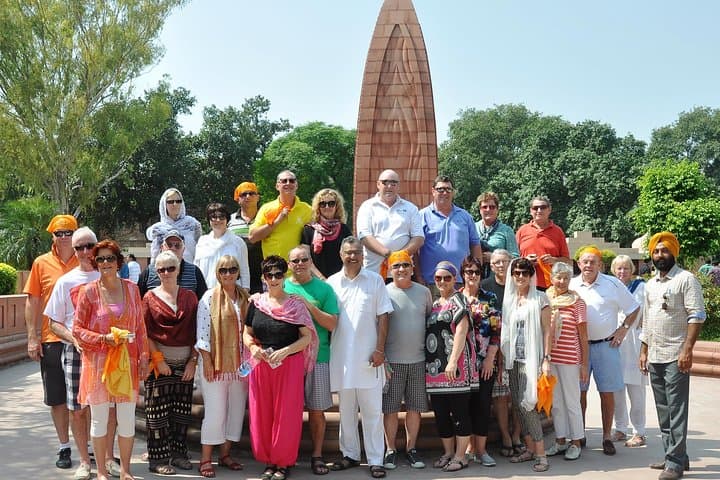
The region’s story is carved by empire and partition: the Jallianwala Bagh memorial and the Partition Museum translate painful 20th-century history into objects and voices. Geologically, the flat alluvial plains of Punjab explain the agricultural wealth you’ll see on day two — irrigated fields, seasonal orchards and the tractors that rule rural logistics.
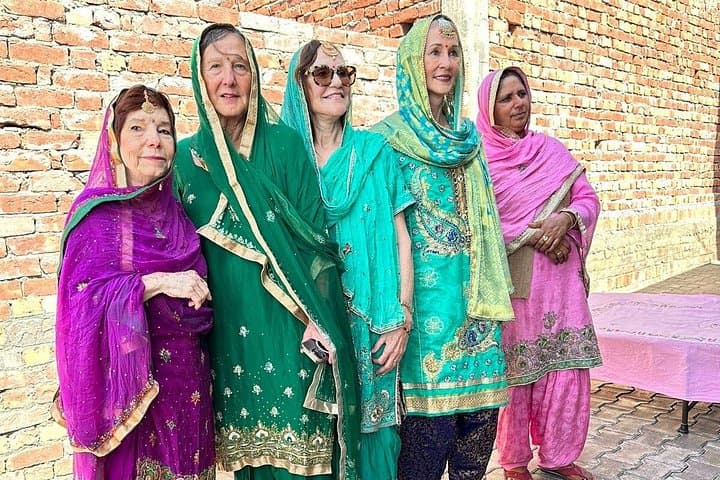
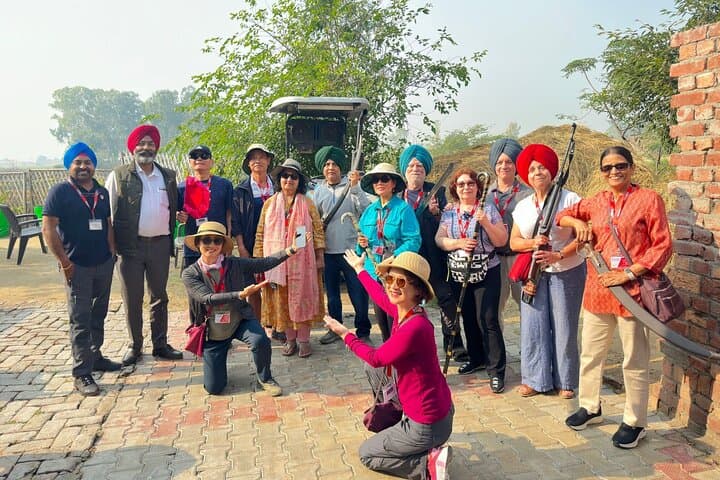
Local culture is hands-on: turban tying, phulkari embroidery, milking cows and a Gatka demonstration give practical windows into village life rather than staged performances. Expect straightforward hospitality — shared tea, a family meal and conversational guides who explain cropping cycles and social structure.
Practical guide: dress modestly for religious sites, remove footwear at the Golden Temple, and allow roughly 90 minutes for the Wagah transfer each way. Bring cash for small purchases in village markets, and plan village activities for the cooler morning hours. Hydrate, wear closed-toe shoes for farm visits, and keep a light layer for evening ceremonies — they move fast, and so should you.
moderate.
2 days.
Participants should have moderate fitness: able to walk on uneven surfaces, climb short tractor steps, and stand through ceremonies.
Admission to the complex is free; the tour includes guided access to Heritage Street and the temple precincts but not any paid private offerings inside the shrine.
The village is typically about 1–1.5 hours from central Amritsar by vehicle, depending on traffic and exact village location.
The itinerary includes a family-style lunch or dinner and tea/coffee; roadside or personal purchases are not included.
The ceremony runs daily, but the tour notes that it may be affected by security measures or low-participant policies; transfers are arranged but attendance cannot be absolutely guaranteed in extraordinary circumstances.
Amritsar’s modern identity centers on the Golden Temple and the scars of 1947 partition — sites like Jallianwala Bagh and the Partition Museum document British-era violence and population upheaval that reshaped Punjab.
Rural Punjab faces water management challenges from intensive irrigation; responsible tours encourage limited water use, proper waste disposal, and support local businesses to sustain livelihoods.
Discover Punjab Tours operates guided outdoor trips and adventures with an emphasis on safety, stewardship, and memorable experiences.
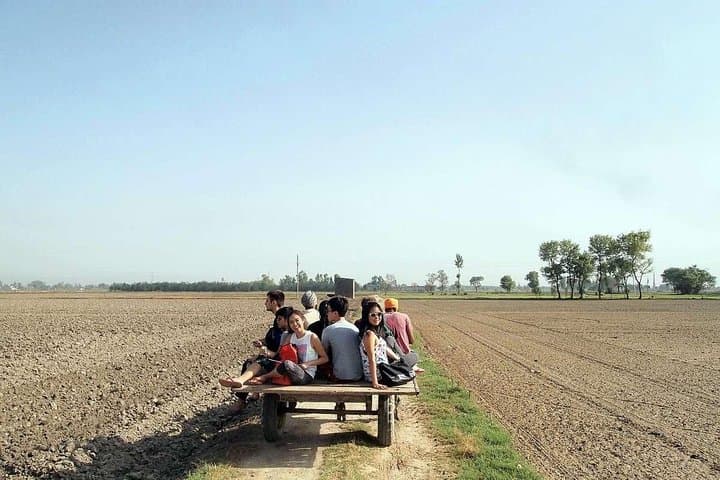
Step off the highway and into a different pace: a slick tractor ride through patchwork fields, the wind carrying the metallic clank of farm tools and the smell of freshly cut wheat. On day one the city tightens around you — Heritage Street funnels visitors toward the Golden Temple, where marble floors cool bare feet and the gilded shrine reflects in the sarovar like a still sky. At dusk the Wagah border ceremony cuts the air with drumbeats and precise military choreography; it’s loud, kinetic, and unmissable.
Step off the highway and into a different pace: a slick tractor ride through patchwork fields, the wind carrying the metallic clank of farm tools and the smell of freshly cut wheat. On day one the city tightens around you — Heritage Street funnels visitors toward the Golden Temple, where marble floors cool bare feet and the gilded shrine reflects in the sarovar like a still sky. At dusk the Wagah border ceremony cuts the air with drumbeats and precise military choreography; it’s loud, kinetic, and unmissable.
The region’s story is carved by empire and partition: the Jallianwala Bagh memorial and the Partition Museum translate painful 20th-century history into objects and voices. Geologically, the flat alluvial plains of Punjab explain the agricultural wealth you’ll see on day two — irrigated fields, seasonal orchards and the tractors that rule rural logistics.
Local culture is hands-on: turban tying, phulkari embroidery, milking cows and a Gatka demonstration give practical windows into village life rather than staged performances. Expect straightforward hospitality — shared tea, a family meal and conversational guides who explain cropping cycles and social structure.
Practical guide: dress modestly for religious sites, remove footwear at the Golden Temple, and allow roughly 90 minutes for the Wagah transfer each way. Bring cash for small purchases in village markets, and plan village activities for the cooler morning hours. Hydrate, wear closed-toe shoes for farm visits, and keep a light layer for evening ceremonies — they move fast, and so should you.