THE ADVENTURE COLLECTIVE® · Independent discovery and booking for outdoor travel

Observe Arctic wolfdogs from secure viewing areas while guides explain wolf behavior, conservation, and the real science behind human–wolf conflicts. This private 90-minute tour near Rovaniemi prioritizes education and respectful observation over interaction.
Observe Arctic wolfdogs from secure viewing areas while guides explain wolf behavior, conservation, and the real science behind human–wolf conflicts. This private 90-minute tour near Rovaniemi prioritizes education and respectful observation over interaction.
A thin Arctic wind tugs at your hood as the sanctuary gate opens and the chorus of low howls carries across snow-dusted paddocks. You stand on a raised viewing platform and watch packs of Arctic wolfdogs move with practiced choreography—nose to flank, ears flicking—anxious and alive in ways that domesticated dogs rarely show. The guide lets history and science fill the space between quiet moments: how wolves shaped northern forests, how hybrid wolfdogs differ behaviorally, and why local landscapes still remember the presence of large predators.
Verified experiences and guided adventures in the surrounding area.
Operated by Arctic Wolfland Sanctuary · Rovaniemi, Lapland
A thin Arctic wind tugs at your hood as the sanctuary gate opens and the chorus of low howls carries across snow-dusted paddocks. You stand on a raised viewing platform and watch packs of Arctic wolfdogs move with practiced choreography—nose to flank, ears flicking—anxious and alive in ways that domesticated dogs rarely show. The guide lets history and science fill the space between quiet moments: how wolves shaped northern forests, how hybrid wolfdogs differ behaviorally, and why local landscapes still remember the presence of large predators.
This area of Lapland sits on post-glacial land where rivers carved low ridges and peatlands hold back the seasons. Wolves and wolf-like dogs appear throughout Finnish folklore and Sami oral history, and the sanctuary frames those stories alongside contemporary conservation science. The visit emphasizes observation and learning rather than contact—photography is from outside enclosures and the talk covers proven data on livestock losses, ecosystem function, and human-wildlife conflict.
Practical guidance: tours run about 90 minutes; dress for exposed viewing platforms—warm layers, windproof outerwear, and solid boots make the difference. Bring a telephoto lens or compact binoculars and a charged camera; flashes and attempts to feed or touch animals are prohibited. Expect straightforward walking on packed gravel or wooden platforms—suitable for most fitness levels but limited shelter in bad weather. This private experience is ideal for wildlife-minded travelers who want a focused, educational encounter with Arctic canid behavior and the conservation issues surrounding them.
easy.
1–1.5 hours.
Minimal fitness required; able to stand and walk short distances on gravel or wooden platforms.
No — this private tour is observation-only; visitors photograph from outside enclosures and must not feed or attempt contact.
Yes — underage persons must be accompanied by a parent or legal guardian, and infants are required to sit on an adult’s lap.
Tours run in most conditions; dress appropriately for cold, rain, or snow. There is limited shelter, so waterproof gear is recommended.
All sales are final per the operator’s policy; there are no refunds for cancellations.
Wolves have long appeared in Finnish and Sami folklore and their populations in Fennoscandia have fluctuated with human settlement, hunting, and later conservation efforts.
The sanctuary focuses on education about wolves’ ecological roles and the impacts of persecution; responsible tourism there supports outreach and animal welfare.
Arctic Wolfland Sanctuary operates guided outdoor trips and adventures with an emphasis on safety, stewardship, and memorable experiences.
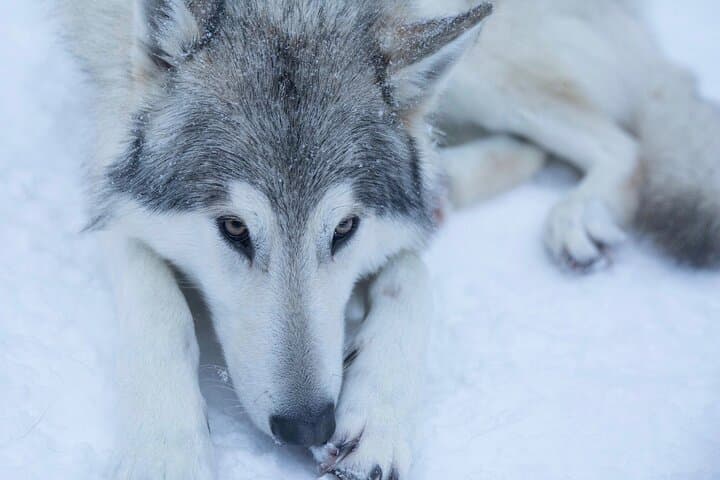
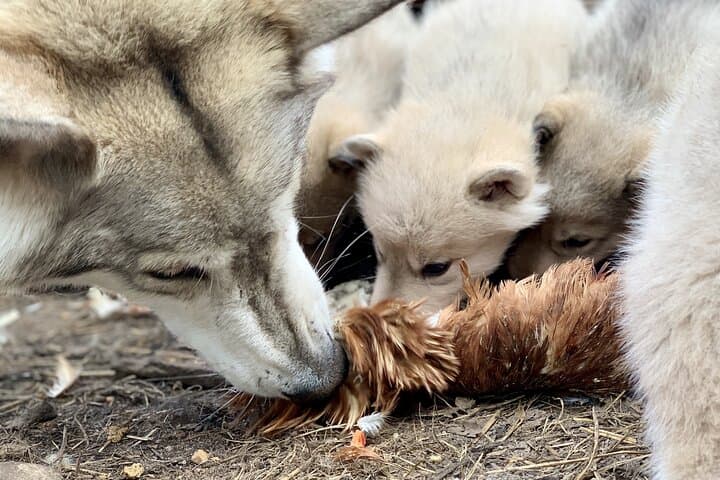
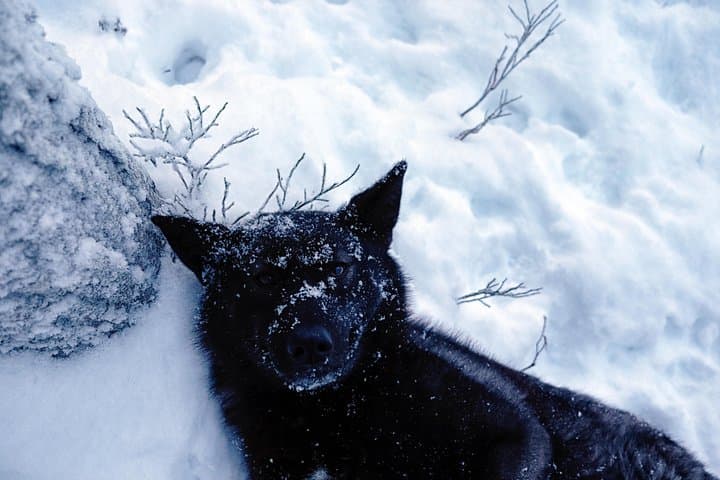
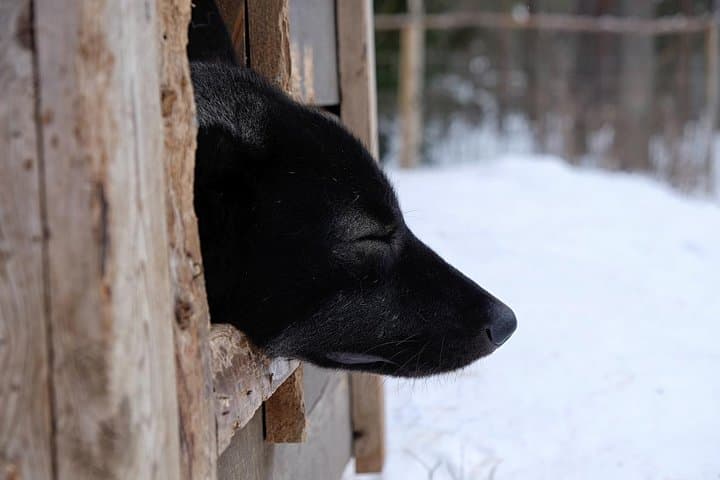
A thin Arctic wind tugs at your hood as the sanctuary gate opens and the chorus of low howls carries across snow-dusted paddocks. You stand on a raised viewing platform and watch packs of Arctic wolfdogs move with practiced choreography—nose to flank, ears flicking—anxious and alive in ways that domesticated dogs rarely show. The guide lets history and science fill the space between quiet moments: how wolves shaped northern forests, how hybrid wolfdogs differ behaviorally, and why local landscapes still remember the presence of large predators.
A thin Arctic wind tugs at your hood as the sanctuary gate opens and the chorus of low howls carries across snow-dusted paddocks. You stand on a raised viewing platform and watch packs of Arctic wolfdogs move with practiced choreography—nose to flank, ears flicking—anxious and alive in ways that domesticated dogs rarely show. The guide lets history and science fill the space between quiet moments: how wolves shaped northern forests, how hybrid wolfdogs differ behaviorally, and why local landscapes still remember the presence of large predators.
This area of Lapland sits on post-glacial land where rivers carved low ridges and peatlands hold back the seasons. Wolves and wolf-like dogs appear throughout Finnish folklore and Sami oral history, and the sanctuary frames those stories alongside contemporary conservation science. The visit emphasizes observation and learning rather than contact—photography is from outside enclosures and the talk covers proven data on livestock losses, ecosystem function, and human-wildlife conflict.
Practical guidance: tours run about 90 minutes; dress for exposed viewing platforms—warm layers, windproof outerwear, and solid boots make the difference. Bring a telephoto lens or compact binoculars and a charged camera; flashes and attempts to feed or touch animals are prohibited. Expect straightforward walking on packed gravel or wooden platforms—suitable for most fitness levels but limited shelter in bad weather. This private experience is ideal for wildlife-minded travelers who want a focused, educational encounter with Arctic canid behavior and the conservation issues surrounding them.