THE ADVENTURE COLLECTIVE® · Independent discovery and booking for outdoor travel

Spend a day moving from Amman’s ancient citadel and Roman theatre to the buoyant waters of the Dead Sea. This full-day tour mixes archaeological highlights with time to float, apply mineral mud, and relax at a seaside resort (optional).
Spend a day moving from Amman’s ancient citadel and Roman theatre to the buoyant waters of the Dead Sea. This full-day tour mixes archaeological highlights with time to float, apply mineral mud, and relax at a seaside resort (optional).
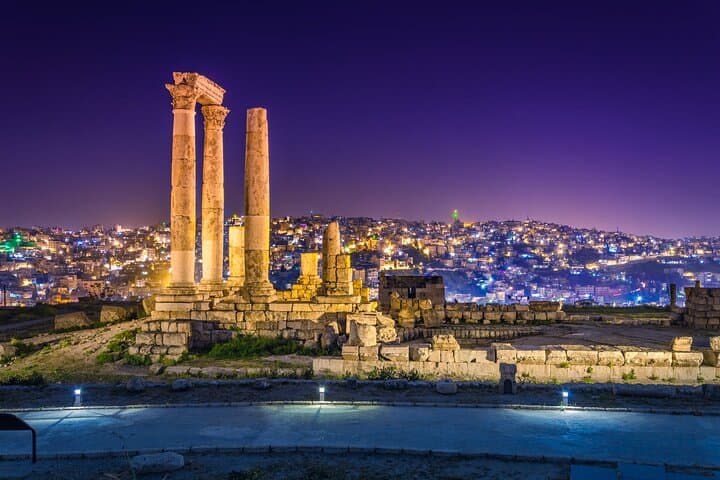
You step out onto one of Amman's limestone hills with the city spread below — limestone blocks and modern concrete rubbing shoulders — and the Jordan Valley already visible toward the west.
Verified experiences and guided adventures in the surrounding area.
Operated by Alamal Travel &Tourism · Amman, Amman Governorate
You step out onto one of Amman's limestone hills with the city spread below — limestone blocks and modern concrete rubbing shoulders — and the Jordan Valley already visible toward the west.
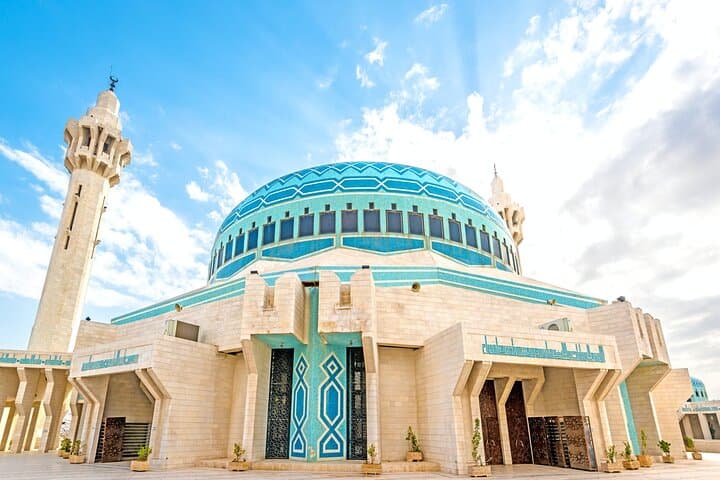
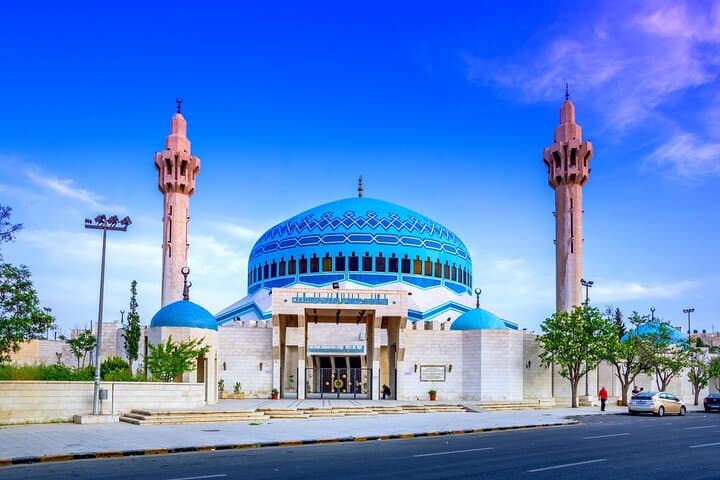
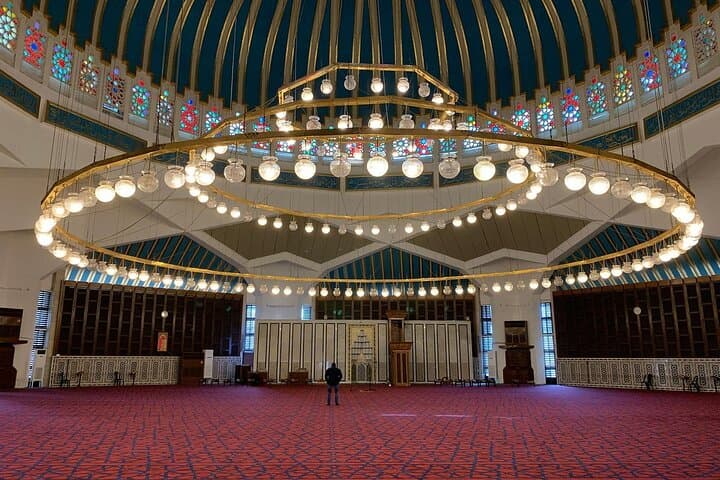
The day moves from urban layers of history to an elemental body of water. Start at the Amman Citadel and Roman Theatre, relics of Roman, Byzantine and Umayyad eras that outline the city’s long role as a crossroads. Architectural fragments — the Temple of Hercules, Umayyad Palace walls — explain centuries of trade and conquest, while the King Abdullah Mosque offers a modern counterpoint in blue tile and marble.
Drive roughly 50 km westward (about 60–90 minutes depending on traffic) and the landscape tilts dramatically: Amman sits around 700–800 m above sea level while the Dead Sea basin lies approximately 430 m below sea level. Geology here is salt and evaporation; the lake’s hypersaline waters make floating effortless and the black mineral mud has local medicinal lore.
Expect a day of easy walking, cultural stops and at least two hours at the Dead Sea for swimming, mud application and a resort lunch if selected. Practical guidance: wear sturdy sandals or shoes for rocky sites, bring a swimsuit, towel, sunscreens and plenty of water. Avoid shaving before Dead Sea bathing, and don’t submerge your head. Morning departures avoid peak heat and congested traffic.
This itinerary pairs urban archaeology with a singular natural phenomenon — efficient, accessible and rooted in Jordanian history and landscape.
easy.
7–8 hours.
Suitable for most fitness levels; involves light walking and short stairs at historical sites and minimal swimming effort at the Dead Sea
Typical drive time is 60–90 minutes depending on traffic and the exact Dead Sea resort; expect roughly 50 km of travel each way.
Swimming and resort access are included only if you select the option that covers Dead Sea resort entry and lunch; otherwise time at the shore may be shorter and without facilities.
Yes — the Dead Sea’s high salinity increases buoyancy, so most people float effortlessly; avoid swallowing water and keep your face out of the water.
Amman’s Roman Theatre and parts of the Citadel have uneven stone and steps; some areas are accessible but others may be difficult for limited mobility — check with the operator for specific assistance or vehicle drop-offs.
Amman’s built fabric preserves Roman, Byzantine and Umayyad layers; the Dead Sea has been a trade and healing resource since antiquity, referenced in biblical and classical sources.
The Dead Sea is receding due to regional water extraction; choose operators that support responsible shoreline use and local community projects.
Alamal Travel &Tourism operates guided outdoor trips and adventures with an emphasis on safety, stewardship, and memorable experiences.
You step out onto one of Amman's limestone hills with the city spread below — limestone blocks and modern concrete rubbing shoulders — and the Jordan Valley already visible toward the west.
You step out onto one of Amman's limestone hills with the city spread below — limestone blocks and modern concrete rubbing shoulders — and the Jordan Valley already visible toward the west.
The day moves from urban layers of history to an elemental body of water. Start at the Amman Citadel and Roman Theatre, relics of Roman, Byzantine and Umayyad eras that outline the city’s long role as a crossroads. Architectural fragments — the Temple of Hercules, Umayyad Palace walls — explain centuries of trade and conquest, while the King Abdullah Mosque offers a modern counterpoint in blue tile and marble.
Drive roughly 50 km westward (about 60–90 minutes depending on traffic) and the landscape tilts dramatically: Amman sits around 700–800 m above sea level while the Dead Sea basin lies approximately 430 m below sea level. Geology here is salt and evaporation; the lake’s hypersaline waters make floating effortless and the black mineral mud has local medicinal lore.
Expect a day of easy walking, cultural stops and at least two hours at the Dead Sea for swimming, mud application and a resort lunch if selected. Practical guidance: wear sturdy sandals or shoes for rocky sites, bring a swimsuit, towel, sunscreens and plenty of water. Avoid shaving before Dead Sea bathing, and don’t submerge your head. Morning departures avoid peak heat and congested traffic.
This itinerary pairs urban archaeology with a singular natural phenomenon — efficient, accessible and rooted in Jordanian history and landscape.